Hurricane Season Readiness and Emergency Response Planning
Improve Hurricane Season Readiness with proven strategies to reduce damage, protect operations, and enhance emergency response before storms threaten.
As the 2026 Atlantic hurricane season approaches, organizations across exposed regions should be reviewing their hurricane season readiness. The Atlantic hurricane season officially runs from June 1 through November 30, with peak activity typically occurring between August and October.
2026 Forecast Snapshot:
~13 named storms
~6 hurricanes
~2 major hurricanes (Category 3+)
11–16 storms possible depending on atmospheric conditions
A developing El Niño pattern may suppress storm activity by increasing wind shear. However, history has consistently shown that seasonal averages are poor predictors of impact. A single landfalling storm—regardless of overall activity—can cause severe property damage, operational disruption, and financial loss.
For perspective, the 2025 season was classified as above normal but produced limited U.S. landfall activity. However, Hurricane Melissa reached Category 5 strength and caused nearly $9 billion of damage in the Caribbean. This reinforces a critical point:
Preparedness should be driven by potential severity—not forecast totals.
For risk managers, facility operators, and business leaders, the focus should not be on seasonal averages, but on readiness, resilience, and response capability. This article provides a comprehensive overview of the 2026 hurricane outlook, along with actionable guidance grounded in proven loss prevention strategies and lessons learned from past events.
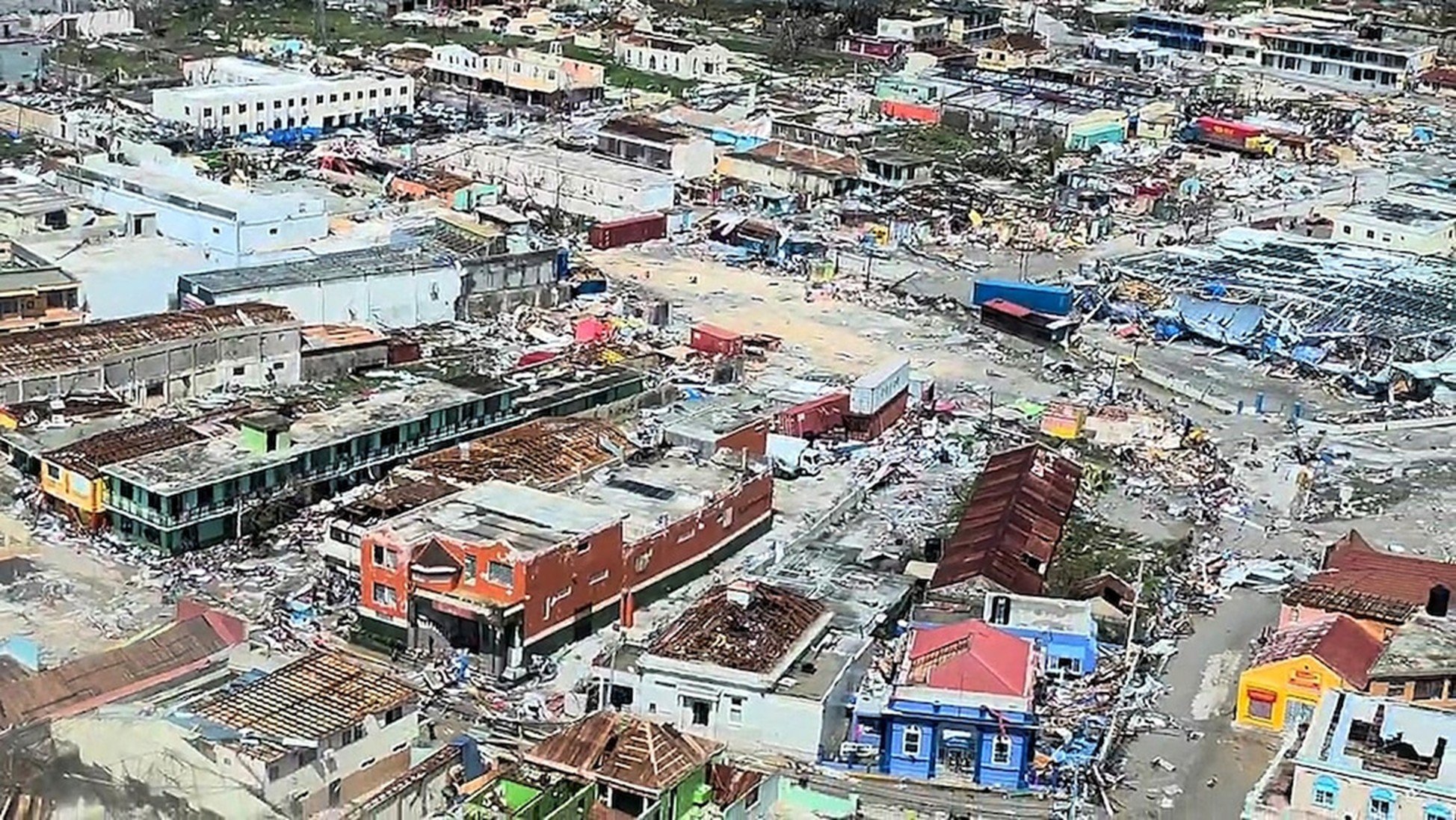 Fig. 1. Category 5 Hurricane Melissa damage in Jamaica (July 2025).
Our November 2022 article explains the development of current wind standards and how risk engineers use them. The figure below is a brief explanation of expected damage based on the hurricane category.
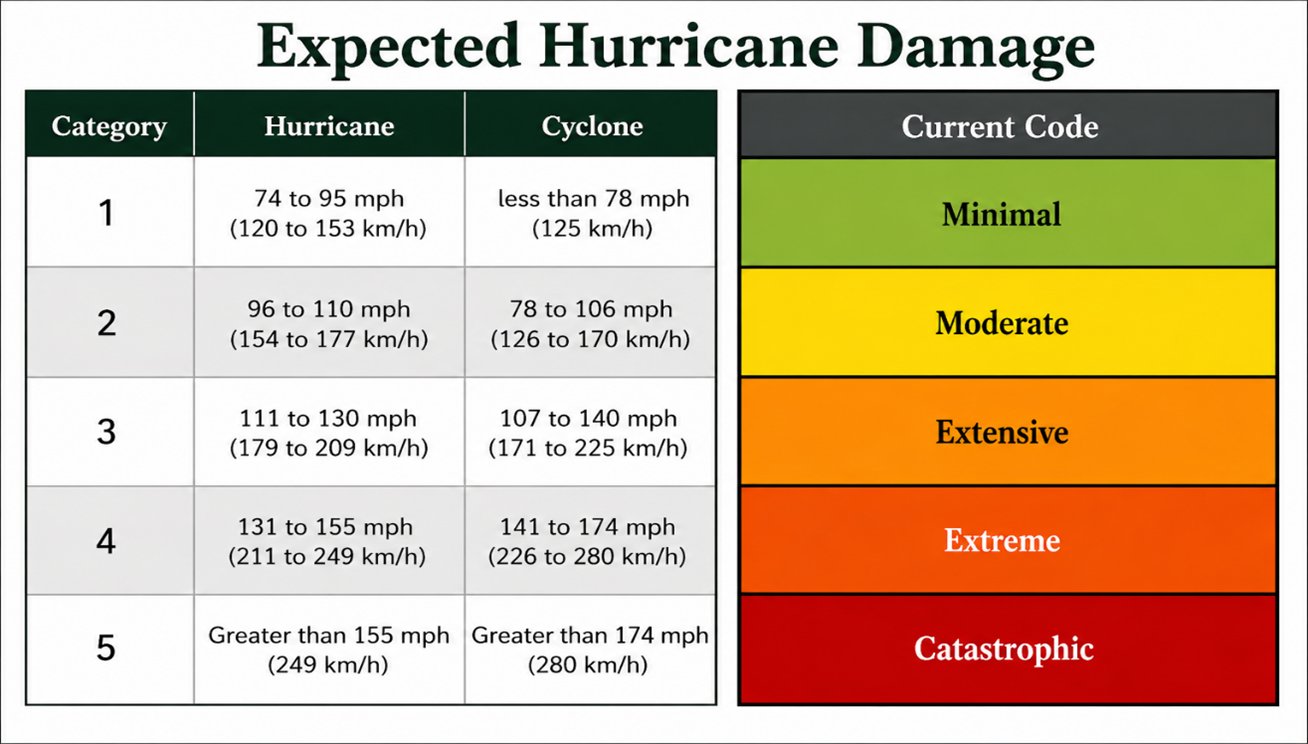 Fig. 2. Expected Hurricane Category Damage levels.
Understanding Hurricane Risk
Hurricanes and severe windstorms are among the leading causes of property loss, second only to fire. These events create multiple hazards:
Damage to structures via high-velocity, extreme winds.
Breach building envelopes with high-impact, wind-borne debris.
Inundate facilities through dangerous storm surges and inland flooding.
Disrupt operations via extended utility and infrastructure outages.
Common Loss Drivers
Water intrusion resulting from roof system failures.
Envelope breaches occurring through broken windows and doors.
Equipment damage caused by the flooding of critical machinery.
Operational downtime triggered by infrastructure damage and business interruption.
The majority of these losses are preventable through proactive planning and disciplined execution.
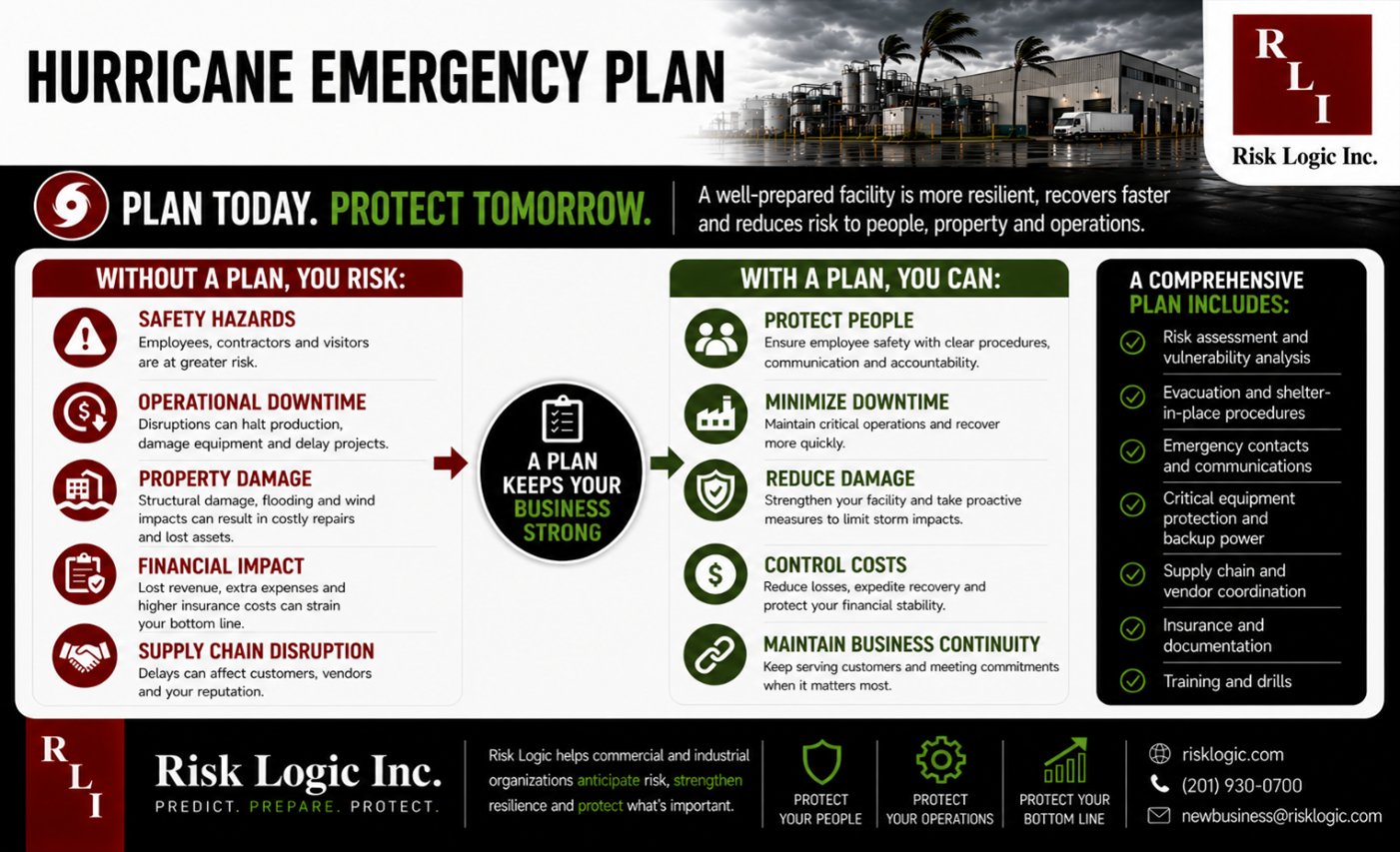
Those with established plans were able to protect critical assets, reduce physical damage, and resume operations more quickly. The difference was not luck, it was planning, timing, and execution. An effective hurricane emergency action plan must be:
Quick: Executable within a defined timeframe, typically beginning 48 hours before landfall.
Simple: Built on clear checklists rather than complex, dense documentation.
Practiced: Validated through regular drills so teams understand timing, roles, and resources.
Adaptable: Maintained as a "living document" that is reviewed annually and updated after major events.
The Hurricane Response Playbook: Prep, Action, and Recovery
Phase 1: Pre-Season Readiness (Building the Foundation)
Effective preseason preparation builds your facility’s "immune system" while the skies are still clear. This foundational phase is structured around four pillars: Leadership, Continuity, Hardening, and Logistics.
Pillar 1: Leadership & Empowering People
Designate Authority: Assign a team leader with absolute authority to initiate the emergency action plan (EAP), shut down operations, and send employees home.
Ensure Redundancy: Staff an alternate leader in case the primary must attend to family, and arrange support for the families of employees remaining on-site.
Weather Intelligence: Designate an employee to monitor weather forecasts at key intervals (72, 48, 24, 12, and 6 hours) to drive data-based decisions.
Muscle Memory: Educate all key personnel on procedures and conduct annual "dry runs" for equipment shutdowns and shutter installations.
Pillar 2: Continuity & Protecting the "Brain"
Data Integrity: Regularly back up critical business data to off-site locations to prevent loss from localized damage.
Redundant Sites: Identify "hot sites" for immediate data processing or "cold sites" for setting up your own equipment.
Business Recovery: Identify a recovery facility where general business operations can resume if the main site is compromised.
Pillar 3: Hardening the Physical Envelope
Building Skin: Inspect and repair roof coverings, edges, windows, and doors months before the season begins.
Fluid Dynamics: Clear rain gutters and test drainage systems and sump pumps to ensure they can handle extreme rainfall.
Vegetation Management: Remove large trees that could fall on buildings, fire pump houses, or power lines.
Defense Kit: Purchase and maintain a stockpile of plywood, shutters, sandbags, and absorbents.
Pillar 4: Logistics & External Support
Vendor Alliances: Maintain ongoing agreements with contractors located outside potential storm areas for post-storm repairs and supplies.
Fuel & Power: Verify emergency power systems and maintain a diesel-driven generator and spare batteries on-site.
Emergency Comms: Arrange for backup communications, such as two-way radios, and identify an off-site hub if the facility becomes dangerous.
Phase 2: The Countdown (Impending Storm)
As a storm approaches, action transitions from planning to time-sensitive execution.
The Hurricane Watch (36 Hours Out)
Trigger Response: A watch indicates hurricane conditions are possible; immediately initiate your EAP and map the storm front.
Structural Defense: Inspect drains and gutters, then anchor all roof-mounted equipment (HVAC, vents) to the roof deck support assembly.
Yard Sweep: Remove loose debris, relocate non-essential equipment indoors, and secure flammable liquid drums.
Anchor Assets: Secure large cranes, brace outdoor signs, and anchor portable buildings or trailers to the ground.
The Hurricane Warning (24 Hours Out)
Finalize Protection: A warning means 74+ mph winds are expected within 24 hours; finish all protective actions and decide on the safest location to shelter.
Utility Shutdowns: Turn off gas lines, protect other flames, and disconnect main electrical feeds to prevent fire from short-circuits.
Resource Readiness: Fill fuel tanks for generators, fire pumps, and company vehicles.
Asset Shielding: Cover machinery and stock with waterproof tarpaulins and move goods off the floor.
Phase 3: Active Response (During the Storm)
During landfall, the priority shifts entirely to the safety of personnel.
Shelter Protocols: Personnel should stay at the facility only if safe and must remain in designated areas away from wind and flood risks.
Surge Warning: Stay away from the ocean, as storm surge is life-threatening.
Internal Monitoring: If safe, patrol the property for roof leaks, pipe breakage, or structural damage.
Power Failure Safety: Turn off electrical switches during a power failure to prevent a dangerous surge when power is restored.
Phase 4: Recovery and Restoration (After the Storm)
Recovery begins once the environment is stabilized and safe to enter.
Hazard Sweep: Survey the site for live wires, leaking gas, poisonous gases, and damage to foundations or underground piping.
Restore Fire Protection: Repair the automatic sprinkler system immediately; get this protection back in service as soon as possible.
Immediate Mitigation: Cover torn roof sections and broken windows immediately to prevent further water damage.
System Integrity: Clean roof drains and visually check all open bus bars and exposed insulators before re-energizing electrical systems.
Conclusion: Resilience is a Choice
Hurricanes are an unavoidable reality of geography, but their impact on your business is entirely within your control. The data is clear: organizations that prioritize early planning, decisive action, and systematic execution consistently experience significantly reduced losses and much faster recovery times.
The 2026 hurricane season is more than a forecast; it is an opportunity to stress-test and strengthen your operational resilience. By adopting a structured approach anchored in disciplined execution and continuous improvement, you aren't just checking off a list—you are actively protecting your people, your assets, and your future.
Contact Risk Logic Inc.
Don't wait for a watch or warning to begin your path to resilience. For expert assistance in developing your Emergency Action Plan, restoring fire protection, or reporting a loss, contact our team today.
Website: risklogic.com
Phone: (201) 930-0700
Email: newbusiness@risklogic.com
Read more in: