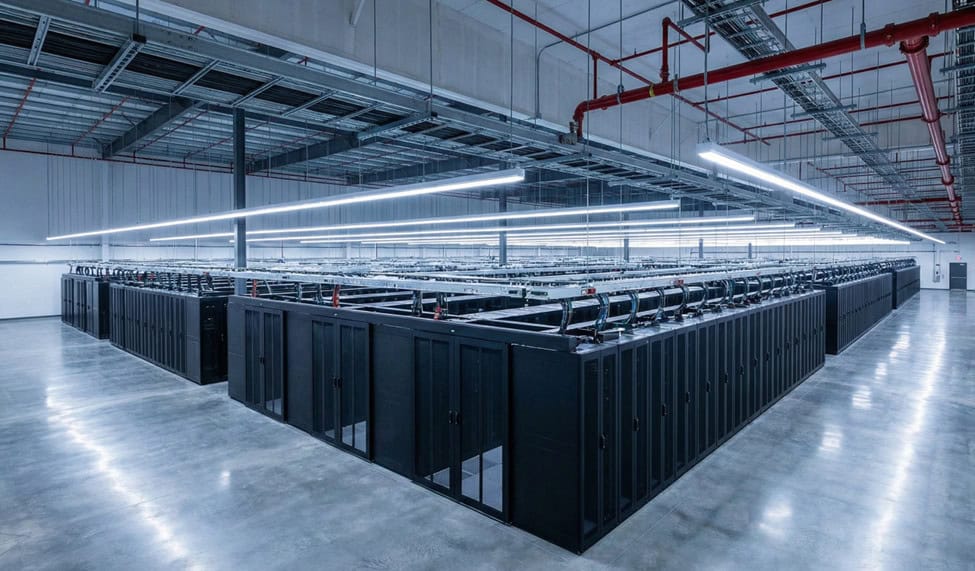
Preventing Freeze Damage in Fire Protection Systems
Winter 2025 Update Every winter, facility owners and risk engineers face the ongoing challenge of preventing freeze damage in their fire protection systems. Despite years of awareness and...
Winter 2025 Update
Every winter, facility owners and risk engineers face the ongoing challenge of preventing freeze damage in their fire protection systems. Despite years of awareness and established industry standards, freeze damage continues to be one of the most common and preventable causes of sprinkler system failures and water damage.
According to FM, freeze-related losses often surpass $200 million each year across insured industrial and commercial facilities. NFPA's Fire Protection Research Foundation states that many of these incidents happen in buildings that are only partly heated or poorly insulated, where sprinkler piping can be exposed to freezing air or drafts.
As winter 2025 approaches, risk managers must ensure that facilities are properly winterized and that fire protection systems remain reliable during extended cold periods. This article reviews key vulnerabilities, applicable NFPA and FM standards, and proven prevention strategies to minimize freeze-related impairments and maintain business continuity.
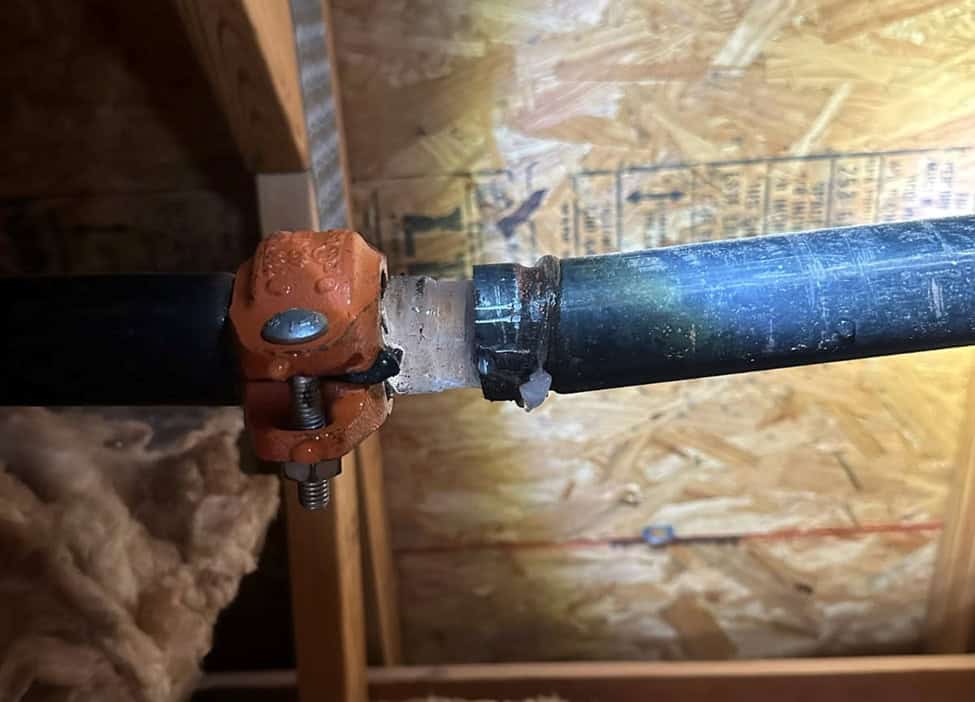
Frozen fire protection piping in poorly insulated attic
Case Study — Alexander Leigh Center for Autism (McHenry, IL – Jan 15, 2024)
It was a cold Monday morning when staff arrived at the Alexander Leigh Center for Autism in McHenry, Illinois, to find water pouring through ceilings and cascading down stairwells. Overnight, sprinkler pipes on the third floor had frozen and burst in two locations, flooding the 40,000-square-foot school that serves children with moderate to severe autism.
The building was heated, or so everyone assumed. But somewhere in the concealed spaces of the 3rd floor, cold air infiltrated through unsealed penetrations or inadequate insulation. The pipes that were supposed to protect lives became the source of catastrophe.
For families, the closure was devastating. The total damage approached $3 million, with insurance falling short and the nonprofit launching a GoFundMe to bridge the gap.
Post-loss recommendations included converting exposed sections to a dry pipe system, adding redundant heaters with temperature alarms, and conducting monthly temperature verification. The lesson: "We're inside, so we're safe" is a dangerous assumption. Upper floors, attics, and concealed spaces don't care about the warmth two floors below.
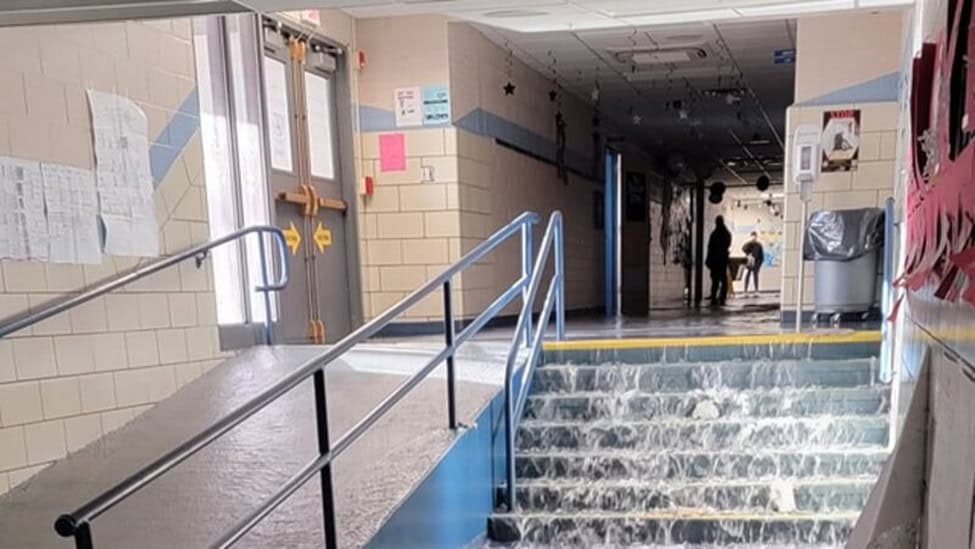
Frozen sprinkler pipes burst overnight, flooding the Alexander Leigh Center for Autism and causing millions in damage to the McHenry school
Fire Protection System Vulnerabilities and Code Requirements
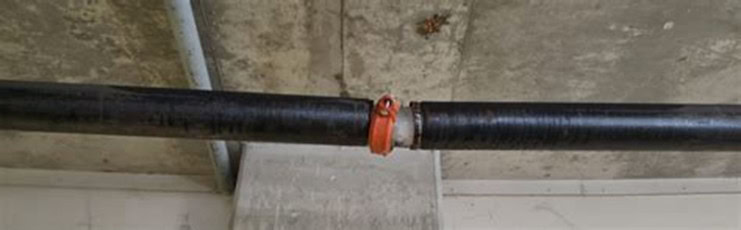
Frozen fire protection piping in parking garage
Wet Pipe Systems in Unheated Spaces
Wet pipe sprinkler systems are the most common and, unsurprisingly, the most vulnerable to freezing. When ambient temperatures fall below 40°F (4°C), water in pipes, fittings, and valves can freeze and expand, leading to ruptures and causing the system to become inoperative.
Common freeze-prone areas include dock canopies, parking garages, attics, concealed spaces, pump houses and riser rooms adjacent to exterior walls, stairwells or vestibules with poor insulation, dry or partially heated warehouses, and building additions or temporary enclosures lacking heating.
NFPA 13 (2025), Section 16.4.1 states that any part of the system exposed to freezing must be a dry-pipe system, a preaction system, or adequately protected against freezing. This freeze prevention can include heating, insulation, or antifreeze. The standard requires using "the average annual extreme minimum temperature, obtained from an approved source" when evaluating freeze risk. Heat loss calculations by a professional engineer are also acceptable if it is verified that the system will not freeze.
FM Data Sheet 2-81 advises ensuring all riser rooms, valve enclosures, and pump houses are maintained at a minimum of 40°F (4°C), while FM Data Sheet 2-0 provides design guidance on insulation and dry system use in cold areas.
Dry and Preaction Systems
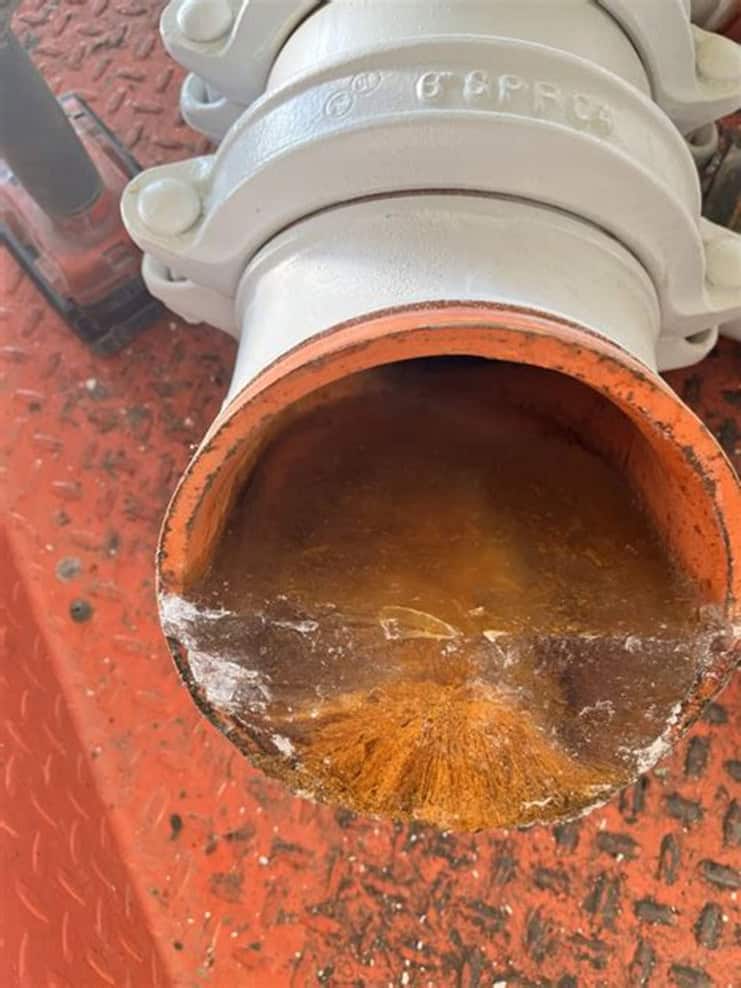
Ice plug in fire protection piping
While designed for cold environments, dry and pre-action systems are not immune to freezing. Trapped water from incomplete drainage or condensation can gather in low points and freeze, leading to pipe damage or air blockages.
NFPA 25 (2023), Section 13.4.5.3.3 requires that low-point drains be drained before the onset of freezing weather and as needed during the heating season. Additionally, supervisory air pressure must be maintained per manufacturer and system design requirements to prevent moisture intrusion. FM recommends air dryers or gaseous media to enhance reliability in dry-pipe and preaction systems.
FM Data Sheet 8-9 notes that grid-type systems are only recommended for wet-pipe and antifreeze systems. Dry and preaction systems should be tree-type designs to facilitate proper drainage and minimize trapped water.
Antifreeze Systems
Antifreeze systems can be an effective option for small, unheated areas such as exterior canopies or loading docks. However, NFPA 13 now restricts the use of antifreeze solutions to those listed for use in sprinkler systems, following a history of flammable mixture concerns.
NFPA 13 (2013) first required that all new antifreeze systems use listed antifreeze solutions. As of September 30, 2022, all systems, including existing installations, are required to have listed antifreeze solutions with known freeze points and demonstrated compatibility with system materials. The use of legacy glycerin or propylene glycol mixtures is now prohibited.
All existing systems must be tested annually in accordance with NFPA 25, Section 5.3.4, to confirm proper concentration and solution quality. Facilities should maintain documentation of these tests, as insurers increasingly review antifreeze compliance records during risk evaluations.
Comprehensive Strategies for Preventing Freeze Damage - Winter 2025
1. Conduct Pre-Winter Comprehensive Inspections (Priority: Critical)
Begin pre-winter inspections by early November to identify potential vulnerabilities before the first freeze. NFPA 25 (2023), Section 4.1.5 requires documented cold-weather readiness inspections that confirm all protection systems are operational.
Your inspection checklist must include:
All building envelope penetrations, expansion joints, and access hatches for drafts and air infiltration
Thermostats and heating devices in riser rooms, fire pump rooms, and valve enclosures for proper operation
Low-point drains on dry and preaction systems for complete drainage
Antifreeze solution testing and replacement as necessary per NFPA 25, Section 5.3.4
Pipe insulation and draft control around exterior walls, roof lines, and window openings
Documentation that heating systems in sprinklered areas have been inspected annually before freezing conditions per NFPA 25, Chapter 4
Even interior risers can freeze when air infiltration or inadequate insulation exists near roof lines or exterior walls. Annual envelope inspections should verify that all penetrations are properly sealed, as infiltration is a major cause of localized freezing.
2. Maintain Adequate and Redundant Heating (Priority: Critical)
Maintain ambient temperatures of at least 40°F (4°C) in all areas containing water-filled piping. Use redundant heat sources in critical areas such as valve rooms and pump houses to prevent a single point of failure.
The Alexander Leigh Center incident demonstrates the danger of assuming that interior spaces remain above freezing. All sprinklered areas, including upper floors, attics, and concealed ceiling cavities, must have verified heating coverage, not just assumed coverage based on building design.
Consider implementing two separate heating systems for critical enclosures. If dual systems are not feasible, ensure that existing heaters are properly maintained, have backup power capability, and are integrated with monitoring systems for immediate failure alerts.
3. Install Temperature Monitoring and Alarm Systems (Priority: High)
Temperature alarms integrated with building management or fire alarm systems provide the earliest warning of freeze risk. NFPA 72 (2025), Section 14.4.3.2, addresses temperature monitoring in fire protection applications, while FM Data Sheet 2-81, Section 2.5, recommends temperature monitoring in vulnerable areas.
Modern facilities increasingly use IoT-based temperature sensors for early detection. Wireless sensors installed at vulnerable locations (valve rooms, attic spaces, pump rooms, exterior walls) can send alerts to facility managers when temperatures approach 40°F.
For educational, nonprofit, or mission-critical occupancies with limited after-hours staff, remote alerts are essential for rapid response. The Alexander Leigh Center loss highlights how facilities that cannot quickly respond to after-hours emergencies face exponentially higher damage costs. Integrate sensors into existing fire alarm or building management systems for automatic notifications to multiple responsible parties.
Create a log or digital record of temperature readings in critical sprinklered zones throughout winter. Trending data helps detect degradation in heating performance over time and provides documentation during insurer audits or NFPA 25 compliance reviews.
4. Properly Insulate and Seal Exposed Components (Priority: High)
Proper insulation around piping, walls, and ceilings reduces the risk of cold spots. Insulation should be rated for both thermal performance and moisture resistance and installed in accordance with ASTM C547.
Ensure all exterior doors, dock seals, roof vents, and wall penetrations are weather-tight. Pay particular attention to areas where piping runs near building exteriors or passes through unheated spaces. Even small draft sources can create localized freeze conditions in otherwise heated spaces.
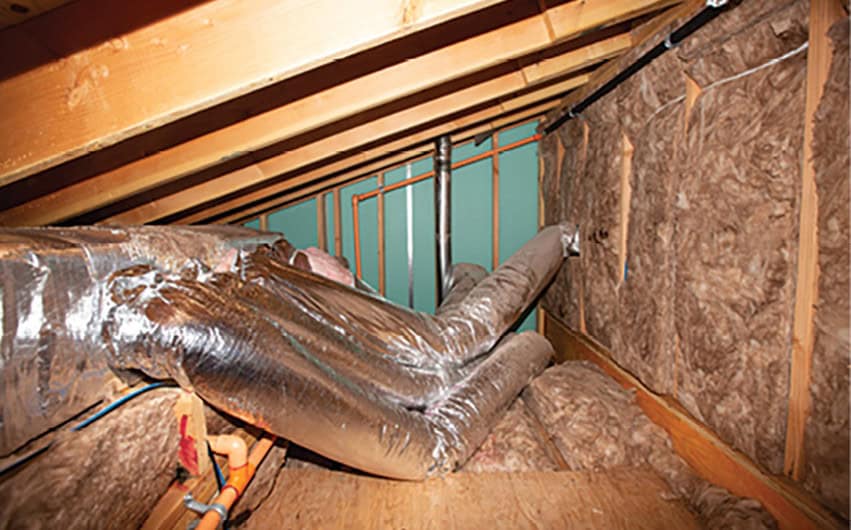
Proper insulation around piping, walls, and ceilings reduces the risk of cold spots
5. Develop and Test Emergency Response Procedures (Priority: High)
If a freeze event is suspected, immediately follow impairment handling procedures outlined in NFPA 25, Chapter 15 and FM Data Sheet 10-7:
Notify the fire department and insurance carrier
Implement fire watch procedures if the system is out of service
Expedite thawing and repairs using approved methods
Document and report all corrective actions
Facilities should have a pre-approved impairment plan that identifies responsibilities, emergency contacts, and response timelines. The $3 million loss at Alexander Leigh Center demonstrates the secondary impact of water damage and business interruption. Pre-identify contractors for emergency dry-out, test communication plans regularly, and maintain temporary operations strategies to reduce downtime per FM Data Sheet 10-5.
6. Perform Post-Freeze System Verification (Priority: Medium)
After any suspected freeze event, the system must be thoroughly inspected and tested before being returned to service:
Verify that all valves and gauges function correctly
Check for hidden leaks, cracked fittings, or compromised pipe integrity
Conduct a main drain test to confirm flow and pressure integrity
Document all findings and repairs for compliance records
Even if no obvious damage is visible, micro-cracks or weakened joints may have occurred during the freeze-thaw cycle. A comprehensive post-event inspection prevents delayed failures that could occur weeks after the initial freeze event.
Emerging Technologies for Enhanced Freeze Protection
Smart Temperature Sensors and Predictive Analytics
Wireless battery-powered sensors can continuously monitor pipe temperatures and ambient conditions. These systems often integrate with cloud-based dashboards that alert staff to developing freeze conditions in real time. Advanced systems use predictive maintenance analytics to trend temperature patterns and predict freeze risk before it occurs, detecting anomalies such as slow heat loss or uneven heating distribution that prompt preemptive maintenance.
Self-Regulating Heat Trace Systems
Heat trace cabling installed along sprinkler piping provides consistent, low-level heating. Newer self-regulating types adjust power output based on ambient temperature, reducing energy waste and minimizing overheating risk. These systems should be installed in compliance with UL 515 and FM Approval Standard 3770. Heat tracing is particularly effective for exposed piping in dock canopies, parking structures, and other areas where traditional heating is impractical.
Remote Impairment Monitoring
FM and several major insurers now support integrating remote impairment dashboards that monitor valve positions, supervisory signals, and ambient conditions. This enables 24/7 oversight of critical protection systems during severe weather events, allowing risk managers to track system status across multiple facilities from a central location.
Winter 2025 Implementation Checklist

Ensure you are ready with a Winter Implementation Checklist
Before December 1, 2025:
Complete comprehensive pre-winter inspection per NFPA 25 (2023), Section 4.1.2
Drain all low-point drains on dry and preaction systems
Test all antifreeze solutions and replace as needed
Verify heating systems are operational in all sprinklered spaces
Confirm temperature monitoring and alarms are functional
Review and update the impairment response plan with current contacts
Verify building envelope sealed against drafts
Document all inspections and testing for compliance records
Monthly during freeze season:
Verify heating system operation in critical areas
Review temperature monitoring logs for trends
Inspect high-risk areas for ice formation or drafts
Test alarm notification systems
After any freeze event:
Inspect entire system for damage
Document findings and corrective actions
Notify insurer of any impairments
Summary
Preventing freeze damage to fire protection systems remains an ongoing concern for industrial and commercial facilities. Despite established codes and years of experience, winter losses still occur due to insufficient heating, inadequate inspection, or failure to adhere to proper maintenance practices. The Alexander Leigh Center case study demonstrates that even well-intentioned facility operators can experience catastrophic losses when heating systems fail or when freeze vulnerabilities go undetected.
Following NFPA 13, NFPA 25, and FM Data Sheets helps facilities reduce freeze-related losses. The 2025 winter season is an opportunity to adopt advanced monitoring technologies, verify existing protections, and strengthen impairment management procedures. The cost of prevention, whether through additional sensors, redundant heating, or improved inspection protocols, is minimal compared to the multi-million-dollar losses that can result from a single freeze event.
Contact Risk Logic today for a comprehensive, highly protected risk (HPR) survey of your facility. Our standard survey covers all natural hazard perils, including the freeze hazard.
Key Takeaways
Maintain temperatures above 40°F (4°C) in all water-filled system areas
Conduct documented pre-winter inspections in early November
Install temperature monitoring and alarm systems with remote alerting capability
Use redundant heating in critical areas to prevent single-point failures
Review and test impairment response plans before cold weather arrives
Consider emerging technologies such as IoT monitoring and heat tracing
Never assume interior spaces are safe from freezing without verification
Document all inspections, testing, and temperature readings for compliance
References
ASTM C547 – Standard Specification for Mineral Fiber Pipe Insulation.
FM Property Loss Prevention Data Sheet 2-0 – Installation Guidelines for Automatic Sprinklers.
FM Property Loss Prevention Data Sheet 2-81 – Fire Protection System Inspection, Testing, and Maintenance.
FM Property Loss Prevention Data Sheet 8-9 – Storage of Class 1, 2, 3, 4 and Plastic Commodities
FM Property Loss Prevention Data Sheet 10-5 – Disaster Recovery Planning.
FM Property Loss Prevention Data Sheet 10-7 – Fire Protection Impairment Management.
FM Approval Standard 3770 – Electrical Heat Tracing
NFPA 13 – Standard for the Installation of Sprinkler Systems, 2025 Edition.
NFPA 25 – Standard for the Inspection, Testing, and Maintenance of Water-Based Fire Protection Systems, 2023 Edition.
NFPA 72 – National Fire Alarm and Signaling Code┬«, 2025 Edition.
UL 515 – Standard for Electrical Resistance Trace Heating for Commercial Applications.
Read more in: