Belleville Mattress Warehouse Fire Highlights Risks of High-Fuel-Load Storage
Understand the Risks of High-Fuel-Load Storage through lessons from a Belleville, NJ fire and learn how better protection can prevent large‑loss events.
A multi-alarm warehouse fire in Belleville, New Jersey, on May 3, 2026, rapidly escalated into a block-wide loss event, destroying multiple commercial structures and forcing evacuations throughout the surrounding area. The fire, which highlights the risks of high-fuel-load storage, reportedly originated in a mattress warehouse before spreading to adjacent occupancies, including a cardboard storage facility and nearby buildings.
Fire departments from across the region responded as the incident escalated to 12 to 14 alarms. Strong wind conditions, heavy combustible loading, and exposure hazards contributed to rapid fire spread and prolonged firefighting operations. The Belleville mattress warehouse fire underscores the property risks associated with high-fuel-load storage occupancies and closely spaced industrial structures.
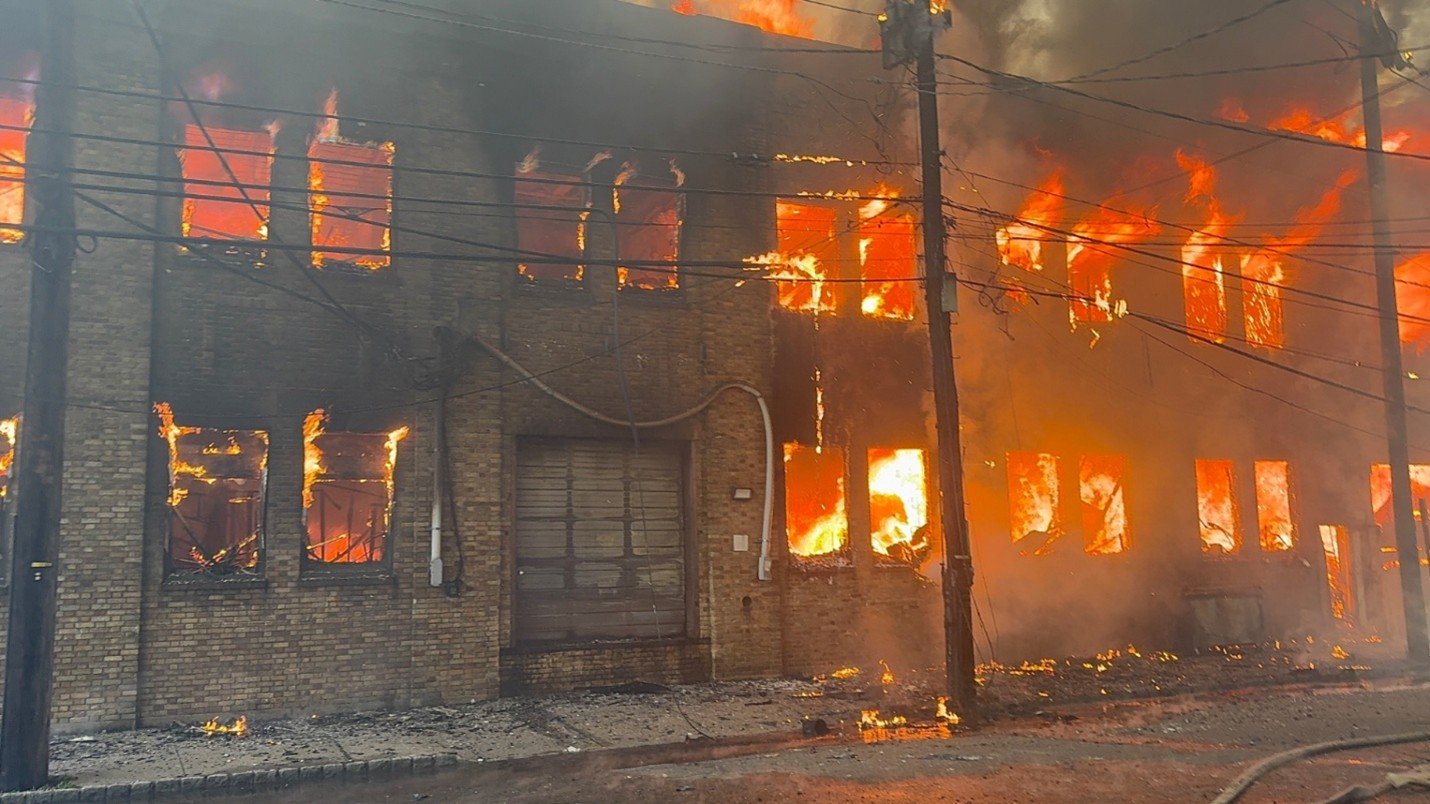 Belleville mattress warehouse fire burns for hours, spreads to nearby buildings
Incident Overview & Risk Factors
Officials reported that the fire began within a mattress storage warehouse containing large quantities of combustible foam, textiles, and packaging materials. Mattresses commonly contain polyurethane foam and synthetic components that produce high heat release rates once ignited. These materials can support rapid flame spread, dense smoke production, and sustained burning conditions that are difficult to control.
Several property-related factors contributed to the severity of the loss:
High combustible fuel load from mattress and foam storage
Additional combustible exposure from an adjacent cardboard warehouse
Wind-driven fire spread between structures
Limited separation distances between commercial occupancies
Explosive hazards associated with compressed gas cylinders and helium tanks
Reported water supply and fire flow challenges during suppression operations
The industrial layout significantly increased exposure risk. Once the fire extended beyond the originating structure, flames spread laterally from building to building, overwhelming initial suppression efforts. Reports also indicated that embers ignited nearby rooftops and secondary structures, further expanding the incident footprint.
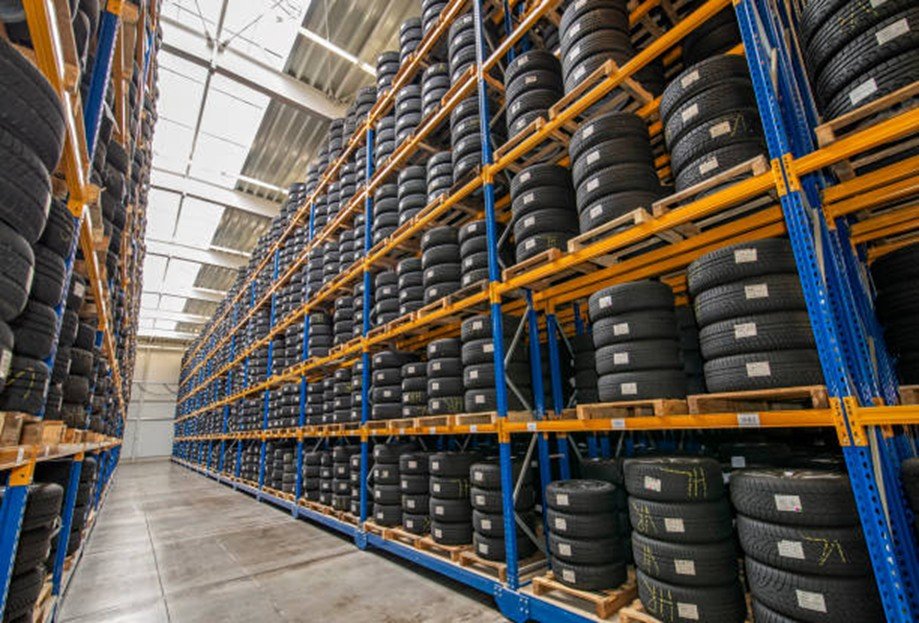
Large warehouse occupancies storing foam products represent elevated fire hazards because combustible contents can exceed the suppression capability of inadequately designed fire protection systems. Without early control, these fires can transition rapidly into defensive firefighting operations.
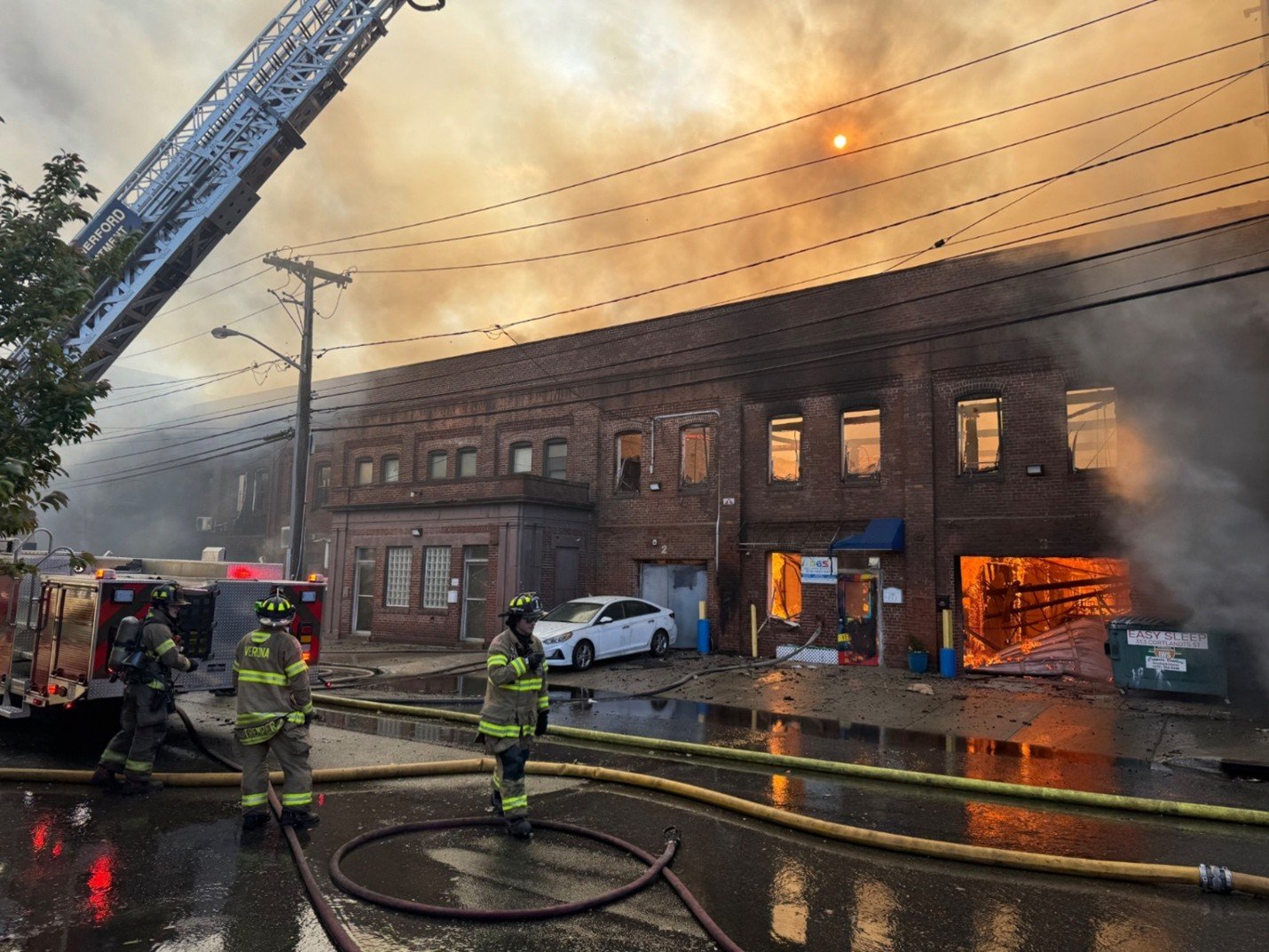 Commercial mattress warehouse fire consumes entire block in Belleville, New Jersey
Property Loss & Insurance Implications
The Belleville fire resulted in catastrophic property damage, including the destruction of multiple warehouse structures, commercial tenant losses, and damage to nearby residential properties. The incident also created significant business interruption exposures and community disruption.
For insurers and property owners, the event highlights several important loss prevention considerations:
High-piled combustible storage significantly increases fire severity potential
Exposure protection between adjacent buildings is critical in dense industrial areas
Wind-driven fire conditions can rapidly defeat manual suppression efforts
Water supply reliability and available fire flow are essential for large warehouse occupancies
Foam and textile storage require properly engineered sprinkler protection systems
FM Property Loss Prevention Data Sheets and NFPA standards emphasize the importance of properly designed automatic sprinkler systems, commodity classification, storage configuration controls, and fire department access planning for high-hazard storage occupancies.
Key prevention measures include:
Installing appropriately designed ESFR or in-rack sprinkler protection systems
Controlling storage heights and combustible loading
Conducting routine fire protection inspections and impairment management
Verifying water supply capacity for maximum fire demand scenarios
Implementing hot work controls and ignition source management programs
This event also reinforces the importance of evaluating contingent business interruption exposures. Large industrial fires often affect neighboring businesses, utilities, transportation access, and the surrounding community.
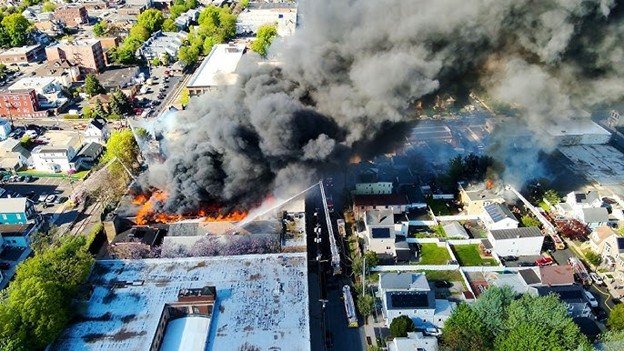 Drone footage captures the Mattress Warehouse Fire
Risk Logic Perspective: High-Fuel-Load Warehouse Storage
Facilities storing mattresses, foam products, textiles, cardboard, or similar combustible commodities should be evaluated as high-hazard occupancies requiring enhanced property protection strategies.
Risk assessments should include detailed reviews of:
Commodity classifications and storage arrangements
Sprinkler system adequacy and water supply reliability
Exposure between buildings/occupancies
Firewall and compartmentation effectiveness
Emergency response coordination and pre-fire planning
Preventive maintenance and inspection programs remain critical for minimizing ignition risk and ensuring fire protection systems perform as intended during a loss event.
Risk Logic engineers help facilities identify fire hazards and implement tailored loss prevention strategies. Contact us to evaluate warehouse fire protection programs, combustible storage risks, and property exposure vulnerabilities.
Bottom Line:
The Belleville warehouse fire demonstrates how combustible foam storage, exposure hazards, and wind-driven conditions can rapidly escalate a single-structure fire into a catastrophic multi-building property loss.