Cooling Tower Fire in Midtown Manhattan Highlights Hidden Risk in Rooftop Mechanical Systems
A rooftop HVAC fire in Midtown Manhattan sent smoke across the skyline and drew a rapid FDNY response near the St. Patrick’s Day Parade route. The incident highlights how quickly cooling‑tower fires can escalate in dense urban environments.
On March 17, 2026, a rooftop fire at a Midtown Manhattan high-rise generated heavy smoke across the skyline and prompted a rapid FDNY response near the St. Patrick’s Day Parade route. The fire originated in rooftop HVAC equipment, likely associated with a cooling tower system, with visible flames and smoke from the upper levels. Crews brought the incident under control within approximately one hour, and no major injuries were reported. The event highlights the risks associated with rooftop mechanical systems, particularly how cooling tower fires can develop in dense urban environments where visibility, exposure, and operational disruption are amplified
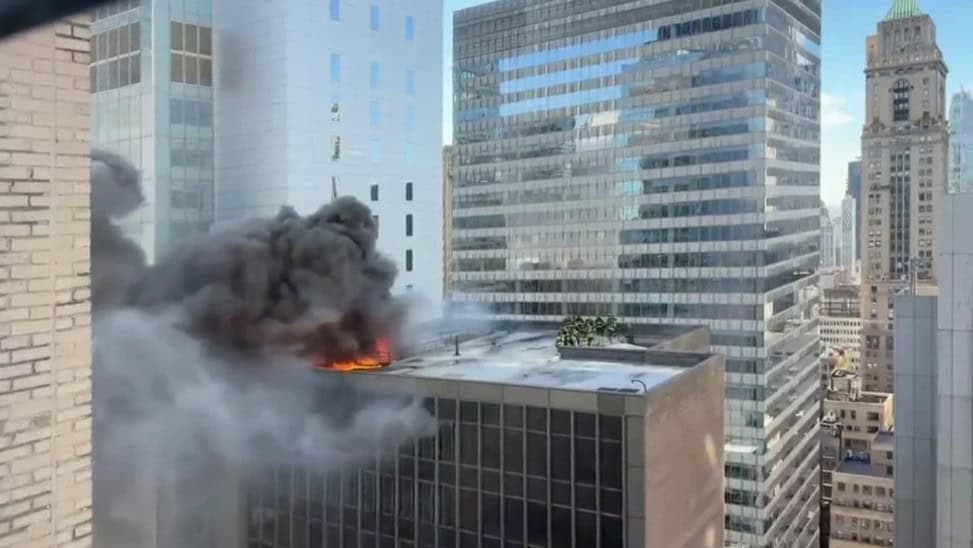
Firefighters seen on the rooftop, working to contain the fire within the building’s cooling tower and mechanical systems.
Incident Overview & Risk Factors
The fire was traced to rooftop mechanical equipment, where cooling towers and HVAC systems introduce often overlooked fire exposures. Despite containing water, these systems include combustible components such as plastic fill, fan assemblies, belts, and electrical wiring.
The building’s reported renovation or conversion status may have further elevated risk. Temporary system configurations, impaired maintenance routines, or exposed electrical components can increase ignition probability and delay detection. Rooftop location also complicates early response, allowing fires to grow before suppression efforts are initiated.
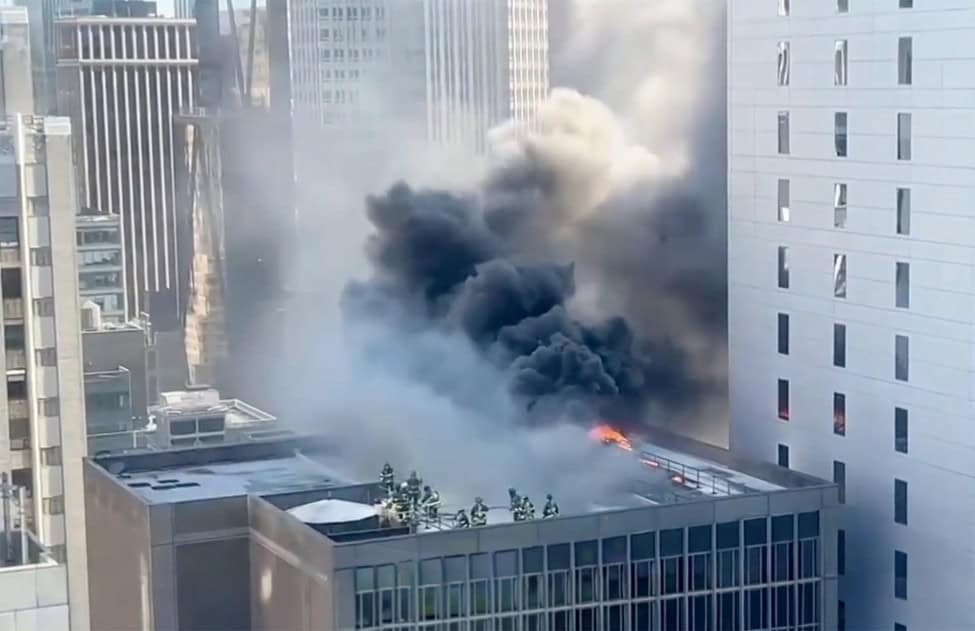
Smoke billowing from the rooftop of the Manhattan high-rise.
Property Loss & Insurance Implications
Although the fire was contained, cooling tower incidents present disproportionate loss potential relative to their size. Damage to rooftop mechanical systems often requires full replacement due to heat exposure, contamination, or code compliance requirements. High-rise access constraints further increase repair costs and downtime.
Operational impacts are a critical exposure. Loss of cooling capacity can disrupt tenant occupancy, sensitive equipment environments, and overall building functionality, driving business interruption even when structural damage is limited.
Additional exposures include:
Smoke infiltration into occupied floors
Water damage from firefighting operations
Impacts to adjacent mechanical systems
Builder’s risk considerations during renovation phases
From an engineering and insurance standpoint, applicable guidance from NFPA and FM emphasizes inspection, ignition source control, and protection of mechanical equipment areas.
Key prevention measures include:
Routine inspection of motors, wiring, and fan components
Removal of combustible debris and biological buildup
Installation of detection or protection systems in rooftop mechanical areas
Strict impairment management during renovation or construction
Evaluation of business interruption exposure tied to HVAC loss
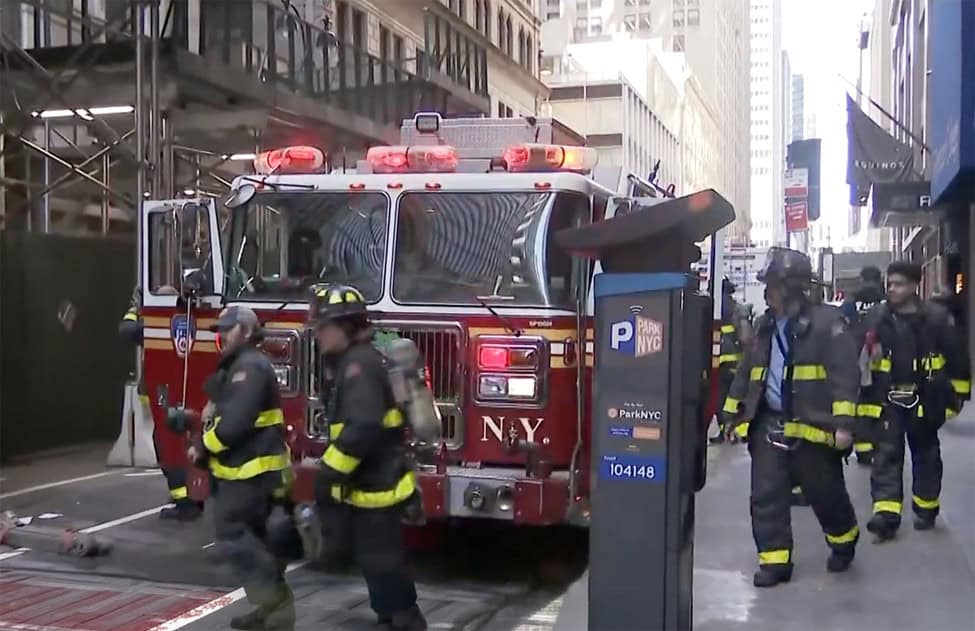
Firefighters arrive in Midtown Manhattan as smoke rises from a high-rise rooftop fire, prompting a rapid emergency response in the busy downtown corridor.
Risk Logic Perspective: Mechanical Equipment Fire Risk
Cooling towers represent a blind spot in many property risk programs. Facilities often assume water presence eliminates fire potential, which is not the case. Effective risk management requires treating these systems as combustible mechanical assemblies with ignition sources, not passive infrastructure.
Facilities should implement targeted inspection protocols focused on electrical integrity, motor performance, and material condition. Preventive maintenance programs must verify that water distribution is functioning as intended and that dry zones are minimized.
During renovation or system modification, enhanced controls are critical. This includes hot work management, temporary fire protection measures, and clear accountability for system impairments. Early detection, particularly heat or smoke detection in rooftop mechanical zones, provides a high-value control that can significantly reduce loss severity.
Risk assessments should also quantify operational dependency on HVAC systems, particularly in high-rise, healthcare, or data-driven environments where downtime carries significant financial impact.
Risk Logic engineers help facilities identify fire hazards in mechanical systems and implement tailored loss prevention strategies. Contact Risk Logic to evaluate your rooftop equipment risk profile.
Bottom Line
Cooling towers can support fire despite being water-based systems, making inspection, maintenance, protection and detection critical to preventing high-impact rooftop losses.