Jackson Plastic Recycling Facility Fire Highlights High Combustible Loading and Fire Protection Challenges
A plastic recycling facility in Jackson, Tennessee, became a total loss after a rapidly spreading fire and roof collapse. The event highlights the importance of matching sprinkler protection to changing plastic storage hazards.
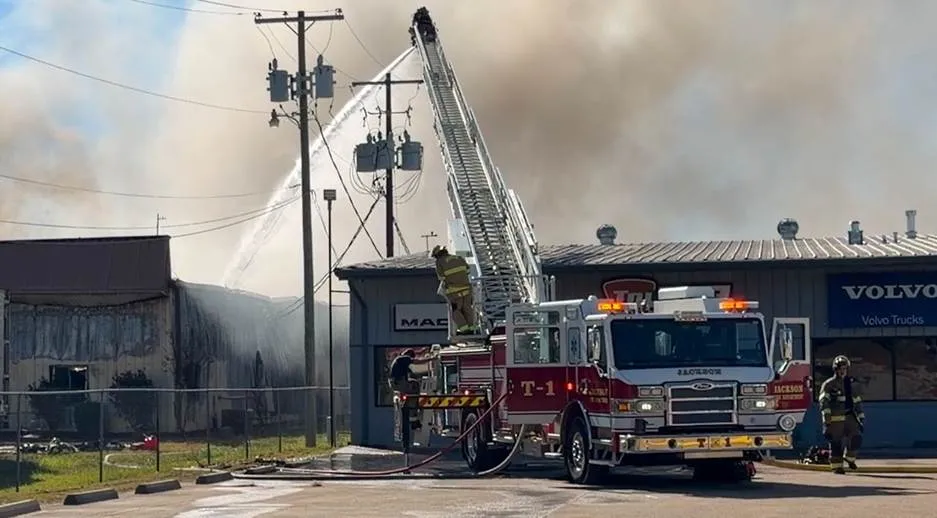
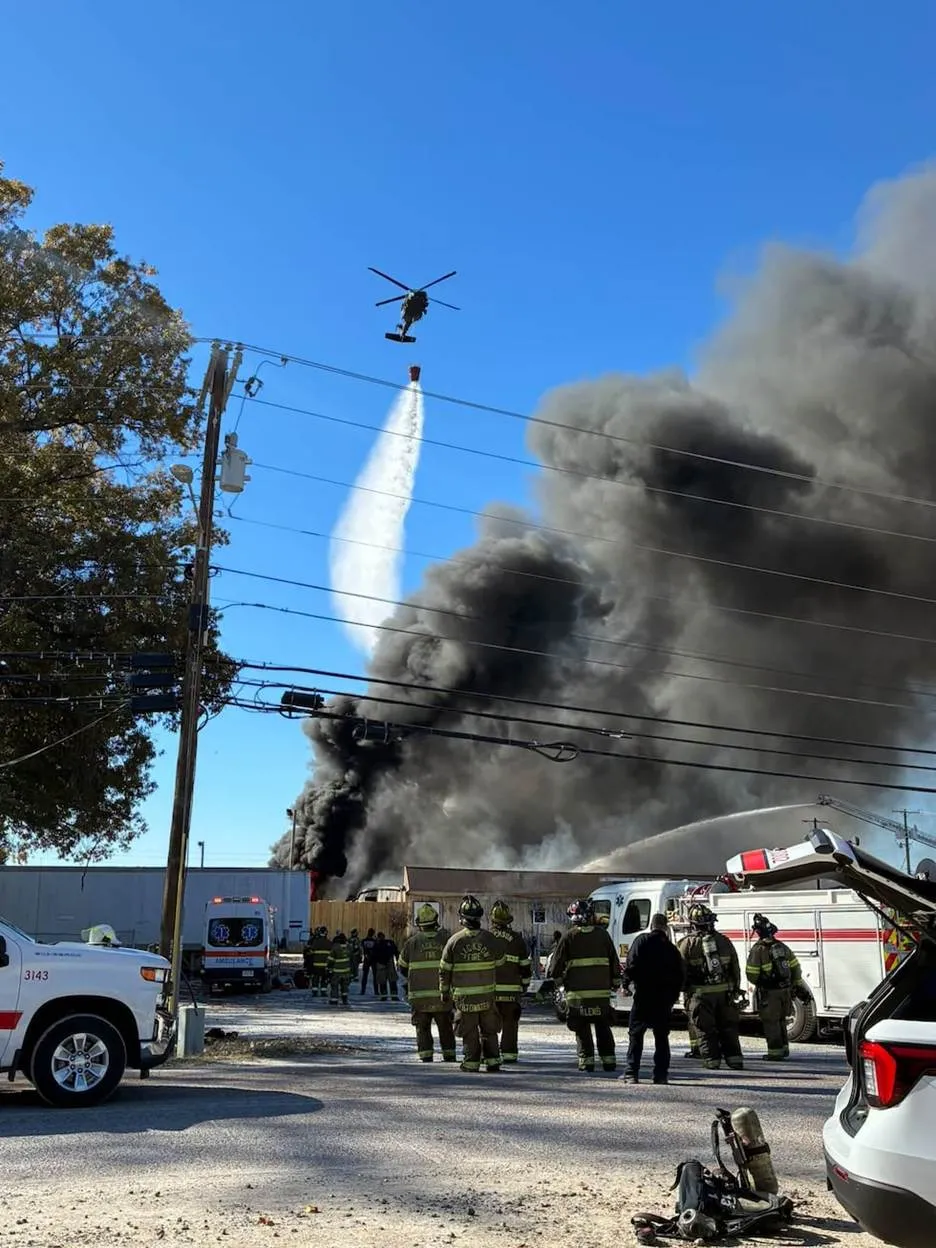
A major fire at a plastic recycling facility in Jackson, Tennessee, on November 17, 2026, demonstrates the severe fire challenge created by large concentrations of combustible plastic materials. The Jackson plastic recycling facility fire was reported at 8:11 a.m., and firefighters arrived eight minutes later to find heavy smoke and fire already extending through the roof. The facility was evacuated, and employees were accounted for.
Sixty-five firefighters from Jackson and Madison County ultimately worked the incident for nine hours and 42 minutes. The building was declared a total loss, and three firefighters were transported to a hospital, treated, and released. The cause remains under investigation, with officials reporting no indication of foul play.
Jackson Plastic Recycling: Incident Overview & Facility Risk Factors
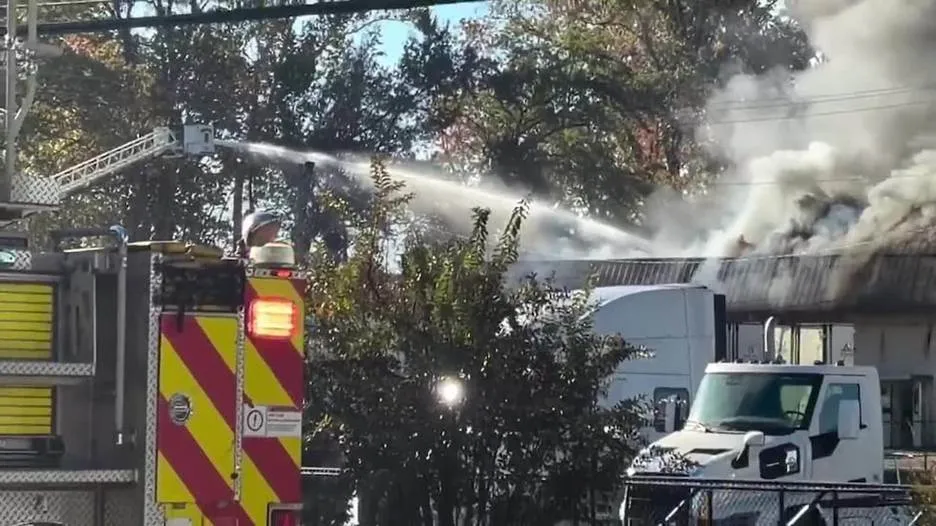
The Jackson Fire Department reported that the facility contained a heavy fire load, which contributed to rapid fire spread. Once crews arrived, conditions required a defensive attack to protect neighboring properties. The roof subsequently collapsed over burning materials, making portions of the fire difficult to reach. Public works crews had to pull sections of the metal roof away so firefighters could access and extinguish material beneath it.
Plastic commodities can create substantially greater fire challenges than ordinary combustibles because many plastics have high heat-release rates and can produce dense smoke. The exact plastics, storage arrangements, storage heights, and sprinkler protection at the Jackson facility have not been publicly documented, so it would be premature to assess whether the installed fire protection was adequate.
FM Data Sheet 8-1, Commodity Classification, classifies plastic commodities according to their fire hazard. FM Data Sheet 8-9, Storage of Class 1, 2, 3, 4 and Plastic Commodities, requires protection to be based on factors including commodity hazard and storage arrangement. FM notes that uncartoned and expanded plastic commodities can represent some of the most severe conventional storage hazards.
Property Loss & Insurance Implications
A recycling facility presents a particular challenge because incoming material, storage arrangements, pile heights, and commodity mixes can change over time. Fire protection that was appropriate for one storage configuration may become inadequate if the quantity, type, or height of plastic storage increases.
NFPA 13 similarly requires storage protection to consider commodity classification, storage method, storage height, building height, clearances, and sprinkler technology. These variables should be reassessed whenever storage conditions materially change.
Key loss-prevention measures include:
Identify and document the actual plastic commodity classifications present.
Verify sprinkler protection is appropriate for the most severe storage hazard and configuration.
Establish maximum storage heights, pile sizes, and aisle widths consistent with the sprinkler design.
Maintain adequate clearance beneath sprinklers and between storage arrays where required.
Control accumulation of loose combustible materials around processing and storage areas.
Maintain reliable fire pumps, water supplies, sprinkler valves, and alarm supervision.
Evaluate changes in recycled material streams through a formal management-of-change process.
Maintain fire department access to storage areas and plan for high fire-water demand.
Consider structural collapse potential when evaluating high-challenge combustible storage fires.
Risk Logic provides additional guidance on Protection for Storage and Plastics Property Loss Prevention, including the importance of matching sprinkler protection to plastic commodity and storage arrangement.
Risk Logic Perspective: Plastic Recycling and Storage
Plastic recycling facilities should be evaluated as dynamic storage and processing occupancies. A facility may receive different polymers, containers, packaging, baled material, loose products, or processed plastic over time, potentially changing the fire hazard without corresponding modifications to sprinkler protection.
Risk engineering assessments should therefore verify commodity classification, actual storage height and configuration, sprinkler design basis, available water supply, housekeeping, equipment ignition sources, fire department access, and procedures for controlling changes in inventory or operations.
Risk Logic engineers help facilities evaluate combustible storage, sprinkler protection, water supplies, process hazards, and changing occupancy conditions. Contact Risk Logic to discuss facility-specific property loss prevention strategies.
Bottom Line: Plastic recycling facilities require sprinkler protection and storage controls that continuously reflect the actual commodity hazard because high combustible loading can overwhelm fire protection and rapidly escalate into a total property loss.