Paper-Processing Fire Highlights Bearing Maintenance and Combustible Waste Hazards
A suspected overheated bearing ignited accumulated waste paper beneath industrial machinery at a Pennsylvania paper-processing facility. The incident highlights the value of preventive maintenance, housekeeping, and fire protection.
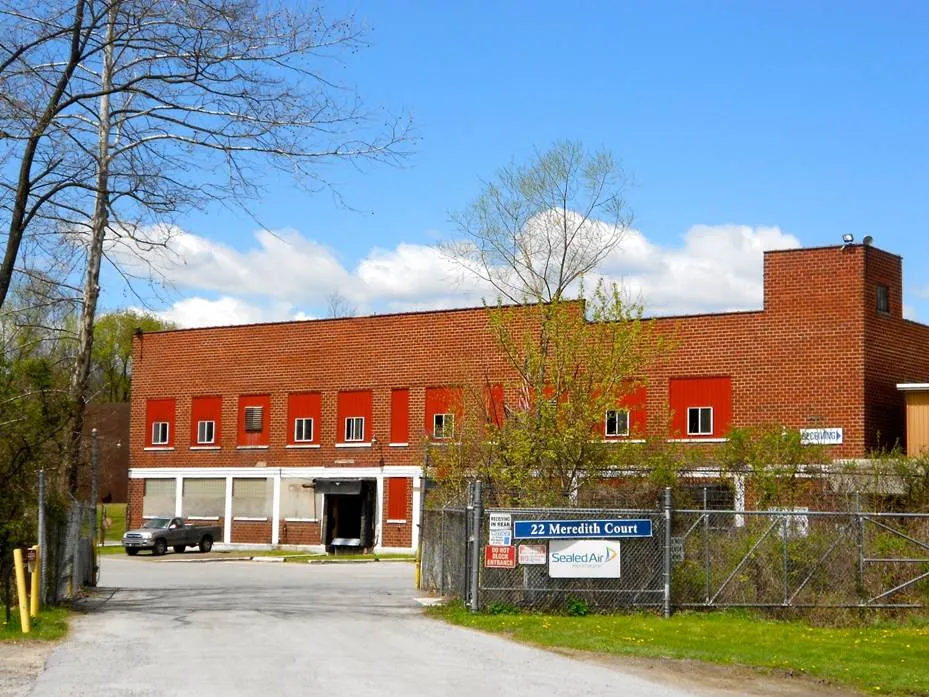
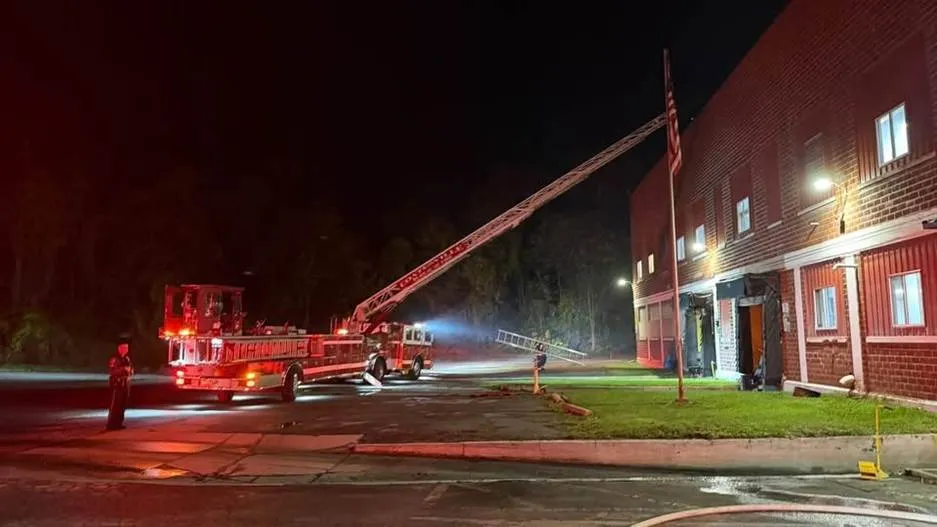
A fire involving industrial paper-processing equipment in Modena, Pennsylvania, on November 6, 2026, shows how mechanical failures and accumulated combustible waste can combine to create significant property-loss potential. The Modena paper-processing fire was reported at approximately 6:51 p.m., with initial reports indicating visible flames from first- and second-floor windows. Employees evacuated safely, and no injuries were reported.
Firefighters located the fire between the first and second floors beneath industrial dryers used in the paper-product manufacturing process. Plant personnel and the facility fire brigade initially attempted to extinguish the fire before municipal firefighters arrived. Multiple hose lines were deployed, and crews brought the fire under control by approximately 7:30 p.m., limiting damage primarily to the affected machinery with no significant structural damage reported.
Incident Overview & Paper-Processing Fire Risk Factors
According to the Modena Fire Company, investigators believe a malfunctioning bearing ignited excess paper accumulated in pits beneath the machinery. The fire then spread through the machine and the immediate surrounding area. The facility also uses dust collectors to capture excess paper for recycling, adding another combustible material pathway that requires careful maintenance and housekeeping.
This ignition mechanism is consistent with recognized paper-processing hazards. FM Data Sheet 7-4, Paper Machines and Pulp Dryers, identifies overheated bearings, friction at belts and gears, mechanical sparks, electrical faults, and accumulated paper dust or scraps as common ignition sources around paper machinery. FM also notes that once ignition occurs, paper dust, scraps, oily deposits, and other combustibles can support rapid fire spread through machinery and ventilation systems.
Risk Logic's guidance on Paper Making Fire Hazards similarly emphasizes preventive maintenance, housekeeping, automatic sprinkler protection, and controls for dust and lubrication systems.
Property Loss & Insurance Implications
The Modena incident demonstrates how a relatively small mechanical failure can threaten high-value production equipment and interrupt operations. Bearings, dryers, conveyors, rolls, motors, and associated controls can represent critical production bottlenecks, and replacement or repair may take far longer than the initial firefighting operation.
Accumulated waste beneath machinery can make these fires particularly difficult to detect and reach. Pits, floor openings, machinery enclosures, and concealed spaces can shield burning material from ceiling-level sprinklers and allow fire to spread before it is visible from normal operating areas.
Key loss-prevention measures include:
Inspect and lubricate bearings, rollers, belts, gears, and drive components in accordance with documented preventive maintenance schedules.
Use temperature, vibration, or condition monitoring on critical bearings where failure could ignite surrounding combustibles.
Investigate abnormal noise, heat, vibration, or friction before continuing equipment operation.
Remove paper scraps, lint, dust, and waste from pits and concealed areas on a defined housekeeping schedule.
Provide automatic sprinkler protection around and beneath large processing equipment where combustible accumulation can occur.
Evaluate local detection or suppression where machinery creates significant sprinkler obstructions or concealed fire areas.
Maintain dust collectors, ducts, and associated equipment to prevent combustible accumulation and fire propagation.
Confirm emergency shutdown procedures allow operators to stop machinery, ventilation, and material feed when a fire is detected.
Maintain trained emergency response personnel while recognizing that manual firefighting should supplement, not replace, automatic protection.
FM's loss experience shows that severe paper-machine damage and extended business interruption are significantly more likely when automatic sprinkler protection is absent.
Risk Logic Perspective: Machinery Maintenance and Combustible Waste
Preventive maintenance and housekeeping should be treated as fire protection measures in paper-processing facilities. A bearing that begins running hot may appear to be a maintenance issue, but when it is surrounded by accumulated paper waste, lint, dust, or oil residues, it can become an ignition source for a rapidly spreading equipment fire.
Risk engineering inspections should therefore review not only the condition of machinery, but also the areas beneath, behind, and inside production equipment where combustible material can accumulate. Temperature monitoring, lubrication practices, housekeeping frequency, sprinkler coverage, fire brigade procedures, and access for emergency response should all be evaluated together.
Risk Logic's Paper Mill Fire Risks guidance further emphasizes the importance of preventive maintenance, equipment protection, housekeeping, and business continuity planning for critical paper-processing operations.
Risk Logic engineers help facilities evaluate production equipment, preventive maintenance programs, combustible loading, sprinkler protection, and business interruption exposures. Contact Risk Logic to discuss facility-specific property loss prevention strategies.
Bottom Line: In paper-processing operations, overheated bearings and accumulated combustible waste can turn a routine mechanical failure into a significant fire, making preventive maintenance, housekeeping, and automatic protection critical safeguards.