Lancaster Battery Recycling Plant Explosion Highlights Process Equipment and Fire Protection Risks
An explosion at a Lancaster, Ohio battery recycling facility underscores how process equipment and exhaust system failures can drive severe property and business interruption risks even without a major building fire.
An explosion at a battery recycling facility in Lancaster, Ohio, on October 1, 2026, shows how process equipment failures can create significant property and business interruption exposures even without a sustained building fire.
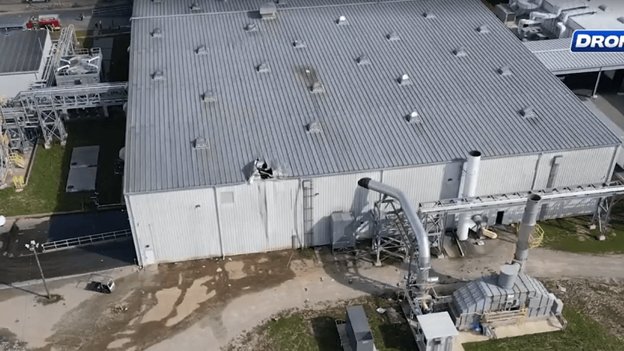
The Lancaster battery recycling plant explosion occurred at approximately 1:15 p.m. and damaged the roof, prompting the evacuation of employees and some neighboring businesses. No injuries were reported, and officials said the surrounding area was safe for the public.
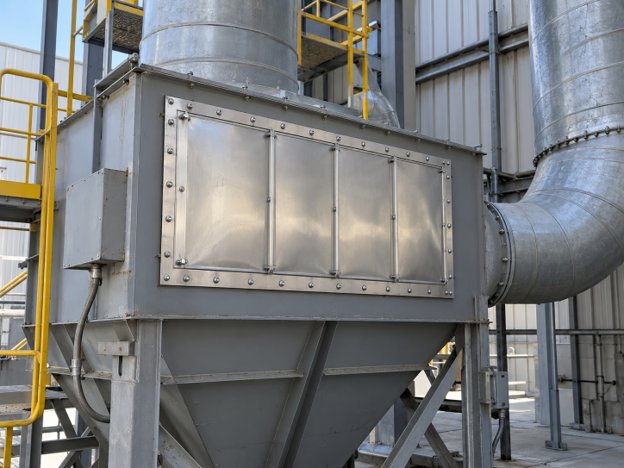
According to the Lancaster fire chief, the explosion occurred in the exhaust system serving a large piece of processing equipment. The blast activated the facility's sprinkler system, although firefighters reported no active fire. Crews helped facility personnel cool equipment and remove affected product while investigators worked to determine the cause.
Incident Overview & Battery Recycling Risk Factors
The precise mechanism that caused the exhaust system explosion remains under investigation. Available reporting does not establish that lithium-ion batteries, combustible dust, flammable vapors, or thermal runaway caused the event, so attributing the explosion to any specific material would be premature. What the incident does highlight is the importance of understanding all potential fire and explosion hazards associated with process equipment and its ventilation or exhaust systems.
Battery recycling operations may involve damaged or end-of-life batteries, particulate materials, combustible components, and processes that generate dusts, gases, or vapors. The specific hazards depend heavily on the recycling process and battery chemistry. A previous 2024 fire at the same Lancaster facility was contained to a shredder, illustrating the importance of evaluating individual pieces of process equipment as potential ignition and fire-loss scenarios.
FM Data Sheet 7-112, Lithium-Ion Battery Manufacturing and Storage, addresses hazards including thermal runaway, fire, reignition, and explosion. It also includes specific guidance for returned, defective, off-specification, and damaged batteries, as well as equipment and processes, maintenance, training, and ignition-source control. Risk Logic previously examined these issues in Enhancing Lithium-Ion Battery Safety.
Property Loss & Insurance Implications
An explosion does not need to produce a major structural fire to generate a significant property claim. Blast forces can damage roofing, walls, process equipment, ductwork, electrical systems, controls, and utilities. Specialized recycling equipment may also have significant replacement lead times, creating business interruption exposures well beyond the initial physical damage.
The sprinkler system operated during the Lancaster event, and the incident did not progress into a sustained building fire. Available reporting does not establish how much sprinkler operation influenced that outcome, but automatic fire protection remains an important secondary safeguard when an explosion creates ignition sources or exposes surrounding combustibles.
Key loss-prevention measures include:
Conduct process hazard reviews for equipment that shreds, crushes, separates, dries, conveys, or otherwise processes battery materials.
Evaluate exhaust and dust-collection systems for credible accumulations of combustible dust, flammable gases, or vapors based on the actual process.
Perform a combustible dust hazard analysis where applicable. NFPA 660 provides current guidance for combustible dust and particulate-solid hazards.
Where potentially explosive concentrations can occur within enclosed equipment, evaluate explosion prevention, isolation, venting, or suppression in accordance with applicable standards such as NFPA 69.
Inspect and maintain ducts, collectors, filters, fans, sensors, interlocks, and shutdown systems as part of a documented preventive maintenance program.
Maintain automatic sprinkler protection appropriate for the building occupancy and surrounding commodities.
Segregate damaged, defective, or suspect batteries and establish procedures for monitoring and safely handling abnormal conditions.
Develop pre-incident plans with responding fire departments for battery materials, hazardous products, process shutdowns, and post-fire monitoring.
Risk Logic Perspective: Battery Recycling Process Hazards
Battery recycling facilities require a risk assessment that extends beyond battery storage. Shredders, conveyors, ventilation systems, dust collectors, material-transfer equipment, and downstream recovery processes can each introduce distinct fire, explosion, mechanical, and business interruption exposures.
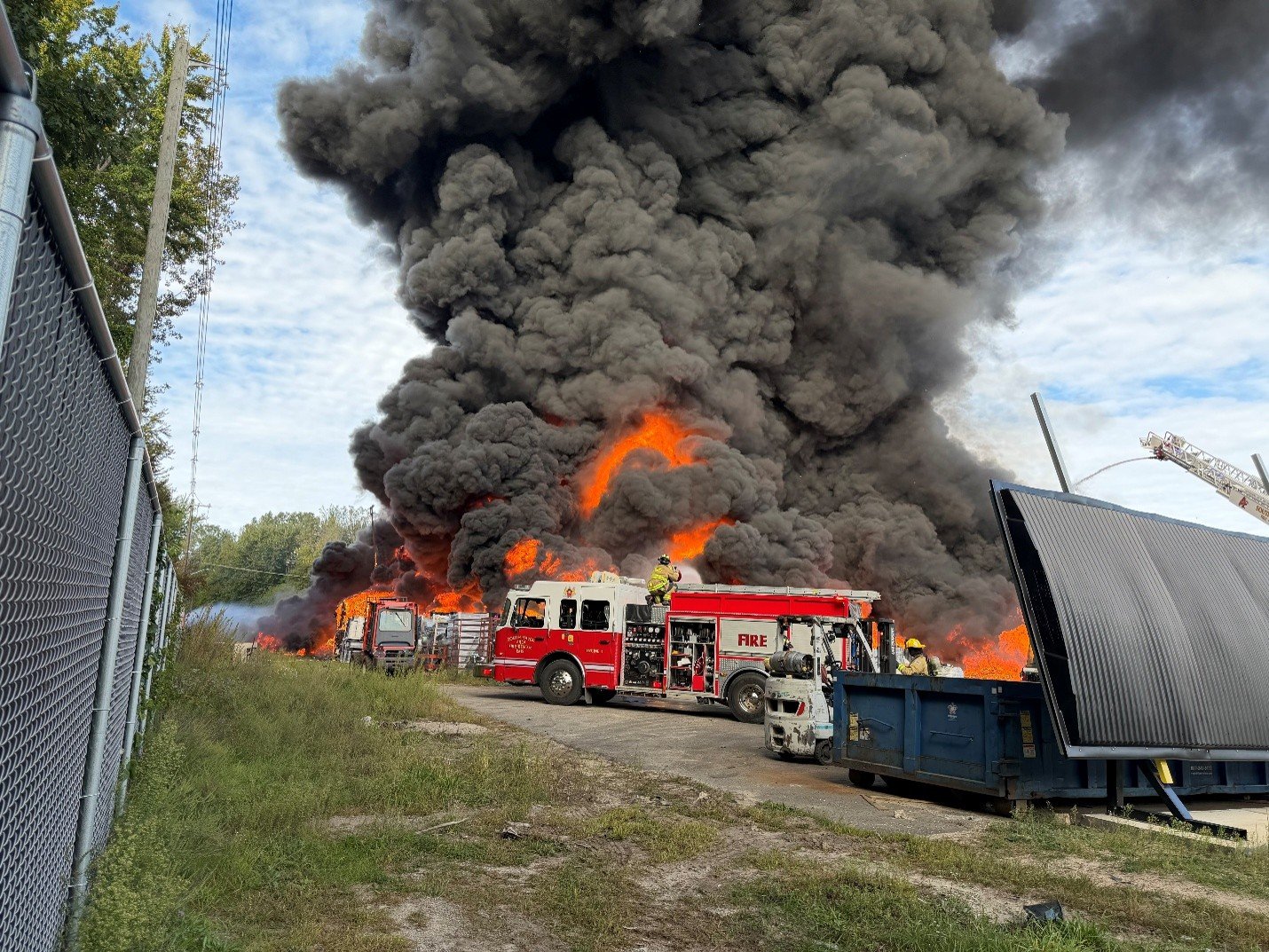
Risk Logic previously examined the consequences of a major recycling facility fire in Fire at the Lithium-Ion Battery Recycling Facility in Missouri, where fire damage and prolonged extinguishment demonstrated the challenges associated with damaged and burning battery materials.
Risk Logic engineers help facilities identify process, battery, fire, and explosion hazards and develop practical engineering controls to reduce property and business interruption exposures. Contact Risk Logic to discuss facility-specific loss prevention strategies.
Bottom Line: Battery recycling operations require coordinated process hazard analysis, equipment safeguards, maintenance, and fire protection because a localized equipment explosion can quickly threaten critical machinery, building systems, and continued operations.