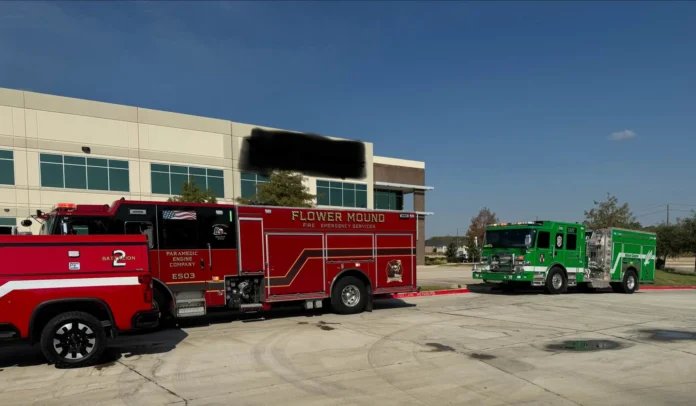
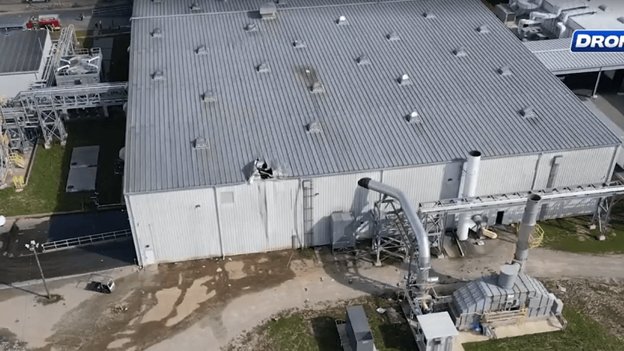
South Haven Plastics Plant Fire Highlights Risks of Outdoor Combustible Storage
A five-alarm fire at a plastics manufacturing facility in South Haven, Michigan, underscores the severe property exposure created when outdoor combustible storage and propane cylinders are located near industrial buildings.
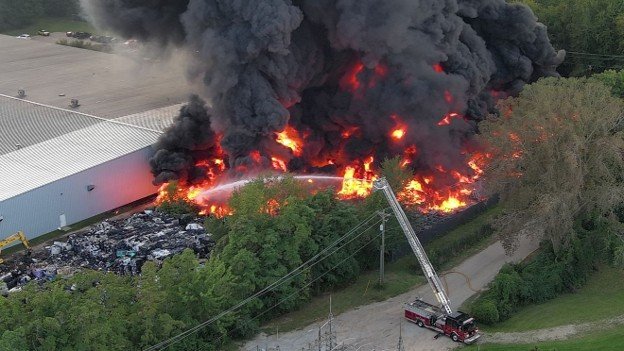
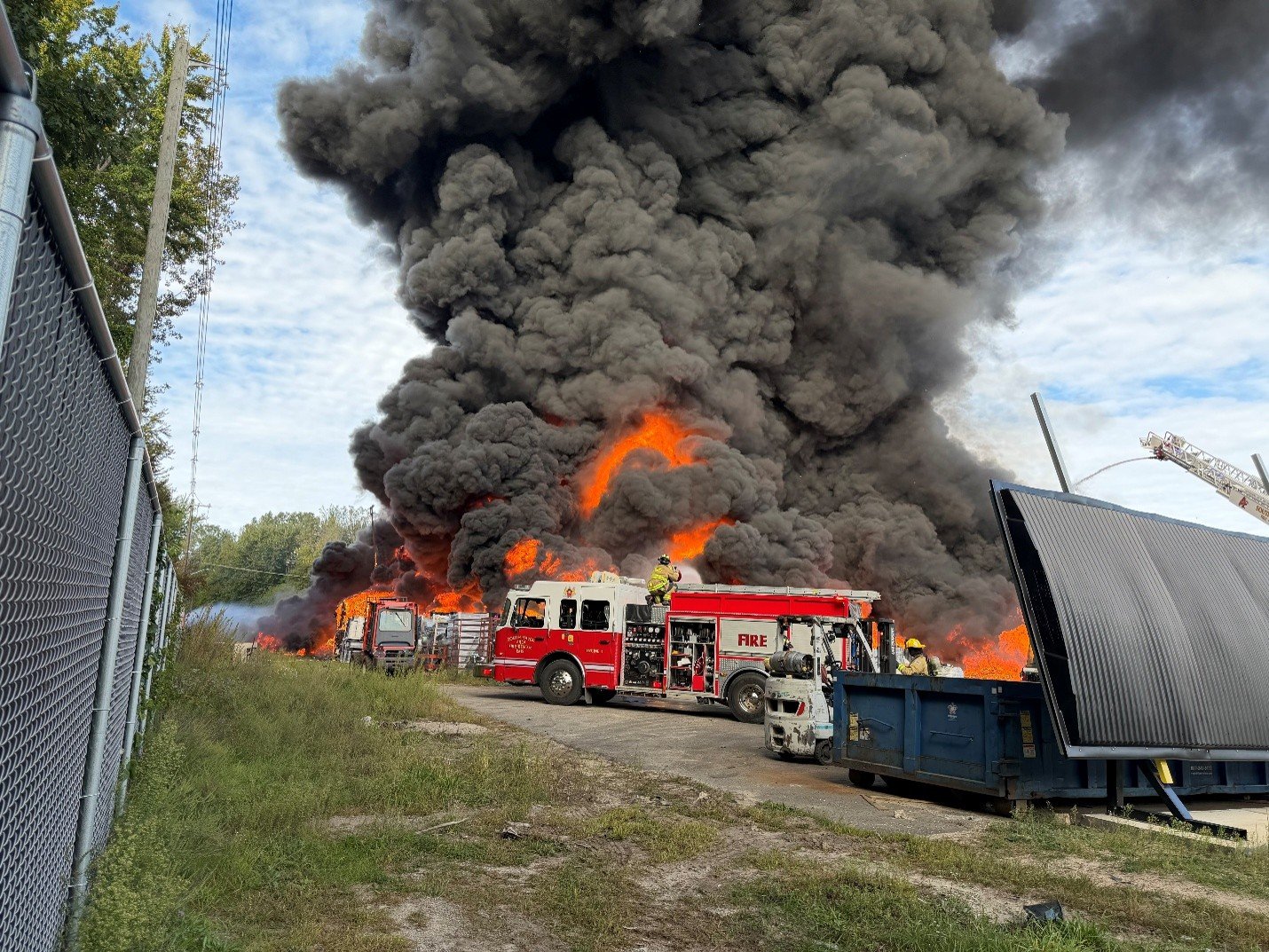
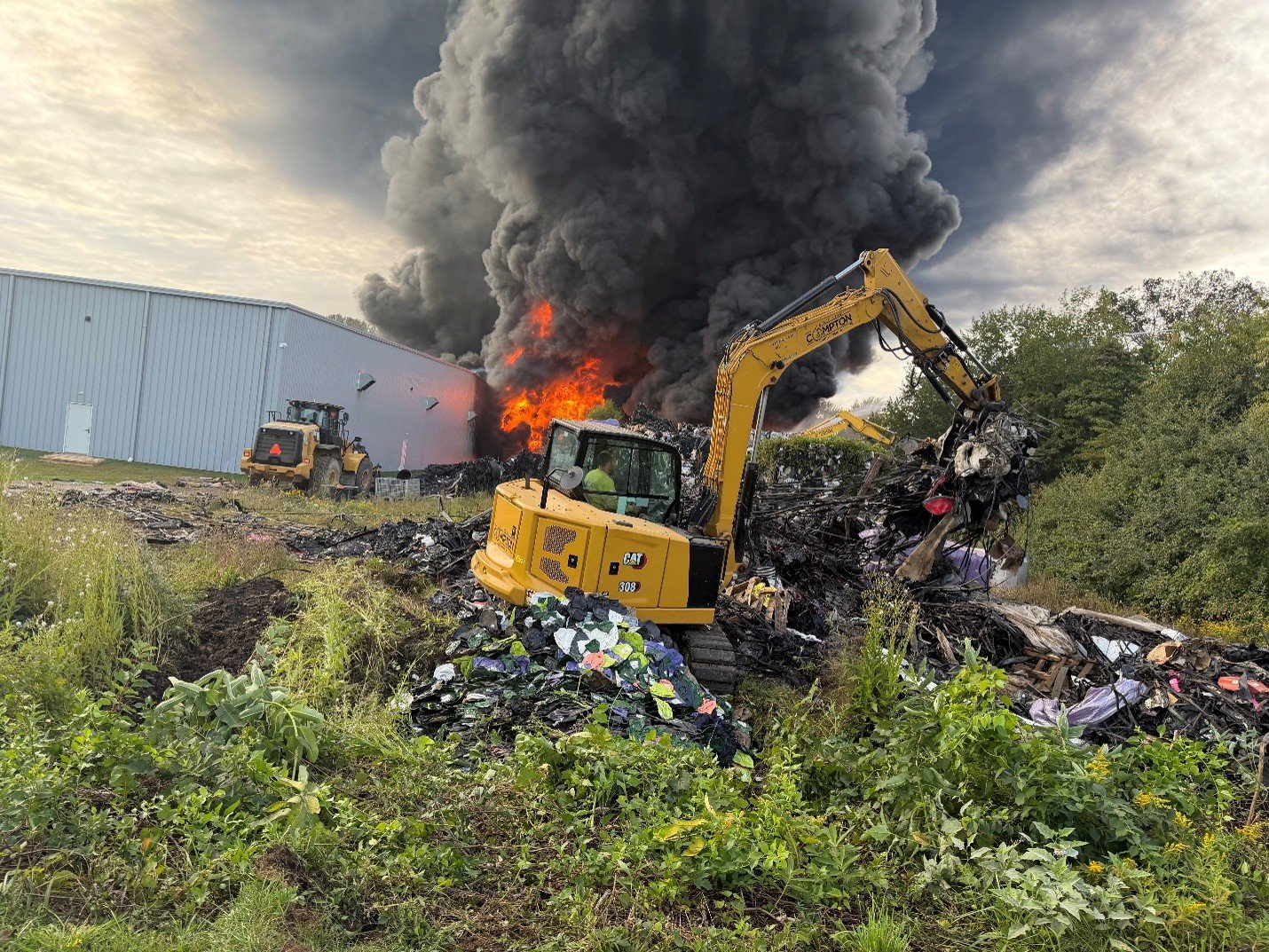
A five-alarm fire at a plastics manufacturing facility in South Haven, Michigan, on September 25, 2026, highlights the significant exposure created when combustible outdoor storage is located near buildings, utilities, and propane equipment. The South Haven plastics plant fire reportedly began outside in pallets of plastic material and spread into the facility. Propane cylinders became involved and exploded during the fire, while employees evacuated safely with no reported injuries.
Firefighters used an estimated two million gallons of water during the response and remained on scene for approximately 15 hours. The proximity of the fire to electrical infrastructure also prompted authorities to disconnect power, resulting in widespread outages across South Haven. Local media later reported that the manufacturing facility was destroyed.
Incident Overview & Outdoor Combustible Storage Risk Factors
The fire reportedly started in pallets of plastic materials stored outside the manufacturing building, near propane equipment. The precise ignition source remains under investigation. As the exterior fire intensified, propane cylinders became exposed, and explosions reportedly projected tanks hundreds of feet from the area.
Plastic commodities can produce rapid fire growth, high heat-release rates, and dense smoke. When significant quantities are stored outside, the hazard can extend beyond the storage area itself. Radiant heat, direct flame impingement, burning debris, and exposure to building openings or combustible construction can allow an exterior fire to transition into a major structural loss.
FM Data Sheet 1-20, Protection Against Exterior Fire Exposure, specifically addresses fires involving outdoor yard storage, including plastics, and uses factors such as storage height, exposure length, building construction, and separation distance to determine appropriate protection. Risk Logic has also addressed this issue in its guidance on Protection Against Exterior Fire Exposure.
Property Loss & Insurance Implications
This loss demonstrates how an outdoor storage fire can bypass one of a facility's primary defenses: the automatic sprinkler system. Sprinklers protecting the interior cannot control a fire that develops outside the building before exposing walls, openings, roof assemblies, utilities, or hazardous equipment.
The involvement of propane further increased the severity. NFPA 58 establishes separation and protection requirements for LP-Gas containers, with separation distances intended to reduce exposure between containers, buildings, and surrounding hazards.
Key loss-prevention measures include:
Maintain FM-recommended separation between outdoor plastic storage and buildings based on the storage configuration and exposure.
Keep propane cylinders, tanks, filling equipment, and other fuel sources adequately separated from combustible storage.
Limit outdoor storage pile height, footprint, and concentration where practical.
Maintain clear fire department access around exterior storage and utility areas.
Evaluate exterior walls, doors, windows, roof edges, and other openings for vulnerability to radiant heat and flame exposure.
Confirm adequate fire-water supplies for credible exterior storage scenarios.
Include storm drains and nearby waterways in emergency response planning where plastics, chemicals, or other materials could enter fire-water runoff.
Risk Logic Perspective: Outdoor Combustible Storage
Treat outdoor storage as part of the facility's overall fire protection strategy, not simply as yard space. Changes in production, recycling operations, inventory levels, or logistics can gradually increase exterior fire loading without triggering the same level of engineering review typically applied to indoor storage.
Periodic property risk assessments should document outdoor commodities, storage heights, separation distances, propane and fuel exposures, building construction, critical utilities, and firefighting access. Facilities handling plastics should also verify that interior sprinkler protection remains appropriate as commodities and storage arrangements change. Additional guidance on the severity of plastic commodities is available in Risk Logic's Plastics Property Loss Prevention guidance.
Risk Logic engineers help facilities evaluate exterior storage exposures, sprinkler protection, hazardous material arrangements, and other conditions that can allow a localized fire to become a major property loss. Contact Risk Logic to discuss facility-specific loss prevention strategies.
Bottom Line: Outdoor plastic storage requires deliberate separation and exposure protection because a fire that starts outside the sprinklered building can quickly escalate into a facility-wide loss.