Mitigating Fire Risk in High‑Fuel, Compartmentalized Storage Buildings
Five-Alarm Storage Facility Fire in Milwaukee Highlights Risks of High-Fuel, Compartmentalized Structures.
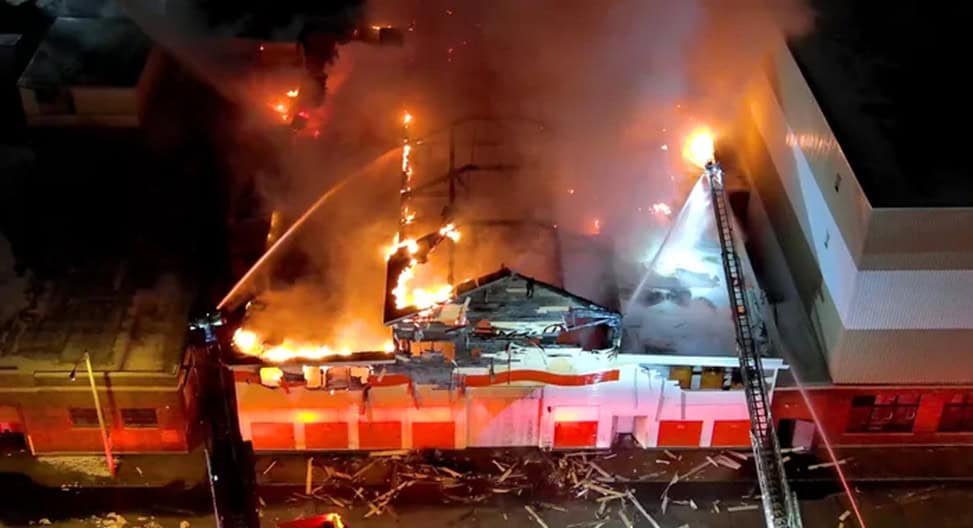
Aerial view shows roof collapse and heavy fire involvement as crews operate defensively at the Milwaukee storage facility.
A five-alarm fire at a storage facility in Milwaukee’s Walker’s Point neighborhood on the evening of January 21, 2026, underscores the severe property‑loss potential associated with large, compartmentalized storage occupancies; the blaze, which prompted a rapid Milwaukee Fire Department response shortly after 6:30 p.m. and was upgraded to a five‑alarm incident by about 10:00 p.m. due to escalating conditions, limited interior access, and deteriorating weather, forced crews into defensive operations and caused extensive tenant and structural damage. This article explains what happened and what can be learned to mitigate fire risk in storage occupancies.
Fire crews initially attempted an interior attack but were forced to transition to defensive operations as the fire extended through interior units, concealed spaces, and into the roof assembly. Master streams and water towers were deployed as firefighters contended with subzero temperatures, high winds, and prolonged suppression operations lasting into the following day. No injuries were reported; however, the fire caused extensive damage to tenant contents and resulted in a significant multi-tenant property loss. The cause remains under investigation.
Why the Fire Spread
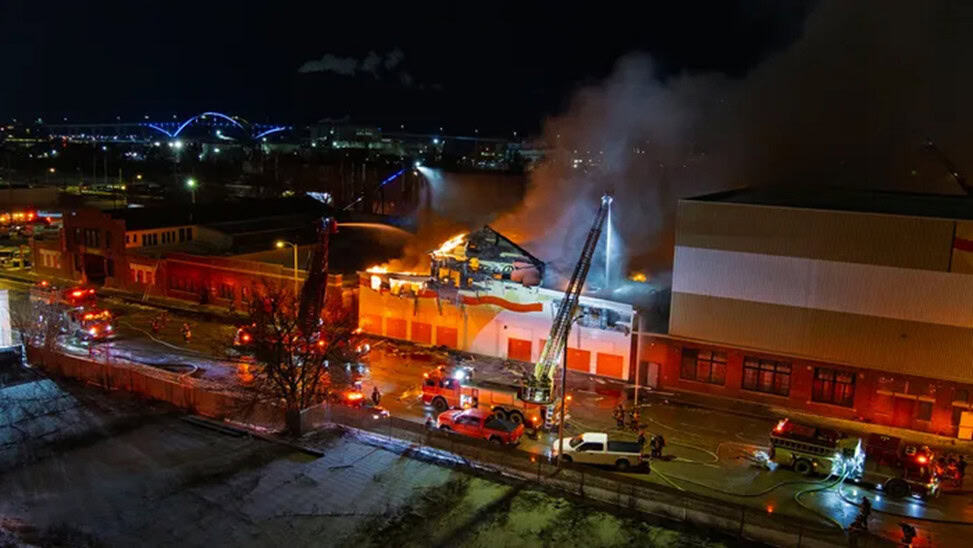
Ladder trucks and master streams deployed during the five-alarm fire, highlighting limited interior access and large fire load.
Self-storage facilities represent a challenging fire protection profile due to their inherent design and fuel characteristics. These buildings typically consist of large floor plates subdivided into hundreds of individual storage units, creating extensive compartmentation and concealed void spaces. Once a fire is established, these voids allow fire to spread laterally and vertically with limited visibility, delaying detection and complicating suppression.
In this event, the combination of heavy combustible loading, including furniture, household goods, commercial inventory, and potentially vehicles, contributed to sustained fire intensity. Wind-driven conditions and extreme cold further reduced operational effectiveness by impacting hose streams, hydrant reliability, and firefighter endurance. The transition to defensive operations indicates that the fire had surpassed the threshold at which interior attack could be safely or effectively maintained.
Implications for Property Loss Prevention
This Milwaukee storage facility fire highlights several critical considerations for property owners, insurers, and risk managers evaluating similar occupancies:
High Fuel Load Density: Storage facilities aggregate diverse combustibles in close proximity, increasing heat release rates and loss severity.
Compartmentalization Risk: Individual units and concealed construction can mask fire growth and delay effective suppression.
Fire Protection Limitations: Inadequate or obstructed sprinkler system design for storage configurations can allow fires to overwhelm suppression capabilities.
Environmental Stressors: Cold weather operations introduce additional risk factors that can materially affect firefighting outcomes.
Tenant Exposure Management: Mixed-use storage, including business inventory, elevates both property and insurance aggregation risk.
Facilities lacking robust fire protection systems and clear controls on stored commodities present elevated maximum foreseeable loss scenarios.
Practical Takeaways
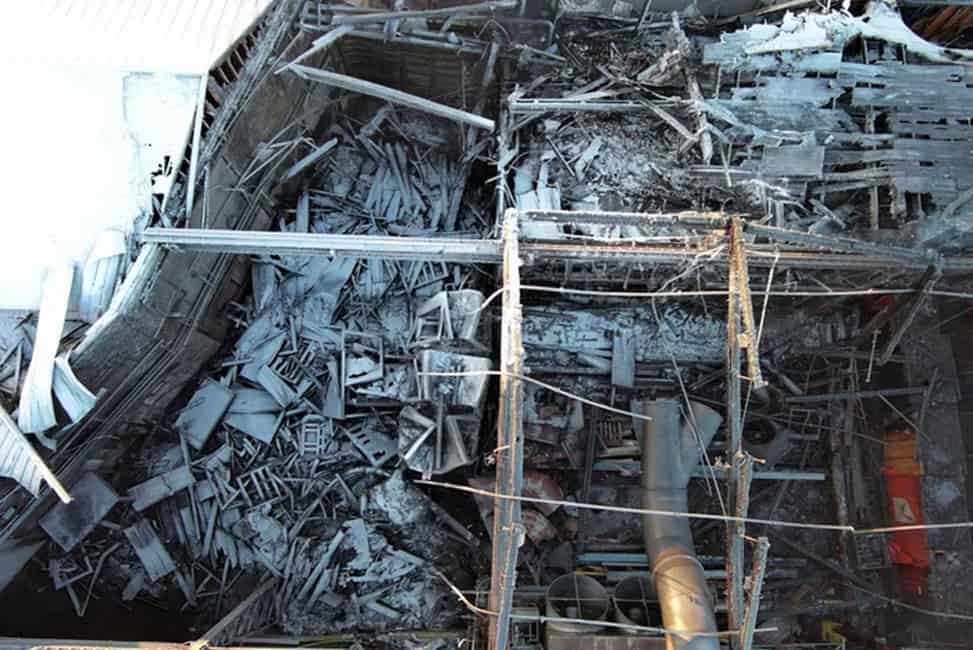
Post-fire damage reveals extensive structural collapse and debris, illustrating concealed fire spread within compartmentalized storage units.
To reduce loss potential in storage occupancies, facility owners and insurers should prioritize the following actions:
Review sprinkler system design and density against current NFPA and FM guidance for storage occupancies.
Assess building layout, ceiling heights, and concealed spaces that may allow undetected fire spread.
Implement clear tenant use restrictions and enforce controls on prohibited or high-hazard contents.
Incorporate cold-weather and severe-condition response planning into emergency preparedness programs.
Encourage or require adequate tenant contents and business interruption insurance to mitigate downstream financial impact.
Risk Logic engineers help organizations identify hidden fire-spread vulnerabilities, evaluate fire protection system performance, and align facilities with best-practice property loss-prevention standards. Contact Risk Logic to review your storage facility exposures and strengthen your loss prevention strategy.
Bottom Line
High-compartmentalization storage occupancies concentrate fuel, conceal fire spread, and can escalate rapidly into large-loss events without robust fire protection and disciplined risk management.