Springfield Electronics Recycling Fire Highlights Fire Spread and Multi-Tenant Property Risks
A fire at a Springfield, Illinois, electronics recycling business caused extensive damage to a multi-tenant shopping center. The incident highlights the importance of effective fire separation, sprinkler protection, and managing higher-hazard tenant occupancies.
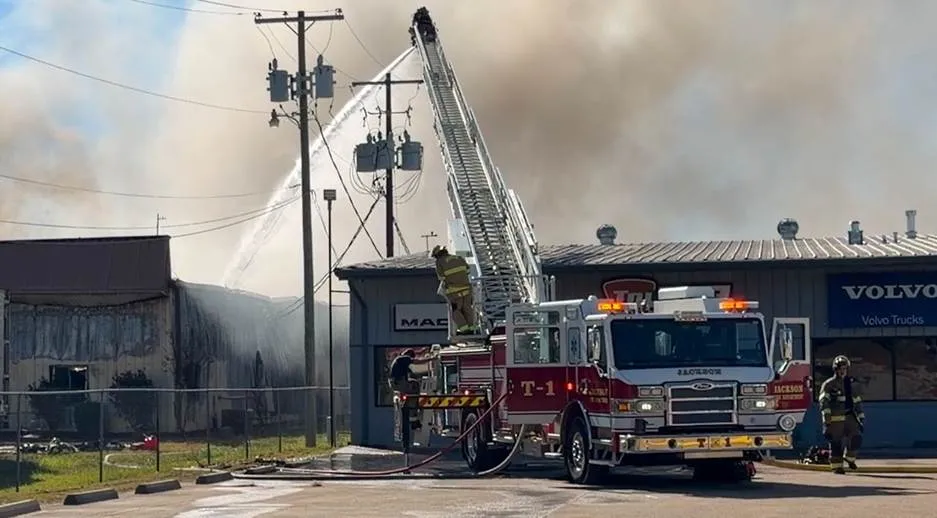
A fire at a computer repair and electronics recycling business in Springfield, Illinois, on November 22, 2026, caused extensive damage to a commercial shopping center and affected several neighboring businesses. Firefighters discovered smoke shortly before 8:00 a.m., prompting a significant emergency response as flames spread through the property. Two firefighters sustained minor injuries, and portions of the building's roof collapsed during suppression efforts. The Springfield electronics recycling fire highlights how combustible contents, limited fire protection, and inadequate tenant separation can contribute to significant property losses.
Springfield Electronics Recycling Fire: Incident Overview & Multi-Tenant Property Risk Factors
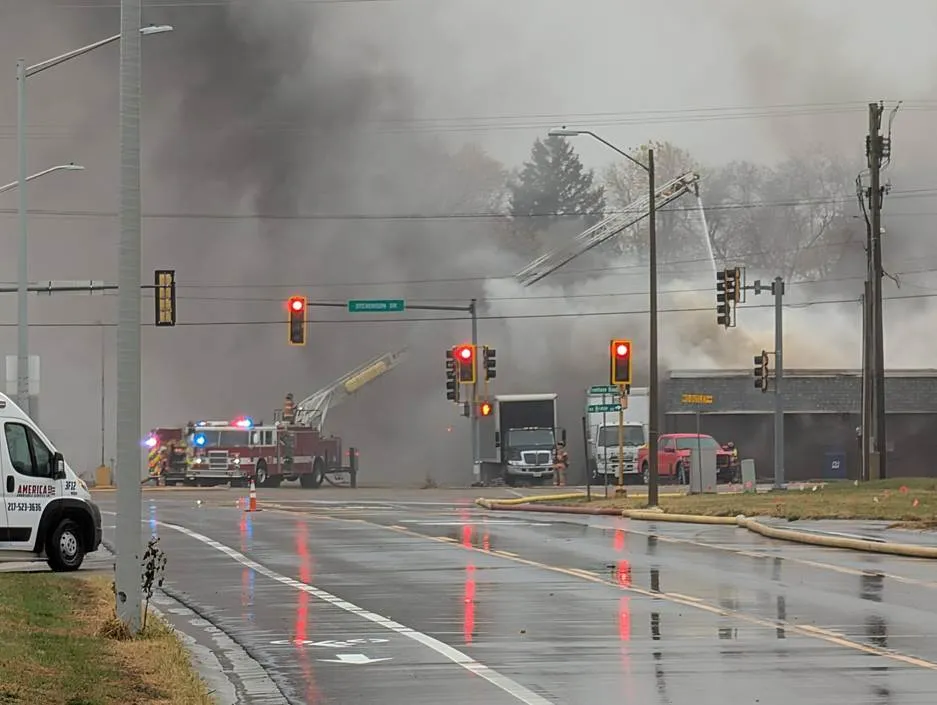
The fire originated at an electronics recycling and computer refurbishment business within the Laketown Shopping Center on Stevenson Drive. Firefighters passing the property noticed smoke at approximately 7:50 a.m. and initiated a response that quickly escalated to a Code 2 incident, requiring additional personnel and apparatus.
As the fire intensified, sections of the roof began collapsing, complicating firefighting operations. Crews continued working throughout the day to extinguish remaining hot spots. The electronics recycling business reportedly sustained a near-total loss, while adjoining commercial spaces suffered additional damage. The cause remains under investigation.
Electronics recycling operations can pose elevated fire hazards due to combustible plastic housings, packaging materials, electrical components, and potentially lithium-ion batteries. Damaged or improperly stored lithium-ion batteries can experience thermal runaway, producing intense heat and potentially igniting surrounding combustibles. However, investigators have not identified batteries or any other specific ignition source in this incident.
The damage to adjoining businesses also raises concerns about fire separation in multi-tenant commercial buildings. Fire-rated tenant separations, concealed ceiling spaces, unprotected wall penetrations, and roof assemblies can significantly influence fire spread. Whether these conditions contributed to the Springfield loss has not been established, and the presence or adequacy of automatic sprinkler protection has not been publicly confirmed.
Property Loss & Insurance Implications
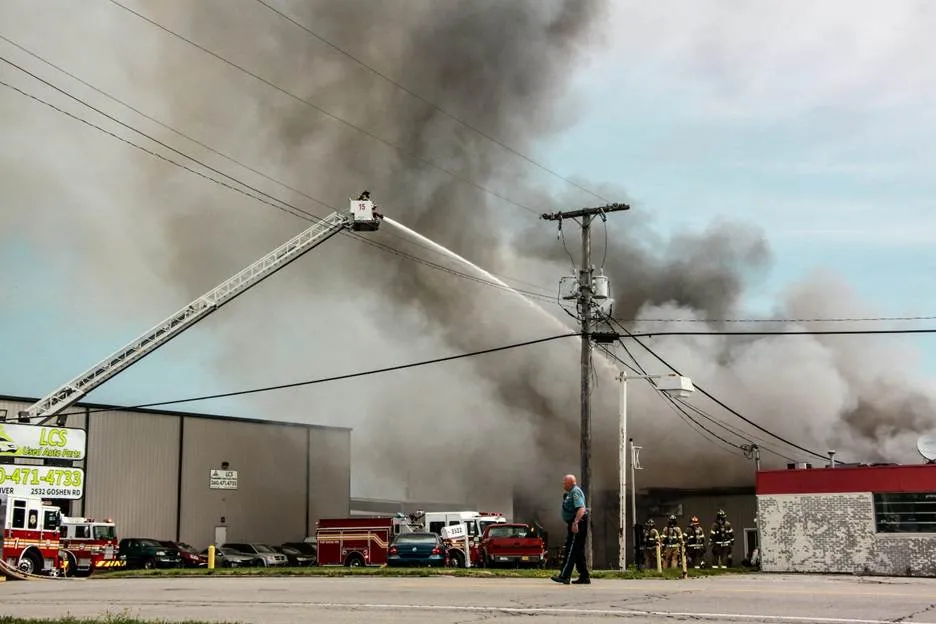
A fire originating in one tenant space can quickly become a multi-tenant property loss, especially when businesses share structural systems, roof assemblies, and utility infrastructure. Even where flames remain largely contained, smoke, water damage, and interrupted utilities can affect neighboring tenants. Property owners and insurers must consider the potential aggregation of building damage, business personal property losses, business interruption, and lost rental income.
NFPA 13, Standard for the Installation of Sprinkler Systems, and NFPA 25, Standard for the Inspection, Testing, and Maintenance of Water-Based Fire Protection Systems, provide important guidance for sprinkler protection and reliability. NFPA 80 and NFPA 221 address fire doors and fire-resistive wall assemblies, while FM Data Sheet 1-42, Maximum Foreseeable Loss Limiting Factors, provides guidance relevant to limiting property loss through subdivision.
Key property loss prevention measures include:
-
Evaluate automatic sprinkler protection: Verify that sprinkler system design, water supply, and coverage are adequate for actual tenant operations and combustible loading.
-
Maintain fire-rated separations: Inspect tenant demising walls, concealed spaces, penetrations, and fire doors to identify potential pathways for fire spread.
-
Control combustible storage: Establish appropriate storage arrangements and separation for electronic waste, plastics, packaging, and other combustible materials.
-
Manage lithium-ion battery hazards: Where batteries are handled, establish procedures for identifying, segregating, and safely storing damaged or potentially defective batteries.
-
Review tenant occupancy changes: Require property owners to evaluate changes in tenant operations, storage quantities, and fire hazards before occupancy or material changes in use.
Risk Logic Perspective: Multi-Tenant Fire Protection
The Springfield fire reinforces the importance of evaluating an entire commercial property rather than assessing individual tenant spaces independently. A higher-hazard occupancy can expose adjacent businesses to fire and smoke damage even when those tenants maintain relatively low combustible loading.
Property owners should conduct periodic risk engineering assessments to verify tenant separation integrity, sprinkler adequacy, and fire detection capabilities. These assessments should include inspections above suspended ceilings, verification of firestopping, preventive maintenance of fire protection systems, and reviews of tenant-specific combustible hazards.
Risk Logic's technical article on protection of penetrations and firestopping materials provides additional guidance on maintaining fire-resistive separations.
Risk Logic engineers help property owners and insurers evaluate fire spread exposures, assess sprinkler protection, and implement practical loss prevention improvements. Contact Risk Logic to learn more about engineering-based property risk assessments.
Bottom Line: Effective fire separation, adequate sprinkler protection, and careful tenant hazard management are essential to preventing a single-tenant fire from becoming a multi-property loss.