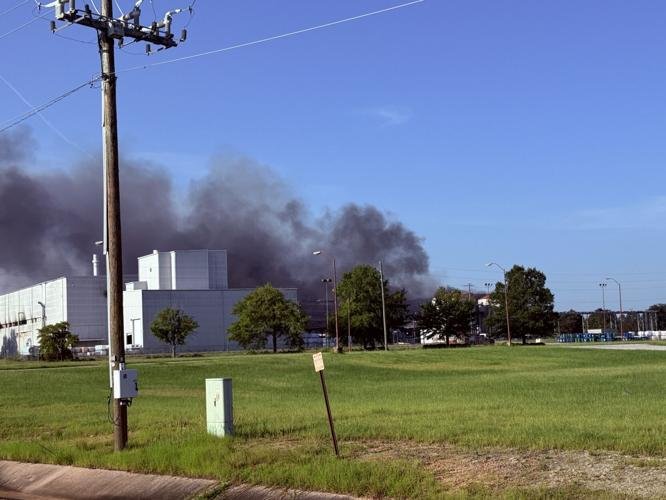
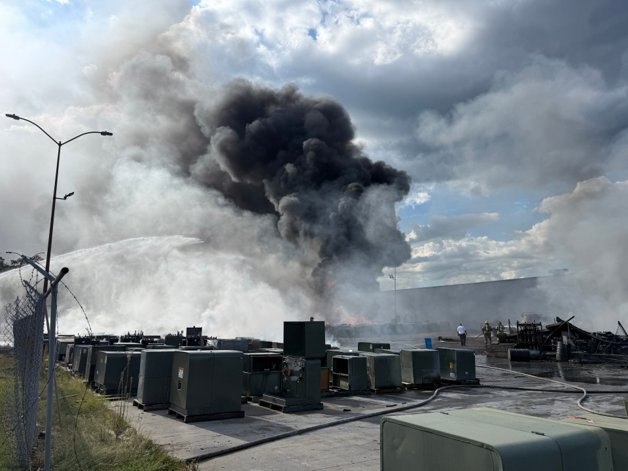
Apartment Fire Protection: Lessons from the Wesley Chapel Incident
A lightning-triggered three-alarm fire at a Florida complex highlights how combustible concealed spaces and delayed detection can turn a weather event into a total building loss.
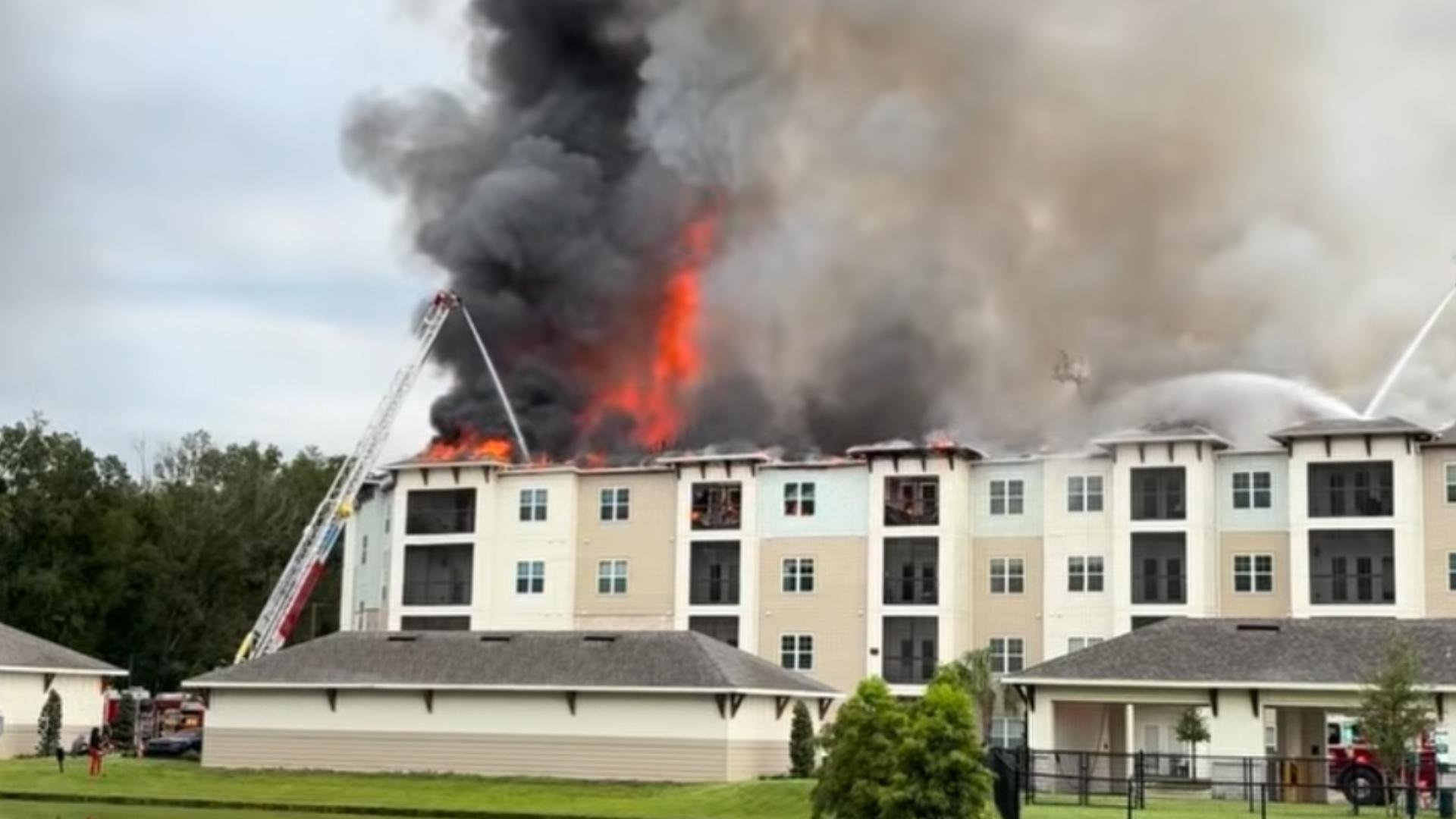
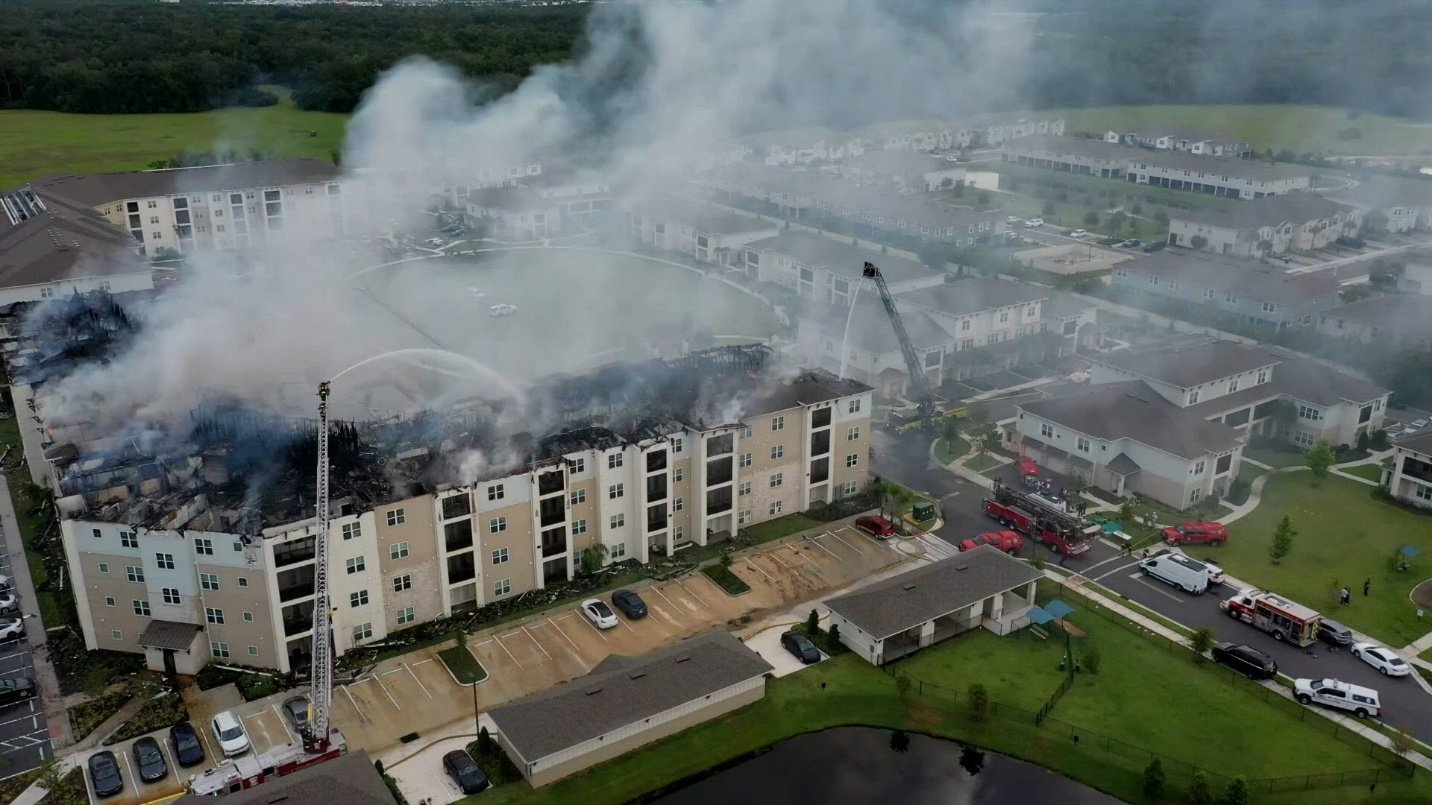
Implementing robust apartment fire protection requires addressing severe lightning risks, early detection gaps, and structural exposures. A lightning strike caused a three-alarm fire at the Cobalt Apartments in Wesley Chapel, Florida, on August 20, 2026, destroying a four-story apartment building and displacing approximately 200 residents. Pasco County Fire Rescue confirmed the lightning ignition using weather reports, doorbell camera footage, and information from the Florida State Fire Marshal’s Office. Firefighters evacuated more than 90 units, and no residents or firefighters were reported injured. The Wesley Chapel incident demonstrates how lightning exposure combined with combustible construction and delayed detection can escalate into a major property loss.
Incident Overview & Apartment Fire Protection Risks
Firefighters arrived to find heavy smoke and flames extending from the roof. According to Pasco County Fire Rescue Chief Ryan Guynn, the fire had approximately a 25-minute head start before 911 was called and was burning above much of the building’s detection equipment. Crews ultimately contained the fire to the involved building, but portions of the wood-frame structure and floors collapsed, and the building was declared a total loss.
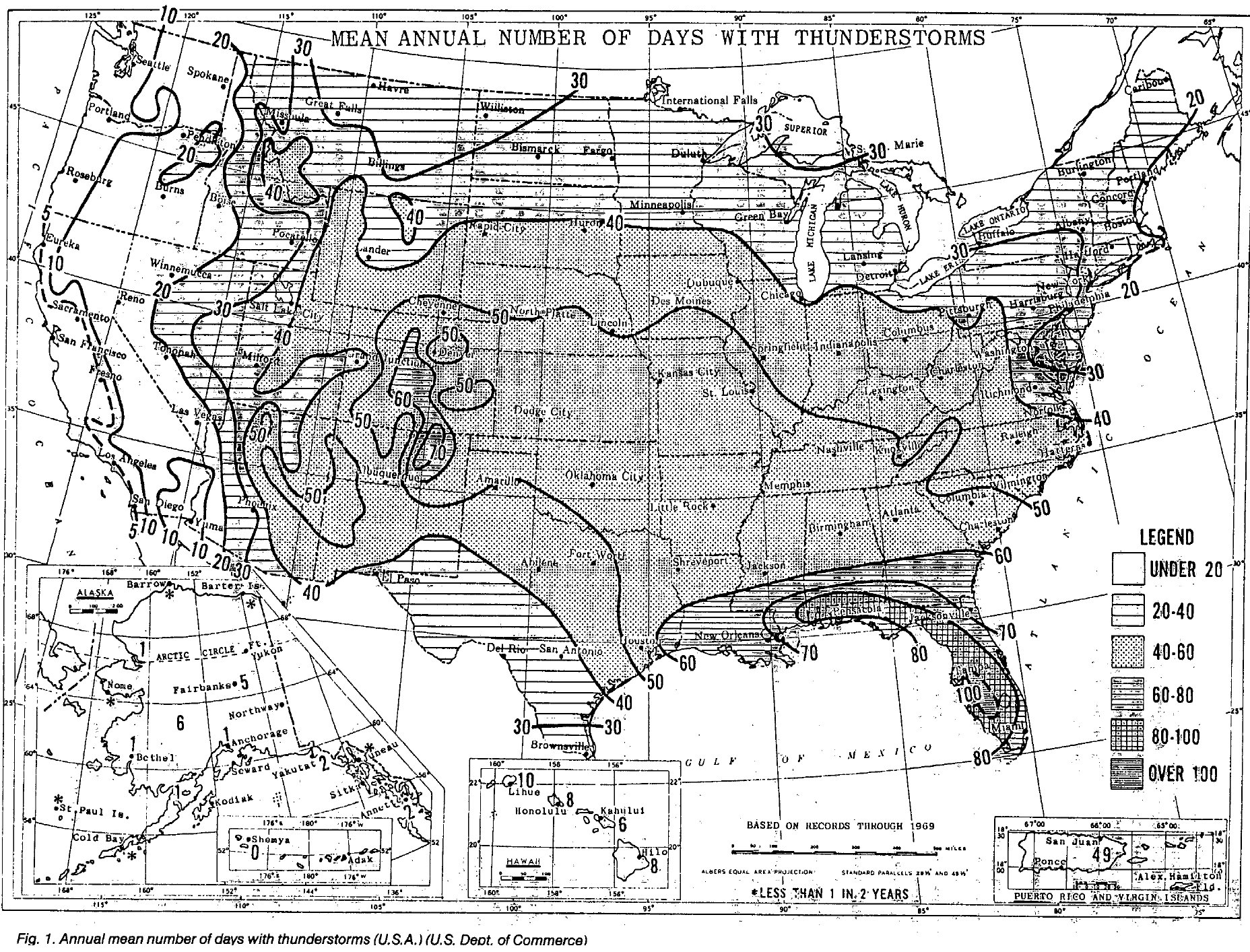
Lightning is a particularly important property exposure in west-central Florida. FM Property Loss Prevention Data Sheet 5-11, Lightning and Surge Protection, includes an isokeraunic map showing the Wesley Chapel and Tampa Bay region within an area experiencing approximately 80 to 100 days with thunderstorms annually. This figure represents thunderstorm days, rather than 80 to 100 individual lightning strikes. FM identifies locations with more than 40 thunderstorm days per year as having severe lightning exposure for certain electrical protection applications.
Once a lightning-initiated fire enters a combustible roof or attic space, fire growth in combustible concealed spaces can become difficult to detect and control. Concealed combustible framing can permit fire to travel beyond occupied spaces, while lightweight wood structural members can lose capacity as fire exposure develops. In this incident, the advanced roof fire and deteriorating structural conditions significantly complicated firefighting operations.
Property Loss & Insurance Implications
Installing a certified lightning protection system should be considered an integral component of overall apartment fire protection in areas with frequent severe weather. FM Data Sheet 5-11 directs users to UL 96A for lightning protection requirements applicable to ordinary buildings and references NFPA 780, Standard for the Installation of Lightning Protection Systems, for system design criteria. FM guidance also emphasizes proper grounding, short and direct grounding connections, and appropriately located surge arresters to control damaging lightning-induced overvoltages.
Property owners and risk managers in high-lightning regions should evaluate key controls for effective apartment fire protection:
- Lightning protection systems designed and installed in accordance with applicable UL 96A and NFPA 780 guidance.
- Proper bonding and grounding of lightning protection components and building systems.
- Comprehensive surge protection for electrical distribution, fire alarm, communications, HVAC controls, and other sensitive equipment.
- Annual visual inspection of grounding connections, with periodic testing as appropriate.
- Fire detection coverage within combustible concealed spaces, specifically roof and attic areas where a fire could develop before occupied-area detection responds.
- Sprinkler protection and fire compartmentation of combustible concealed spaces, particularly where code-minimum protection may prioritize life safety rather than property conservation.
FM loss experience reinforces that lightning is not only an electrical equipment exposure. Data Sheet 5-11 identifies building and property fire damage, transformer losses, switchgear damage, control-system losses, and other significant events associated with lightning strikes.
Risk Logic Perspective: Lightning and Concealed-Space Fire Risk
Achieving long-term apartment fire protection in lightning-prone regions requires proactive engineering rather than treating severe weather as an unavoidable loss. A property risk assessment should evaluate local lightning exposure, roof and structural combustibility, combustible concealed spaces, a proper lightning protection system, grounding and bonding, surge protection, fire detection, and sprinkler coverage as an integrated system.
For multifamily, commercial, and institutional properties, particular attention should be given to fires that can originate above normal detection and suppression coverage. Periodic engineering surveys can identify these gaps and determine whether enhanced detection, sprinkler protection, compartmentation, lightning protection, or electrical surge protection is warranted.
Risk Logic engineers help property owners and insurers evaluate lightning, fire protection, combustible construction, and electrical exposures and develop practical loss prevention recommendations. Contact Risk Logic to discuss property risk engineering and protection strategies, or learn more about structural hazards in our combustible commodity guidance.
Bottom Line: In high-lightning regions such as west-central Florida, effective lightning protection and protection of combustible concealed spaces can help prevent a single lightning strike from developing into a building-wide property loss.