Mattress Factory Fire Protection: Lessons from the Winnsboro Incident
A devastating total-loss fire at a South Carolina manufacturing plant highlights the severe hazards of expanded foam, conveyor operations, and reignition risks in large combustible occupancies.
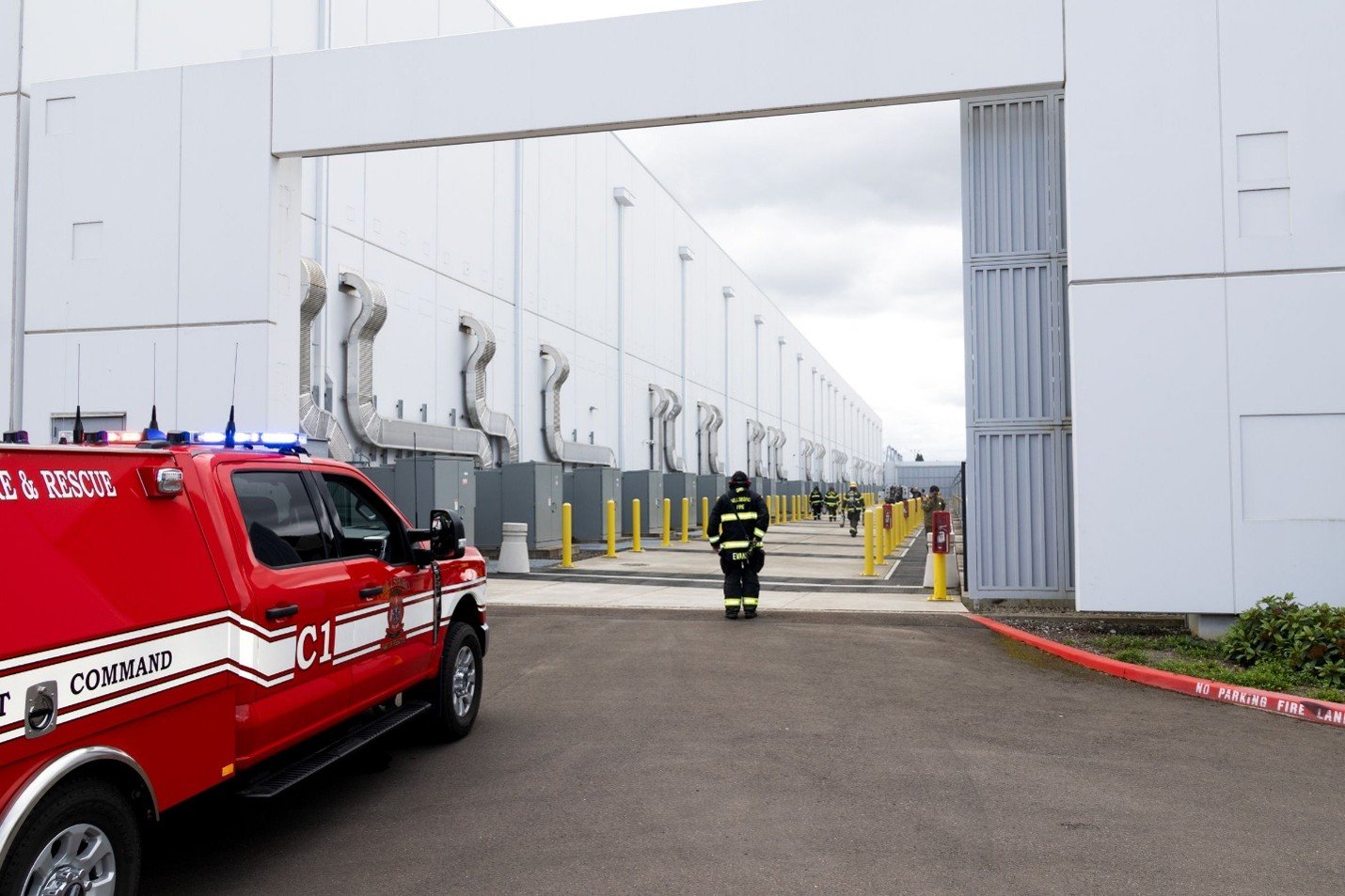
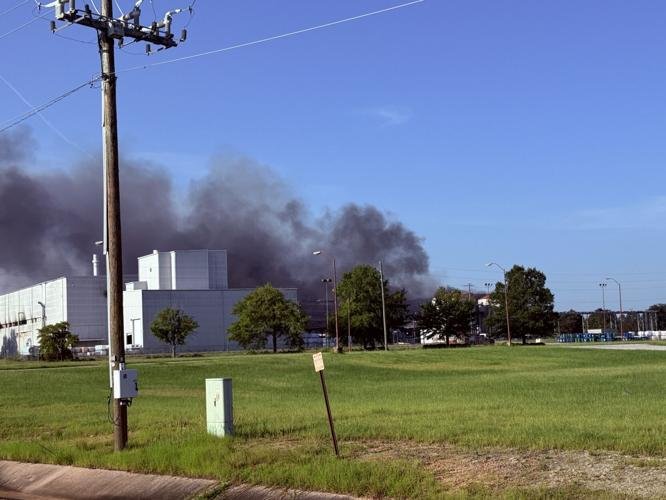
Implementing effective mattress factory fire protection requires evaluating the unique combination of expanded foam commodities, conveyor operations, and massive combustible storage. A severe fire at a mattress manufacturing plant in Winnsboro, South Carolina, demonstrates the potential for total property loss in large manufacturing occupancies when these hazards align. The Winnsboro mattress factory fire began on August 16, 2026, after firefighters responded to a fire alarm and reports of a chemical odor at the facility. Officials reported that a conveyor and foam product were burning, prompting a multi-agency response that included hazardous materials resources. Employees were safely evacuated, and no employees were injured.
Firefighters initially confined the fire to a limited area and had it under control by Sunday evening. Around 11:30 p.m., however, the fire reignited and spread through much of the plant. Crews contained the fire again Monday morning before another outbreak sent fire through the roof, and officials subsequently declared the approximately 650,000-square-foot facility a total loss. Nearly 150 firefighters and extensive apparatus were ultimately deployed, while environmental agencies monitored air quality and firefighting runoff.

Incident Overview & Mattress Factory Fire Protection Risks
The Winnsboro plant opened in 2019 and manufactured mattresses, springs, and proprietary memory foam, illustrating the complex mix of manufacturing processes, conveyors, work-in-process (WIP) materials, and combustible polyurethane foam storage that exists within a modern facility.
Foam mattresses represent a significant challenge for mattress factory fire protection. FM Property Loss Prevention Data Sheet 8-1, Commodity Classification, specifically classifies foam mattresses and polyurethane foam as expanded plastic commodities, among the most demanding storage hazards from a sprinkler protection standpoint. NFPA 13, Standard for the Installation of Sprinkler Systems, similarly recognizes expanded Group A plastics as requiring specialized sprinkler designs based on storage arrangement, storage height, ceiling height, and packaging.
The reported involvement of a conveyor also warrants attention, highlighting the need for rigorous conveyor fire safety. Conveyors introduce motors, bearings, friction points, electrical equipment, and moving combustible material that can provide both an ignition source and a rapid pathway for fire spread. The repeated reignitions further demonstrate the difficulty of confirming complete extinguishment where foam products, accumulated material, concealed areas, or damaged equipment retain heat.
Public reporting has not established whether automatic sprinklers operated, were impaired, or were adequate for the actual hazard. The cause of the fire also remains under investigation. Those unknowns should remain separate from the broader engineering lessons of the loss.
Property Loss & Insurance Implications
The scale of the Winnsboro loss illustrates why mattress and foam manufacturing facilities require protection based on every expanded foam fire hazard and process risk, rather than general manufacturing occupancy standards alone.
Key loss prevention controls for comprehensive mattress factory fire protection should include:
Verify sprinkler design against actual foam, mattress, packaging, storage height, and storage arrangement(s).
Maintain storage heights, aisles, and flue spaces within the limitations of the approved fire sprinkler design.
Inspect conveyor motors, bearings, belts, electrical components, and automatic shutdown interlocks through a documented preventive maintenance program.
Control foam and other combustible work-in-process accumulation around production equipment and conveyors.
Maintain fire pumps, water supplies, alarms, valves, and sprinkler systems through rigorous inspection, testing, and impairment management.
Establish post-fire procedures using thermal imaging, extended fire watch, overhaul, and follow-up inspections to identify concealed or deep-seated heat before normal operations resume.
Business interruption impacts in these scenarios are also significant. The operating company activated its business continuity plan and announced plans to increase production capacity at its Glendale, Arizona facility by approximately 50 percent over the next 60 days. That response demonstrates the vital importance of geographic production redundancy, alternate manufacturing capacity, and pre-loss recovery planning when a major facility becomes unavailable.
Risk Logic Perspective: Expanded Foam Manufacturing and Storage
Achieving robust mattress factory fire protection requires an integrated review of both production and polyurethane foam storage hazards. Risk assessments should thoroughly examine foam quantities, work-in-process locations, conveyor systems, ignition controls, storage arrangements, sprinkler design criteria, water supply reliability, and the potential for fire to spread between manufacturing and warehouse areas.
Changes in production volume can be especially critical. Adding equipment, increasing WIP, raising storage heights, or converting floor areas to temporary foam storage can create an expanded foam fire hazard that exceeds the original sprinkler system design. Risk Logic has previously addressed these issues in its technical guidance on fire protection for mattress storage, where exposed expanded plastic commodities require particularly careful protection analysis.
Risk Logic engineers help manufacturers and warehouse operators evaluate combustible commodities, process hazards, sprinkler systems, water supplies, and business interruption exposures. Contact Risk Logic to identify fire protection vulnerabilities and develop practical property loss prevention strategies.
Bottom Line: The Winnsboro mattress factory fire demonstrates how expanded foam, process equipment, and persistent hidden fire can turn a localized manufacturing incident into a total property loss.