Du Quoin Lumber Fire Highlights Exposure and Firefighting Water Supply Risks
A five-alarm fire in Du Quoin, Illinois destroyed multiple commercial properties, underscoring the critical risks of exterior fire exposure, high combustible yard storage loading, and demanding firefighting water supply requirements.
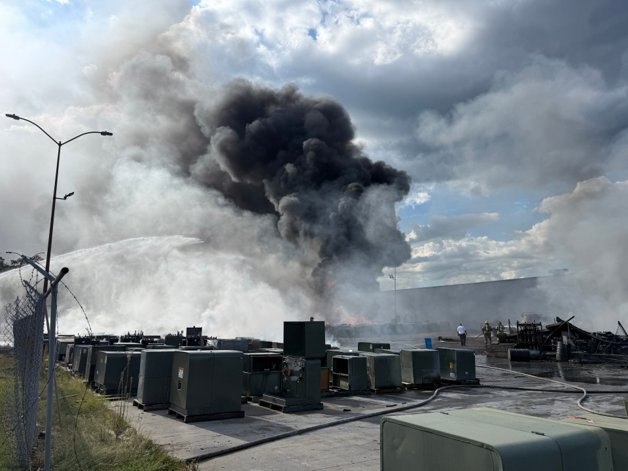
On September 2, 2026, a five-alarm fire swept through a commercial block in downtown Du Quoin, Illinois, resulting in the complete loss of Home Lumber Co., BJ’s Garden and Cafe, and Croessmann Wholesale. The Du Quoin lumber fire was reported at approximately 1:25 p.m., and first-arriving firefighters encountered flames in the lumber yard area with fire already threatening surrounding buildings. Approximately 34 fire departments ultimately participated in the response, while nearby businesses were evacuated and rail operations through the area were temporarily halted.
The latest detailed reporting indicates one person was injured, although it was unclear whether the injury was directly related to the fire or another medical emergency. The Illinois State Fire Marshal and the Bureau of Alcohol, Tobacco, Firearms and Explosives are investigating. While firefighters initially encountered flames in the lumber yard, officials have not confirmed that Home Lumber was the point of origin, and the cause remains undetermined.

Incident Overview & Du Quoin Lumber Fire Risk Factors
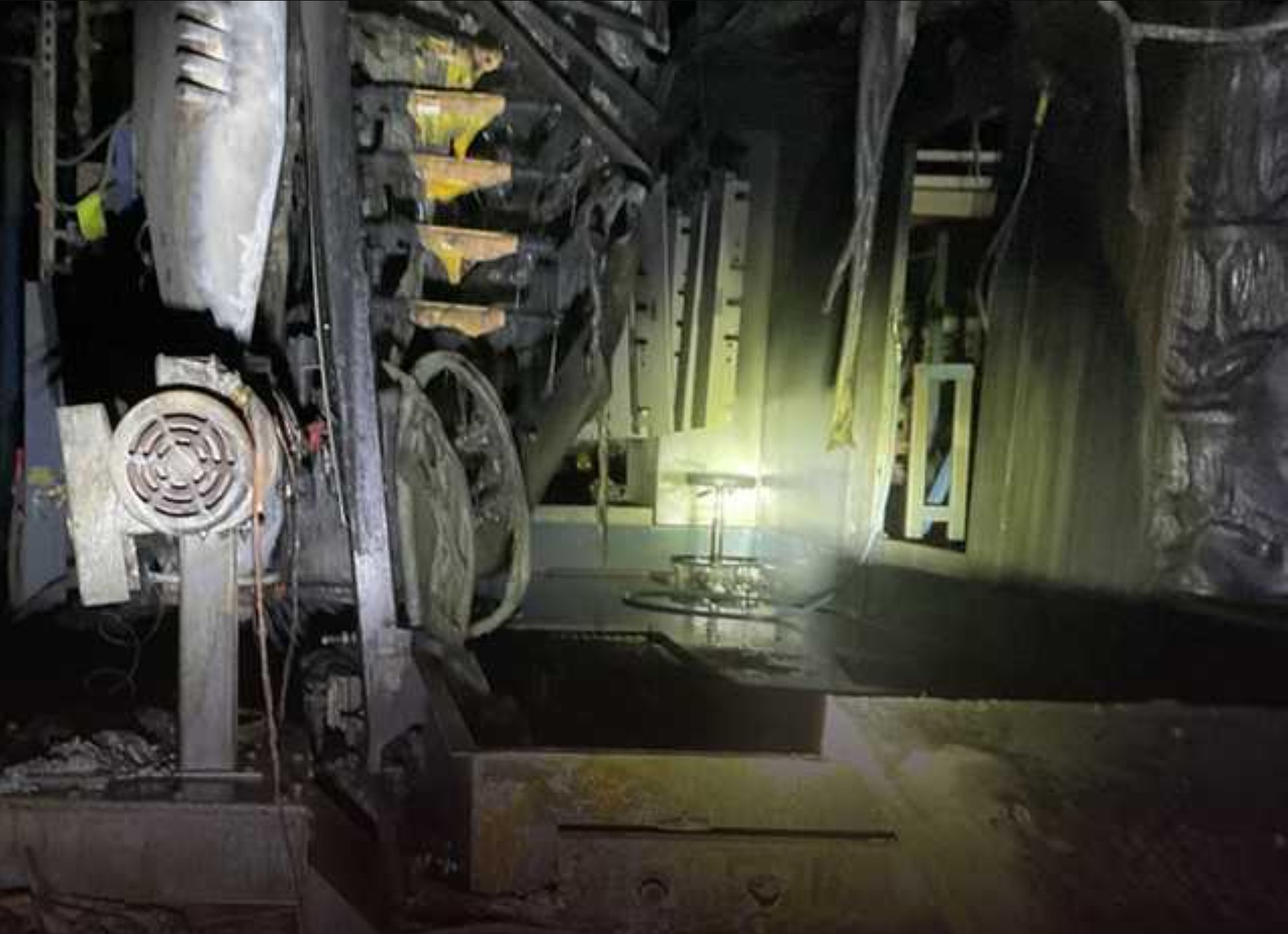
The loss demonstrates how quickly a fire involving a high concentration of combustible materials can transition from a single-property event into a multi-building exposure fire. Firefighters reported flames extending over buildings when they arrived, and surrounding occupancies were already being exposed. Home Lumber, BJ’s Garden and Cafe, and Croessmann Wholesale were ultimately reported as complete losses, while additional properties sustained varying levels of damage.
Lumber and other wood products can create a significant sustained fire load. Once a developed fire involves large quantities of exposed wood, radiant heat, direct flame impingement, and windborne embers can threaten neighboring buildings, particularly where commercial properties are closely spaced. Risk Logic's article on Protection Against Exterior Fire Exposure discusses the importance of evaluating building separation, exterior wall construction, openings, and combustible yard storage when assessing these exposures.

Property Loss & Insurance Implications of the Du Quoin Fire
Water supply became a major operational issue during the Du Quoin fire. Firefighters drew more than 400,000 gallons from a nearby lake, with officials estimating that total water consumption approached one million gallons. Water-supply task forces shuttled water, residents were asked to conserve municipal water, and Canadian National assisted responders in establishing an additional water-supply route beneath railroad tracks.
For property owners and insurers, the event reinforces that adequate fire protection extends beyond the boundaries of an individual building. FM Data Sheet 1-20, Protection Against Exterior Fire Exposure, specifically addresses exposure from adjacent buildings and combustible yard storage and provides guidance for determining appropriate separation and exterior protection.
Key loss-prevention measures include:
Evaluate combustible outdoor storage and maintain adequate separation from buildings and neighboring properties.
Provide automatic sprinkler protection appropriate for the occupancy, commodity, storage arrangement, and height in accordance with NFPA 13 and applicable FM guidance.
Maintain sprinkler systems and water supplies through inspection, testing, and preventive maintenance.
Evaluate exterior walls, windows, doors, and other openings where neighboring buildings create significant exposure.
Confirm hydrant locations, available fire flow, fire department connections, apparatus access, and alternate water supplies.
Conduct pre-incident planning with the responding fire department, particularly for facilities with high combustible loading.
For additional guidance on wood-product occupancies, Risk Logic's Property Loss Prevention Measures at Sawmills discusses sprinkler protection, fire hydrant access, combustible accumulations, and other loss-prevention considerations applicable to facilities handling significant quantities of wood products.
Risk Logic Perspective: Exposure Fire and Combustible Storage
Property risk assessments should consider not only how a fire could develop within a facility, but also what happens after fire extends beyond the building of origin. Closely spaced properties, combustible yard storage, inadequate exterior protection, and limited firefighting water can turn an otherwise localized event into a multi-property loss.
Risk engineering inspections can identify these conditions before a loss by reviewing combustible storage arrangements, sprinkler adequacy, exterior exposures, water supplies, fire department access, and emergency planning. Preventive maintenance and periodic reassessment are particularly important when storage quantities, occupancies, or neighboring properties change.
Risk Logic engineers help facility owners and insurers identify combustible storage, fire protection, water supply, and exterior exposure vulnerabilities before they contribute to a major property loss. Contact Risk Logic for additional information.
Bottom Line: High combustible loading combined with close property exposures and demanding firefighting water requirements can allow one fire to become a multi-property loss within minutes.