Machine Fire Highlights Static Electricity Risk and Sprinkler Performance
An investigation into a machine fire in Maine revealed static electricity as the ignition source, reinforcing the necessity of proper bonding, grounding, and automatic sprinkler protection in manufacturing facilities.
A September 9, 2026, machine fire in Rockland, Maine, shows how basic ignition controls and reliable automatic fire protection can determine whether an industrial fire stays manageable or becomes a major property loss. The machine fire highlights static electricity risk and sprinkler performance, particularly in manufacturing operations where machinery, electrical equipment, combustible materials, and production processes coexist.
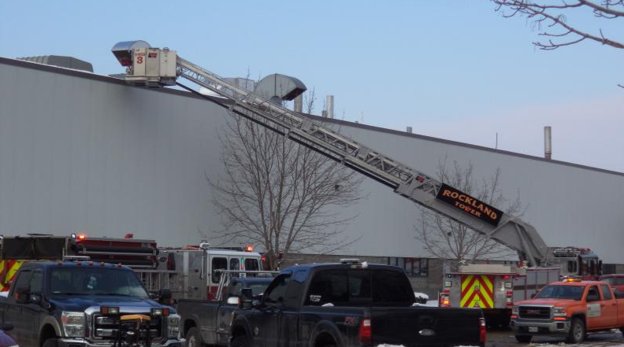
At approximately 6:19 a.m., an alarm-monitoring company notified the Knox County Regional Communications Center after the facility’s fire alarm and sprinkler system activated. Employees also activated a manual pull station and evacuated the building. Rockland firefighters arrived about five minutes later and found an active fire involving a piece of manufacturing machinery. No injuries were reported.
Incident Overview & Static Electricity Risks
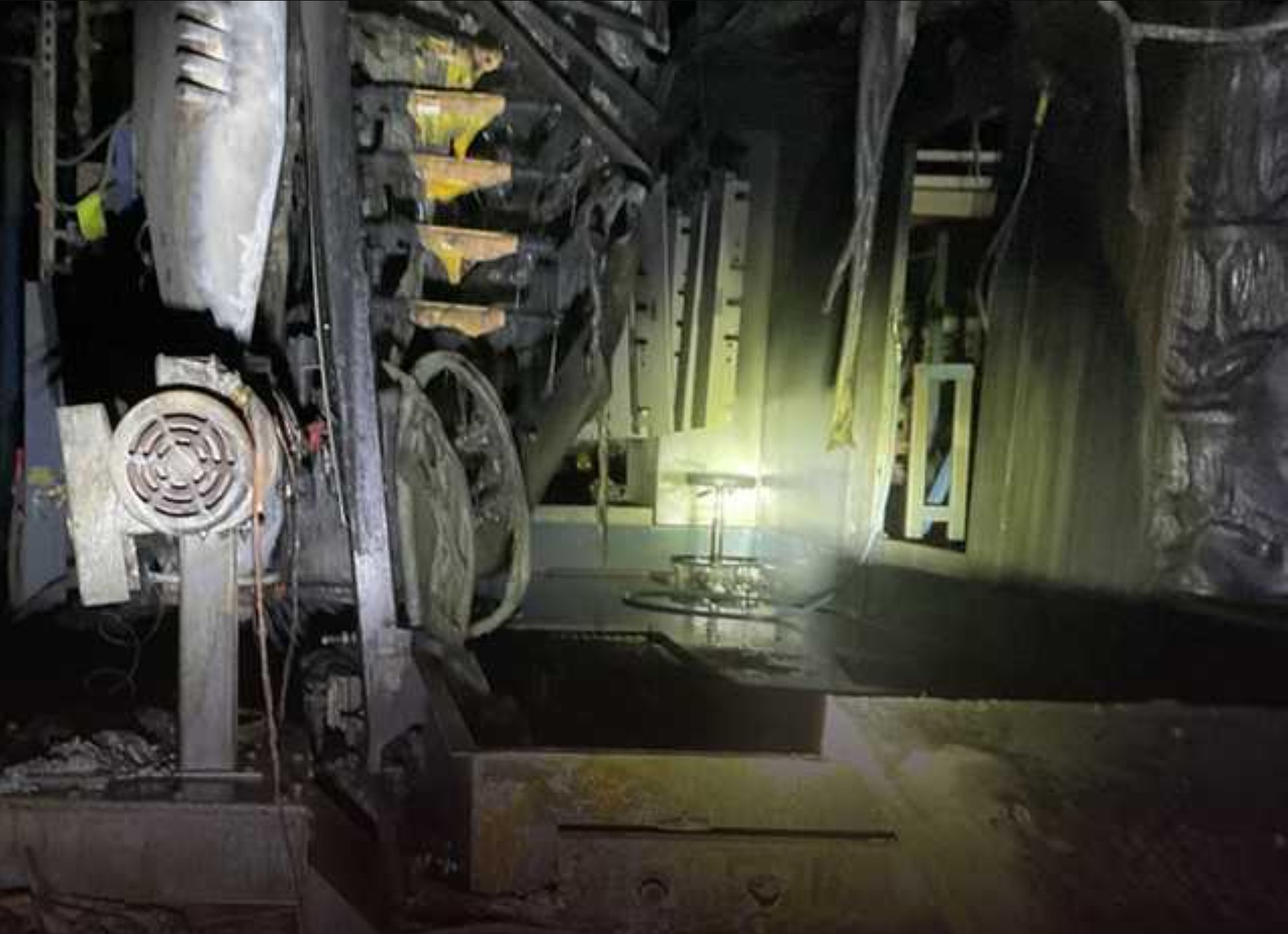
Rockland Fire Chief Chris Whytock reported that an investigation by the Maine State Fire Marshal’s Office determined the cause was a loss of grounding combined with static electricity within the machine. Static charges can accumulate on isolated conductive components and discharge as sparks when an adequate path to ground is unavailable. Where combustible material is present, that discharge can become an ignition source.
FM Property Loss Prevention Data Sheet 5-8, Static Electricity, addresses this exposure. FM recommends bonding isolated conductive machine components together and grounding equipment where static electricity could create an ignition hazard. Bonding minimizes differences in electrical potential, while grounding allows accumulated charges to dissipate before reaching a level that could produce an incendiary spark. NFPA 77, Recommended Practice on Static Electricity, similarly addresses evaluating static hazards and controlling them through process modification, bonding, and grounding.
The incident also illustrates the value of layered protection. Firefighters used approximately 600 gallons of water and three extinguishers during extinguishment and overhaul. The fire chief specifically credited rapid alarm notification, sprinkler operation, employee cooperation in securing utilities, and mutual-aid response with preventing a more serious loss.
Property Loss & Insurance Implications
Manufacturing machinery can represent both an ignition source and a significant business interruption exposure. A comparatively small equipment fire can damage adjacent production lines, electrical distribution, utilities, controls, tooling, or building infrastructure. Smoke contamination can further extend cleanup and production downtime beyond the directly burned area.
The loss reinforces several practical controls:
-
Inspect bonding and grounding connections on machinery where static accumulation is credible, particularly after equipment modifications, maintenance, or relocation.
-
Verify electrical continuity and correct damaged, loose, corroded, or disconnected grounding components.
-
Evaluate process changes that introduce new materials, equipment speeds, belts, hoses, dusts, liquids, or other conditions capable of increasing static generation.
-
Maintain automatic sprinkler protection appropriate for the occupancy and surrounding hazards, and inspect and test water-based systems in accordance with NFPA 25.
-
Maintain supervised fire alarms and central-station notification to minimize response time.
-
Train employees in emergency shutdown and utility-isolation procedures without delaying evacuation or fire department response.
The event also reinforces a point discussed in Risk Logic’s Fire Safety Systems for Industrial Occupancies: properly designed and maintained sprinkler systems remain one of the most important safeguards against severe industrial fire losses.
Risk Logic Perspective: Static Electricity and Machinery Fire
Static-electricity hazards are easy to overlook because grounding connections and bonding conductors can appear secondary to the production equipment itself. Risk assessments should verify that protective features installed with machinery remain intact throughout its operating life. Preventive maintenance programs should include periodic inspection of grounding and bonding arrangements, particularly where vibration, corrosion, mechanical damage, or equipment changes could compromise continuity.
Fire protection should provide the second layer of defense when ignition prevention fails.
Risk Logic engineers help manufacturing facilities evaluate machinery hazards, electrical and static ignition exposures, sprinkler protection, and fire protection program reliability. Contact Risk Logic to discuss property loss prevention assessments and engineering support.
Bottom Line: Reliable bonding and grounding can prevent static ignition, while properly maintained automatic sprinklers provide the critical second line of defense when a machinery fire occurs.