Fire Protection Impairment Risks Highlighted in Marion VA Medical Center Blaze
Fire Protection Impairment Risks Highlighted by the Marion VA Medical Center fire, where a renovation‑phase sprinkler outage, concentrated mechanical fuel loads, and interconnected utility systems allowed a support‑area blaze to escalate into a high‑severity campus exposure.
Introduction
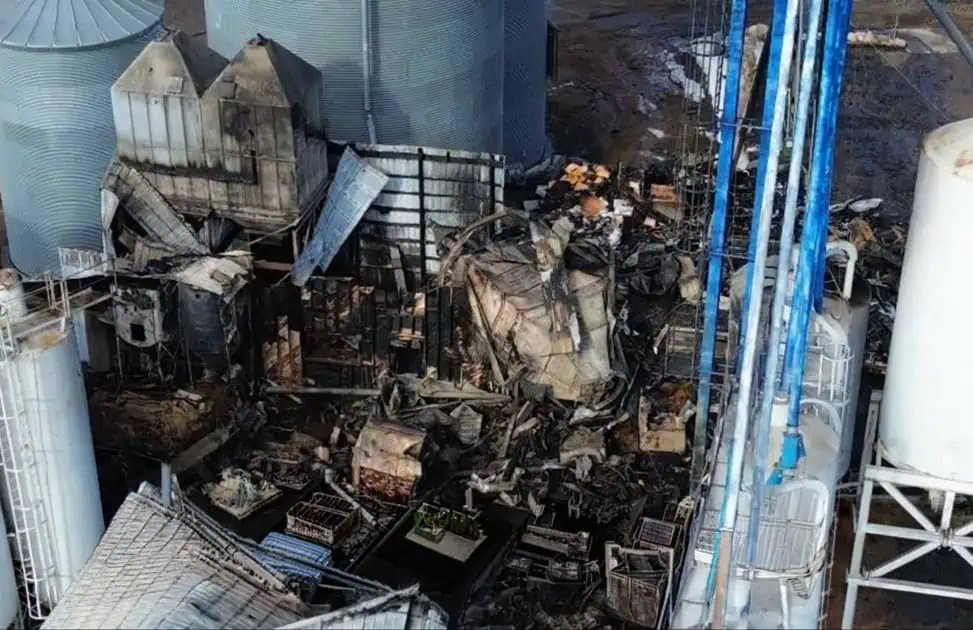
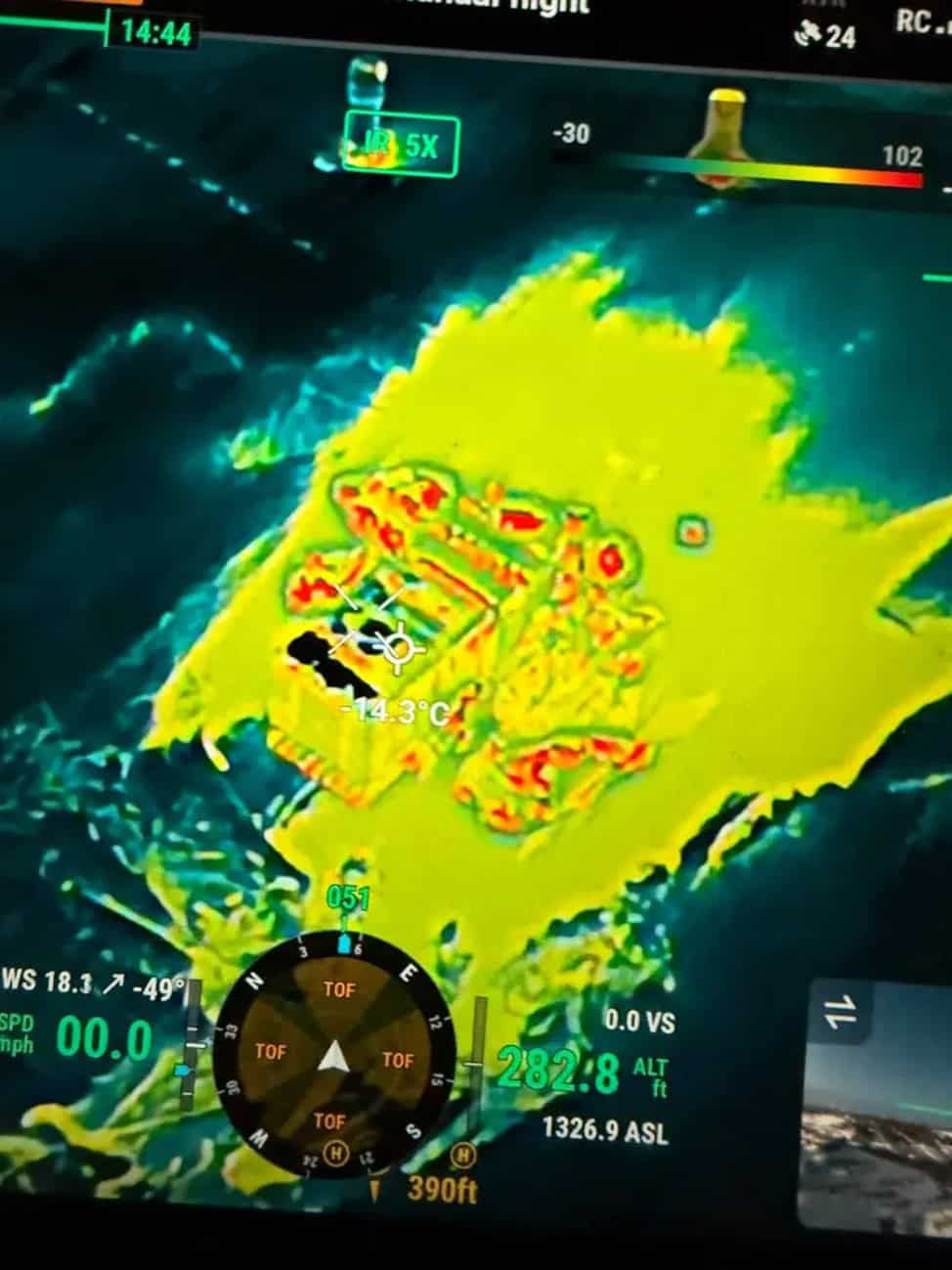
Highlighting fire protection impairment risk, on Saturday morning, February 21, 2026, a large fire erupted at the Marion VA Medical Center campus in Marion, Indiana, prompting a multi-agency response from local fire departments and emergency services. The blaze was first reported around 6:30 a.m., when crews arriving on scene encountered heavy fire involvement in several on-campus engineering buildings. Fortunately, no injuries have been reported, and hospital officials confirm that patient care operations were not disrupted by the fire.
Fire departments from Marion, Gas City, Center Township, Mill Township, and surrounding jurisdictions worked for several hours to contain the blaze, ultimately bringing it under control around midday. The cause of the fire remains under investigation by fire officials and state investigators.
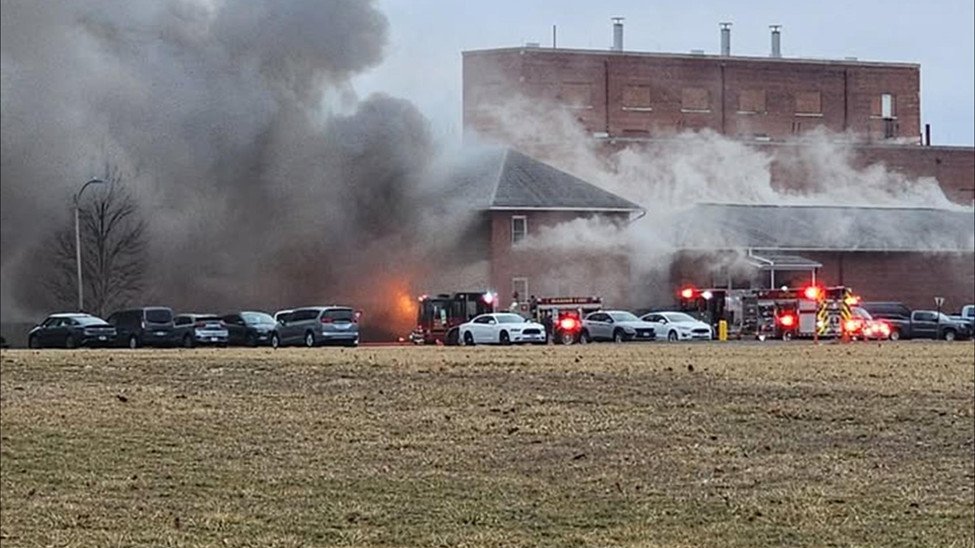 Heavy smoke and visible flame conditions at the Marion VA Medical Center engineering buildings during initial fire department response.
Incident Overview & Risk Factors
The affected structures reportedly housed engineering, mechanical, and utility infrastructure critical to campus operations. Buildings of this type typically contain boilers, chillers, electrical switchgear, piping systems, and control panels. These systems introduce ignition sources, combustible insulation, cable jacketing, lubricants, and maintenance materials that can support rapid fire development.
Renovation activity was reportedly underway in portions of the impacted area, and the automatic sprinkler system may have been temporarily disabled. Sprinkler impairments during construction represent a well-documented loss driver in institutional properties. Without automatic suppression, even a moderate ignition source can escalate into a multi-structure event before manual firefighting operations gain control.
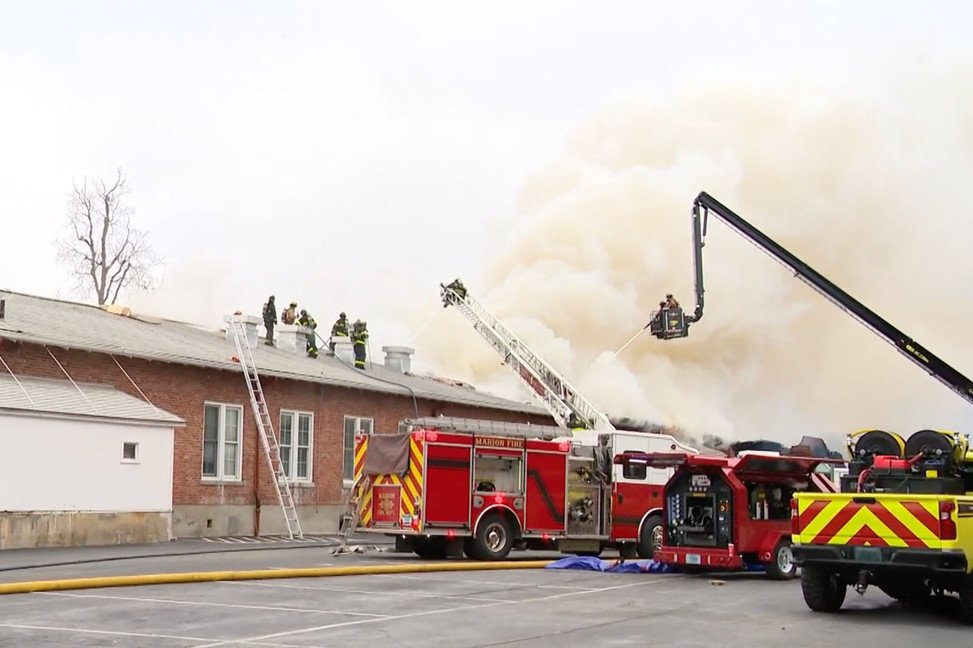 Aerial ladder operations and rooftop firefighting efforts to control fire spread across interconnected campus buildings.
Extended suppression efforts reportedly contributed to temporary water service limitations across the campus. This highlights a secondary exposure common in healthcare environments: central plant and utility buildings often serve multiple occupancies. When fire affects these nodes, the risk of operational disruption increases, even if flames are confined to support structures.
Primary risk drivers in this event likely included:
Temporary sprinkler impairment during renovation
Concentrated mechanical and electrical fuel loads
Construction-related ignition sources
Utility interdependencies across campus buildings
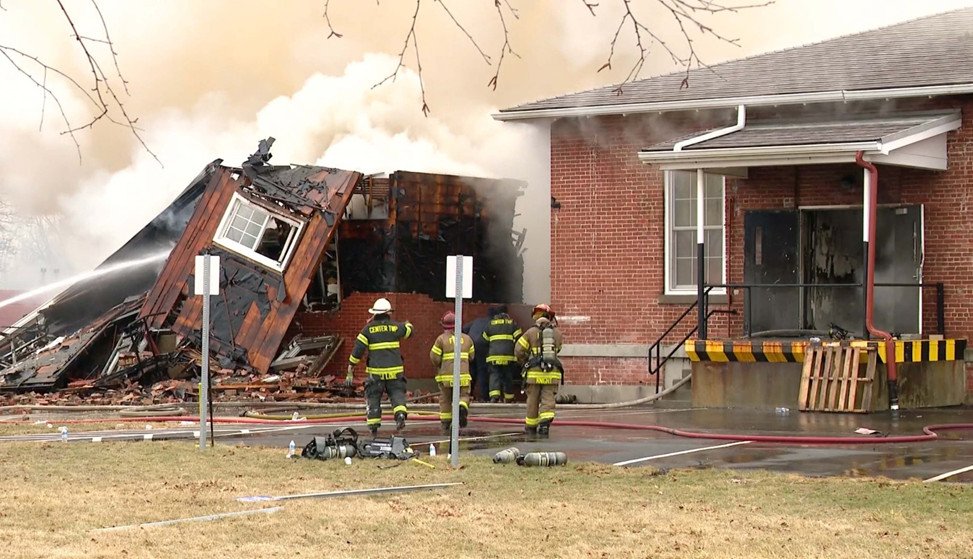 Partial structural collapse of an engineering support structure following sustained fire involvement.
Property Loss & Insurance Implications
Engineering and infrastructure buildings often contain high-value equipment and systems that are costly to replace and reinstall. Electrical distribution gear, boilers, chillers, and control systems must be rebuilt to current code requirements, increasing reconstruction costs and extending restoration timelines.
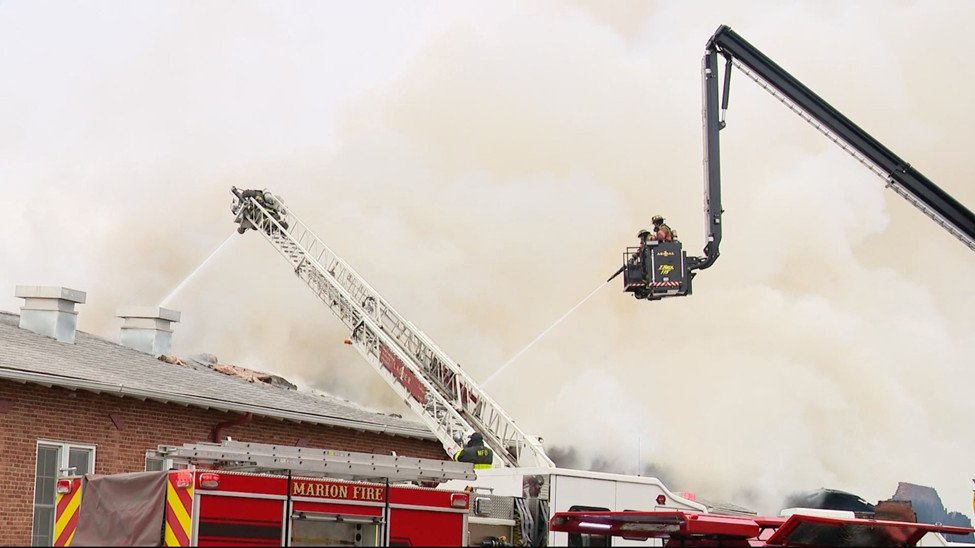 Elevated master stream operations deployed to control heavy smoke and fire conditions above the roofline.
Although patient care operations reportedly continued, insurers will likely evaluate time element exposure tied to utility disruption, reduced system redundancy, and operational strain. Even short-term water supply limitations can affect sanitation, environmental controls, and compliance requirements in healthcare facilities.
From a coverage standpoint, fire protection impairments during renovation are frequently examined under protective safeguards provisions. Carriers may require documentation of impairment permits, fire watch procedures, contractor coordination, and restoration verification. NFPA 25 outlines structured impairment management requirements, and FM guidance similarly stresses minimizing duration and implementing compensatory safeguards when systems are out of service.
Preventive measures that reduce severity in similar scenarios include:
Formal impairment authorization and tracking procedures
Continuous fire watch during sprinkler or alarm outages
Strict hot work permitting and housekeeping controls
Redundant water supply and utility planning
Pre-incident coordination with responding fire departments
Healthcare campuses must treat engineering buildings as mission-critical exposures, not secondary occupancies. Loss in these structures can ripple across the entire organization.
Risk Logic Perspective: Impairment Management in Healthcare Facilities
Impairment periods represent a temporary shift from engineered protection to administrative control. That shift requires discipline. Facilities should implement structured impairment management programs that include executive-level oversight, daily status reporting during outages, and verification testing upon restoration.
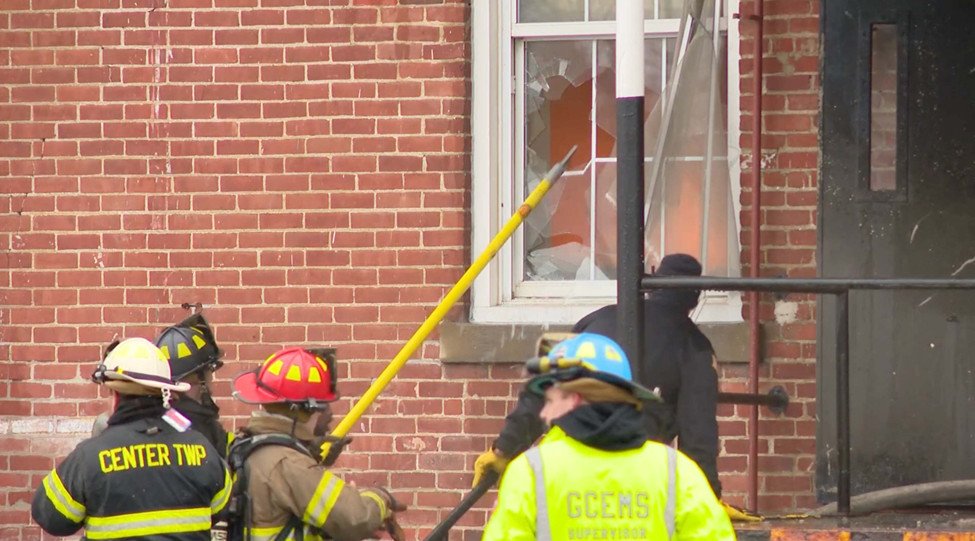 Fire crews are ventilating and accessing affected brick structures during overhaul operations.
Construction and renovation projects must integrate fire protection into the planning phase, not address it reactively. Clear communication between contractors, facility engineers, safety personnel, and insurers is essential to prevent small oversights from becoming large property losses.
Routine audits of impairment logs, training for fire watch personnel, and mapping of single points of failure within utility systems strengthen overall resilience. In complex healthcare environments, redundancy and documentation are as important as physical protection systems.
Risk Logic engineers help healthcare facilities evaluate impairment exposure, strengthen fire protection governance, and implement practical loss prevention strategies tailored to institutional risk profiles. To discuss campus fire protection planning and impairment controls, Contact Risk Logic.
Bottom Line
Renovation-related sprinkler impairments in engineering buildings can transform routine construction work into high-severity property losses unless comp