Hurricane Isaias Commercial Property Losses Highlight Roof & Building Envelope Vulnerabilities
Hurricane Isaias demonstrated how roof and building envelope failures can turn severe windstorms into massive property losses. Learn critical risk prevention strategies to protect commercial structures.
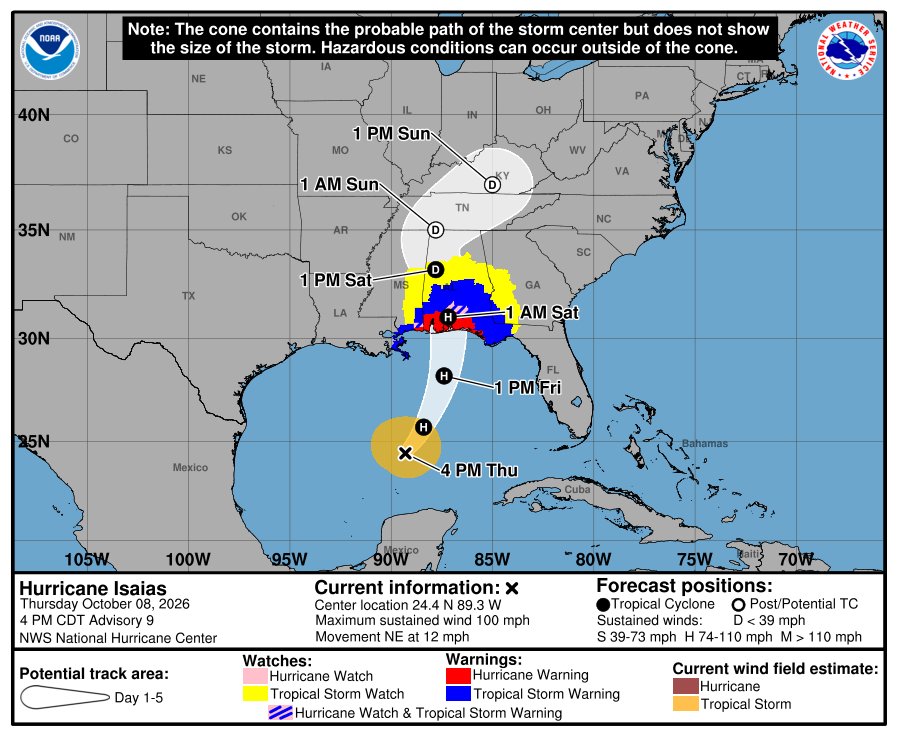
Hurricane Isaias made landfall near Destin, Florida, on October 9, 2026, as a Category 2 hurricane with maximum sustained winds of 105 mph. The Hurricane Isaias commercial property losses across the Florida Panhandle included damaged roofs, building envelopes, gas station canopies, warehouses, and other structures. The National Hurricane Center recorded a 116 mph wind gust near Santa Rosa Sound and a 100 mph gust near Pensacola, while water levels at Panama City Beach reached approximately 5.6 feet above mean higher high water.
Emergency crews conducted search-and-rescue operations, cleared roads and debris, and began widespread utility restoration following the storm. More than 400,000 Florida accounts remained without power during the initial recovery period, creating additional business interruption exposures for properties that escaped major structural damage. Florida Governor's Office Moody's estimated before landfall that 31,659 commercial properties valued at approximately $71.8 billion had a greater than 50% probability of experiencing winds of at least 50 mph, illustrating the concentration of commercial property exposed to the storm.
Incident Overview & Hurricane Risk Factors
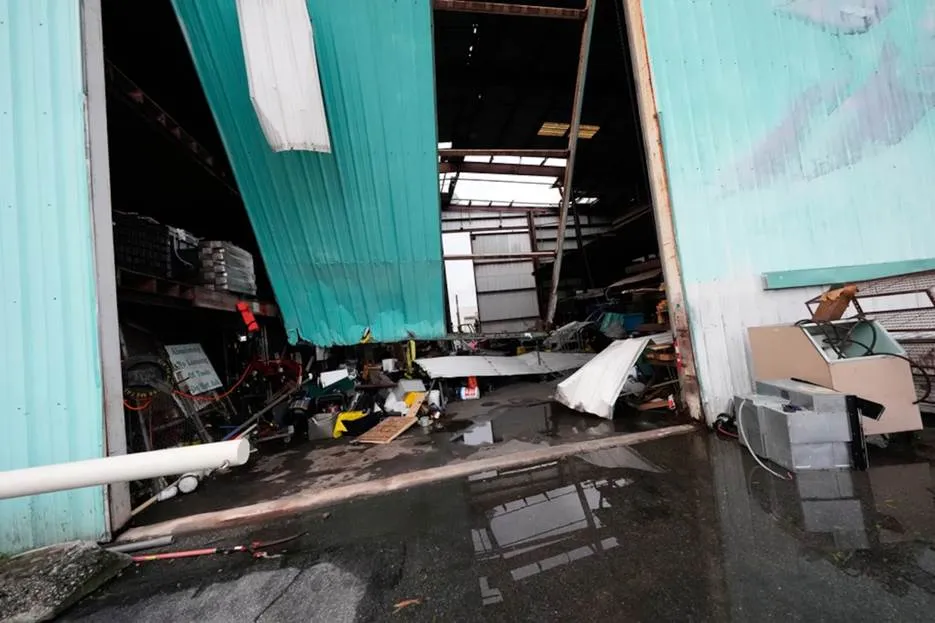
Commercial property damage following Isaias demonstrates how roof and building envelope failures can transform a wind event into a much larger property loss. Reporting from Pensacola showed a hotel roof being torn away by the storm, while damage elsewhere included a commercial warehouse in Destin and a heavily damaged gas station in East Milton.
Wind pressure is greatest at roof corners and perimeters, making roof covering attachment, flashing, edge securement, and deck attachment critical to maintaining the building envelope. Once part of a roof or exterior wall fails, wind-driven rain can enter the building and damage ceilings, electrical equipment, inventory, interior finishes, and production equipment even when the primary structural frame remains intact.
FM Data Sheet 1-28, Wind Design, provides guidance for wind pressures affecting roofs, walls, doors, windows, and roof-mounted equipment. FM Data Sheet 1-29, Roof Deck Securement and Above-Deck Roof Components, addresses roof deck attachment and above-deck components and is intended for use with Data Sheet 1-28.
Property Loss & Insurance Implications
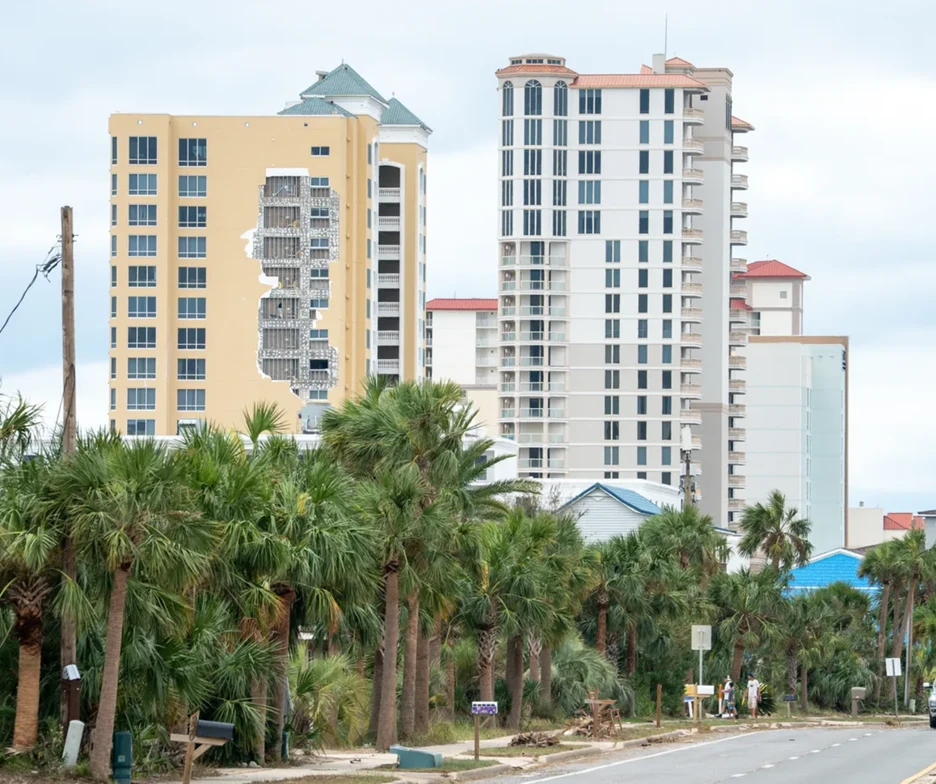
Hurricane losses frequently extend beyond the visibly damaged roof. Envelope breaches can produce extensive water intrusion, while damage to electrical service, communications, roads, and utilities can interrupt operations across an entire region.
Risk Logic's guidance on Hurricanes and Severe Windstorms notes that perimeter flashing is particularly important because flashing failure can lead to substantial roof-cover loss. Facilities in hurricane-prone regions should treat roof condition and envelope integrity as core property-loss-prevention issues rather than routine maintenance items.
Key loss-prevention measures include:
Verify roof assemblies are designed and secured for site-specific FM wind pressures.
Inspect roof edges, perimeter flashing, corners, membranes, fasteners, and previous repairs before hurricane season.
Anchor HVAC units, exhaust equipment, piping, vents, and other rooftop equipment for anticipated wind forces.
Protect doors, windows, dock doors, and other vulnerable building openings from wind pressure and debris.
Maintain roof drains and emergency drainage systems to reduce water accumulation.
Evaluate critical electrical and mechanical equipment for storm surge and flood exposure.
Maintain tested emergency power and fuel supplies where continued operation is essential.
Establish written hurricane response and business continuity plans, including post-storm roof and building inspections.
FM specifically recommends securing roofs, reinforcing openings, anchoring roof-mounted equipment, protecting critical utilities, and maintaining comprehensive windstorm and flood response plans.
Risk Logic Perspective: Hurricane and Windstorm Risk
Windstorm assessments should evaluate more than the basic design wind speed. Roof age and condition, deck attachment, flashing, roof-mounted equipment, wall construction, doors, windows, flood exposure, utility reliability, and previous modifications can materially change how a facility performs during a hurricane.
Pre-storm inspections provide an opportunity to identify loose flashing, aging roof components, inadequately secured equipment, vulnerable openings, clogged drainage, and other relatively manageable conditions before they contribute to a major loss. Risk Logic's Hurricane Season Readiness and Emergency Response Planning provides additional guidance for preparing facilities for wind, flooding, utility disruption, and business interruption.
Risk Logic engineers help facilities evaluate windstorm and flood exposures, roof systems, building envelopes, emergency preparedness, and business interruption vulnerabilities. Contact Risk Logic to discuss site-specific natural hazard loss prevention strategies.
Bottom Line: Hurricane Isaias reinforces that resilient roof systems, secure building envelopes, protected utilities, and effective emergency planning are essential to limiting commercial property damage and business interruption during severe windstorms.