Titanium Powder Fire Highlights Combustible Dust Risk Factors
A titanium powder fire at an industrial facility in Flower Mound, Texas, underscores the fire hazards of combustible metal dust and the necessity of proper ignition control, specialized extinguishing procedures, and automatic sprinkler protection.
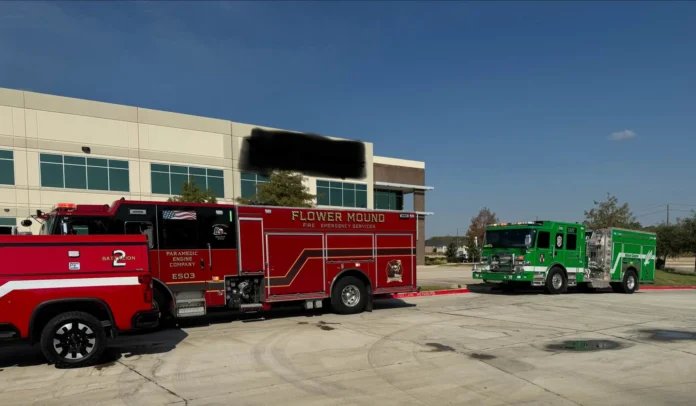
A titanium powder fire at an industrial facility in Flower Mound, Texas, highlights the specialized fire hazards associated with combustible metals and the importance of matching fire protection and emergency response procedures to the materials being handled. On September 17, 2026, firefighters responded shortly after 9 a.m. to an industrial building on International Parkway after titanium powder ignited during industrial work. The building had already been evacuated when crews arrived.
Because conventional extinguishing methods can be ineffective or hazardous when applied directly to combustible metal fires, firefighters removed the involved material from the building and smothered it with dirt. The Denton Fire Department hazardous materials team assisted with the response. Crews then ventilated the building, conducted air monitoring, and decontaminated personnel who had been inside. Initial reporting did not identify the specific ignition source or extent of property damage.
Incident Overview & Titanium Powder Fire Risks
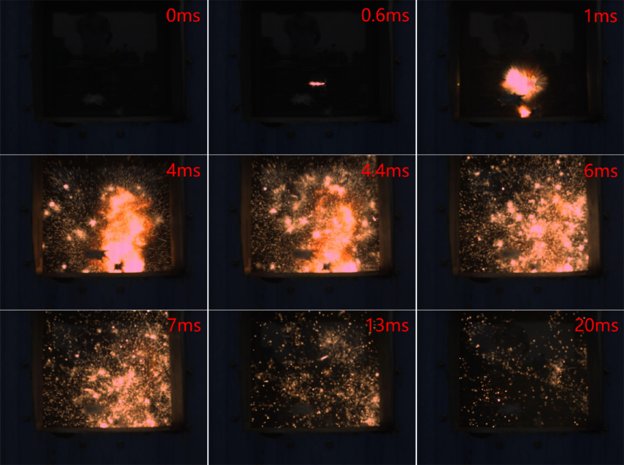
Titanium presents a much different fire hazard in finely divided form than it does as solid sheet, plate, or structural material. As particle size decreases, the surface-area-to-mass ratio increases, making metal powders more easily ignited and capable of burning with significantly greater intensity. NFPA guidance also recognizes that titanium powders can present both fire and dust explosion hazards, with static electricity among the potential ignition sources.
The exact ignition mechanism in the Flower Mound incident has not been publicly identified, so sparks, static discharge, friction, hot work, or other potential sources should not be assumed to have caused this fire. However, each should be evaluated wherever combustible metal powder is processed or handled.
NFPA 660, Standard for Combustible Dusts and Particulate Solids, now consolidates combustible-metal requirements previously contained in NFPA 484. FM Data Sheet 7-85, Combustible and Reactive Metals, provides property loss prevention guidance specifically addressing titanium and other combustible and reactive metals. Where metal powders can become suspended and create a deflagration hazard, FM DS 7-76, Combustible Dusts, also applies.
Property Loss & Insurance Implications
Combustible-metal fires can quickly expose surrounding equipment, building construction, utilities, and other combustibles to extreme heat. FM loss experience reviewed in DS 7-85 identified 21 titanium-related losses between 1996 and 2024, totaling approximately $382 million in gross loss when indexed to 2024 dollars.
A critical engineering consideration is that specialized extinguishing requirements for the burning metal do not automatically mean sprinkler protection should be omitted. FM recommends automatic sprinkler protection over metalworking process and storage areas to control incipient fires, prevent ignition of nearby combustibles, and cool the building and surrounding equipment. The response plan should separately identify compatible manual extinguishing agents and procedures for an actual combustible-metal fire.
Key loss prevention measures include:
Evaluate metal form, particle size, processing methods, and potential dust or explosion hazards.
Control ignition sources, including static electricity, electrical equipment, friction, sparks, and hot work.
Provide properly designed dust collection systems where finely divided metal is generated.
Segregate metal powders from ordinary combustibles and provide suitable noncombustible storage arrangements.
Maintain appropriate automatic sprinkler protection for surrounding building and occupancy hazards.
Provide compatible extinguishing agents specifically intended for the metals present.
Develop emergency response procedures with the local fire department before an incident occurs.
Risk Logic has additional guidance on metal dust explosions and combustible dust hazard analyses.
Risk Logic Perspective: Combustible Metal Fire Risk
Facilities handling titanium, magnesium, aluminum, or other combustible metals should not treat them as conventional noncombustible manufacturing materials. Property risk assessments should review the entire process, including receiving, storage, machining, powder collection, waste handling, ignition-source control, fire protection, and emergency response.
Routine inspections should verify housekeeping, dust collector condition, storage arrangements, sprinkler availability, compatible extinguishing equipment, and employee training. Changes in metal form, particle size, equipment, or production methods should also trigger a review of the applicable fire and explosion hazards.
Risk Logic engineers help facilities evaluate combustible-metal and dust hazards, assess fire protection systems, and develop practical loss prevention recommendations. Contact Risk Logic to discuss property risk engineering and combustible-metal exposures.
Bottom Line: Combustible metal powders require specialized hazard controls and emergency planning, but effective property protection must also prevent the metal fire from escalating into a larger building and business interruption loss.