Paper Mill Fire Risks Highlight Industrial Process Hazards and Business Interruption Exposure
Paper manufacturing facilities present complex fire protection challenges due to the combination of combustible raw materials, high-temperature operations, and interconnected production systems. We explore the property loss & insurance implications.
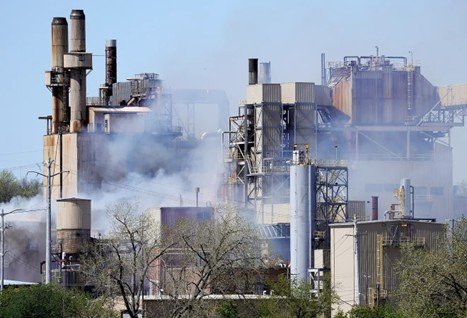 Large fire breaks out at Ahlstrom-Munskjo Thilmany Mill in Kaukauna.
On May 16, 2026, a fire at the Ahlstrom Thilmany paper mill in Kaukauna, Wisconsin triggered a significant emergency response as firefighters worked to contain flames within the industrial manufacturing facility. Multiple fire departments responded to the incident, with visible smoke reported throughout the area as suppression operations continued at the long-standing paper production site.
While no major injuries were initially reported, the event underscores the substantial fire and operational risks associated with paper manufacturing occupancies. Facilities handling combustible paper products, continuous production processes, industrial machinery, and extensive utility infrastructure face elevated exposure to both property loss and prolonged business interruption following fire events.
Incident Overview & Risk Factors
Paper manufacturing facilities present complex fire protection challenges due to the combination of combustible raw materials, high-temperature operations, and interconnected production systems. Common exposures within paper mills include large volumes of paper stock and pulp, conveyor systems, drying equipment, hydraulic systems, electrical infrastructure, and concealed dust accumulation areas.
Once ignition occurs, fires can spread rapidly through combustible materials and interconnected machinery. Industrial ventilation systems and expansive open production layouts may also accelerate smoke migration and fire extension throughout the facility. The Kaukauna incident demonstrates how fires in heavy industrial occupancies often require extensive suppression resources due to building size, process complexity, and difficult access conditions.
Operational challenges during suppression efforts frequently include restricted access around machinery, elevated temperatures from active processes, electrical hazards, and concealed hotspots within process equipment or utility spaces. Paper mills may also contain elevated production platforms, tunnels, and enclosed equipment areas that complicate firefighting operations and prolong overhaul activities. Even localized fires involving machinery can disrupt critical production systems and create significant operational downtime.
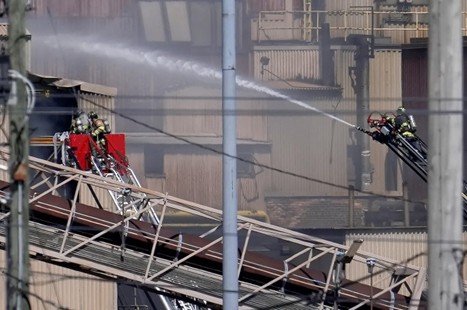 Kaukauna Fire Department, with support from multiple fire departments, on the scene of a fire at Ahlstrom-Munksjo Thilmany Mill on Saturday, May 16, 2026 in Kaukauna, Wis.
Property Loss & Insurance Implications
Although the full extent of damage remains under investigation, the fire is said to have started on a conveyor going into the mill. Fires involving paper manufacturing occupancies can generate substantial insured losses extending beyond direct fire damage. Production interruption exposure is often severe because paper mills typically operate continuously, making extended downtime costly due to interrupted manufacturing schedules and supply chain impacts.
Additional loss drivers may include damage to industrial processing machinery, motors, rollers, electrical systems, and drying equipment. Smoke contamination and water damage can also affect stored product, finished goods, and sensitive equipment in areas not directly impacted by flames.
From a property insurance and risk engineering standpoint, facilities with concentrated high-value industrial equipment require rigorous fire protection and maintenance programs aligned with NFPA and FM guidance. Relevant considerations may include:
Routine inspection and preventive maintenance of production equipment, conveyors, and electrical systems
Dust and combustible material housekeeping programs
Automatic sprinkler protection for process equipment and storage areas
Conveyor and machinery fire detection systems
Impairment management procedures during maintenance or shutdown activities
Business continuity and recovery planning for critical production operations
FM Global Data Sheet 7-11, Conveyors, and NFPA 13 standards for sprinkler protection provide important guidance for protecting industrial processing operations and combustible occupancies.
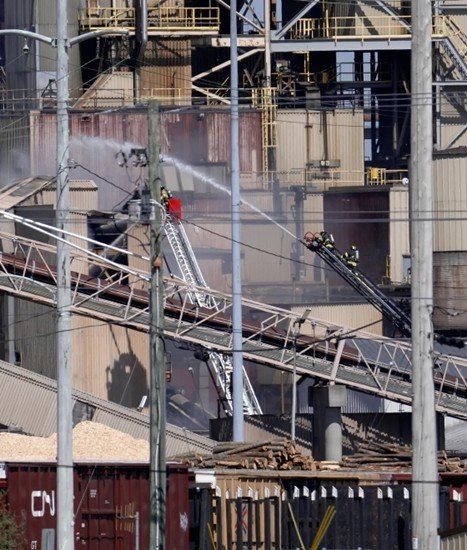 Firefighters deploy elevated master streams at the paper mill as crews work to contain the industrial fire within the sprawling manufacturing facility.
Risk Logic Perspective: Industrial Manufacturing Fire Risk
Industrial manufacturing facilities benefit from proactive engineering-based loss prevention strategies that address both ignition prevention and operational resilience. Continuous process operations require disciplined inspection programs focused on high-temperature equipment, bearings, motors, conveyors, hydraulic systems, and electrical distribution infrastructure.
Facilities handling combustible products should also evaluate housekeeping practices, hazards from concealed dust accumulation, and process-area fire-detection capabilities. Coordination among maintenance personnel, operations teams, and emergency responders remains critical to minimizing the potential for escalation during equipment-related fire events.
Risk assessments should specifically evaluate:
Critical production bottlenecks and single points of failure
Reliability of automatic sprinkler and suppression systems
Electrical preventive maintenance programs
Firewall and separation effectiveness between process areas
Emergency shutdown and impairment response procedures
Business interruption exposure from extended equipment replacement timelines
Contact Risk Logic engineers to help facilities identify industrial fire hazards and implement tailored property-loss prevention strategies to improve operational resilience and reduce business-interruption exposure.
Bottom Line
Industrial fires involving paper manufacturing operations highlight how combustible materials, continuous production systems, and specialized equipment can rapidly escalate property damage and business interruption exposure without robust fire protection and preventive maintenance programs.