York Ethanol Plant Explosion Highlights Grain Handling and Automatic Shutdown Risks
An explosion traveled through grain-handling equipment at a York, Nebraska, ethanol plant after an abnormal temperature increase. The incident highlights the importance of reliable shutdown systems and explosion isolation.
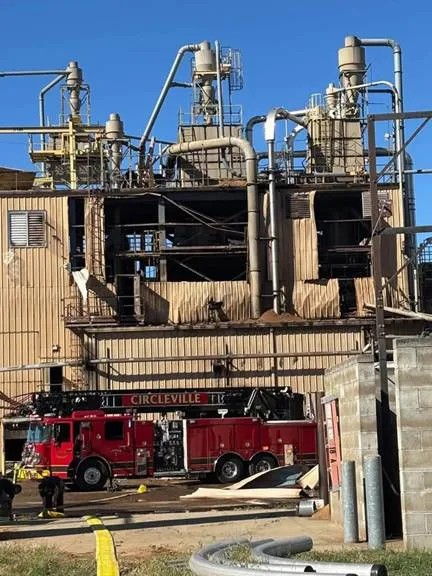
An explosion and fire involving the grain-handling system at an ethanol plant in York, Nebraska, on October 25, 2026, highlights the importance of equipment monitoring, automatic shutdowns, and explosion protection in grain-processing operations. The York ethanol plant explosion occurred Sunday morning, with firefighters dispatched at approximately 11:35 a.m. after smoke was observed coming from a baghouse. No injuries were reported.
York firefighters, assisted by the Waco Volunteer Fire Department, used the facility's water supply and defensive firefighting operations to contain the incident. Crews used an elevated master stream to cool secondary areas before advancing handlines across elevated walkways to extinguish burning bagging equipment and corn products. Plant personnel isolated the affected systems and disconnected power to the equipment.
York Ethanol Plant Explosion: Incident Overview & Grain Handling Risk Factors
Post-fire examination identified extensive damage near the bottom of a grain leg. According to the fire department, conditions were consistent with an explosion that traveled upward through the grain leg tubing. Burning material then reached the bagging system and ignited a secondary fire in the baghouse. The exact ignition source and underlying cause remain under investigation.
One of the most significant findings involved the equipment monitoring system. Facility data reportedly showed a temperature increase from 70.9°F at 10:30 a.m. to the system's maximum reading. The automatic shutdown reportedly did not activate, requiring plant personnel to stop the process manually.
Grain-handling systems can present combustible dust hazards within bucket elevators, conveyors, baghouses, dust collectors, and other enclosed equipment. FM Data Sheet 7-76, Combustible Dusts, specifically addresses grain-handling facilities, bucket elevators, conveyors, ignition-source control, equipment fire protection, and explosion protection.
Property Loss & Insurance Implications
The York incident shows how an abnormal condition in one component of a grain-handling system can affect interconnected equipment. Explosion pressure, flame, and burning material can travel through elevator legs, ducts, conveyors, and dust-handling systems, creating secondary fires or explosions away from the initiating equipment.
NFPA 660, Standard for Combustible Dusts and Particulate Solids, consolidates previous NFPA combustible dust standards and addresses agricultural and food-processing hazards. FM Data Sheet 7-17 also emphasizes explosion isolation as a means of preventing fire or explosion propagation into adjacent equipment.
Key loss-prevention measures include:
Conduct and periodically update a Dust Hazard Analysis for grain-handling and processing systems.
Provide temperature, belt-speed, bearing, alignment, and other appropriate monitoring on bucket elevators and conveyors.
Test automatic shutdowns, alarms, interlocks, and process controls at appropriate intervals to confirm they operate as intended.
Investigate abnormal temperature or equipment readings before continuing operation.
Inspect bearings, belts, drives, conveyors, and grain-leg components for friction, overheating, misalignment, and wear.
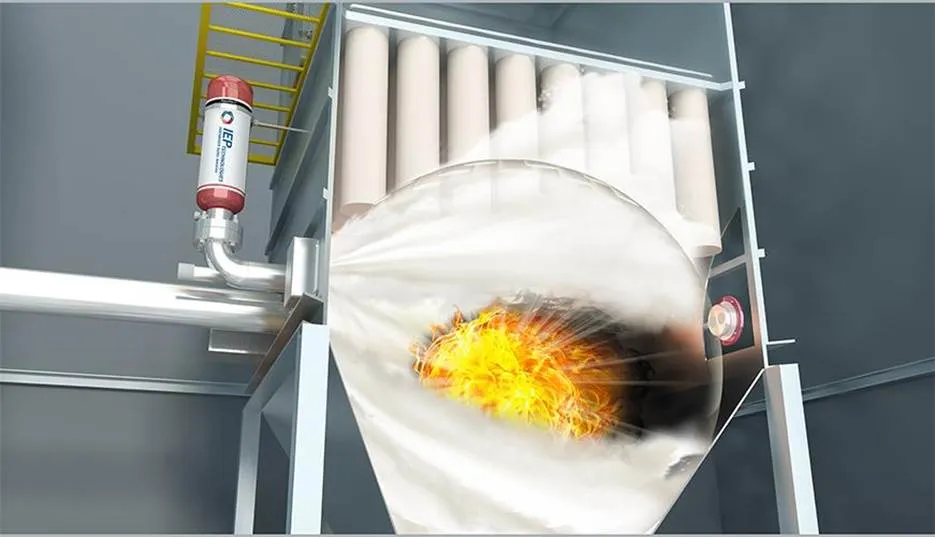
Provide appropriate explosion venting, suppression, or damage-limiting protection for enclosed equipment where a deflagration hazard exists.
Install explosion isolation where necessary to limit propagation between interconnected equipment.
Maintain dust collection systems and rigorous housekeeping to minimize accumulated combustible dust.
Maintain fire protection within equipment and surrounding production areas where required.
Risk Logic Perspective: Grain Handling and Explosion Protection
Automatic safeguards are valuable only when they operate reliably during an abnormal condition. Risk engineering evaluations should therefore examine not only whether temperature sensors, shutdowns, and interlocks are installed, but also how they are tested, maintained, documented, and responded to when readings move outside normal operating limits.
Grain legs and dust-handling systems also need to be evaluated as interconnected processes rather than individual pieces of equipment. An explosion originating in one component can propagate to downstream equipment unless appropriate isolation, venting, suppression, and fire protection are provided. FM notes that even relatively small dust accumulations can support explosion propagation within ducts and connected systems.
Read additional guidance in Explosion Protection Systems for Combustible Dusts. Risk Logic engineers help facilities evaluate combustible dust hazards, process safeguards, explosion protection, preventive maintenance, and fire protection programs. Contact Risk Logic to discuss facility-specific loss prevention strategies.
Bottom Line: Grain-handling systems require reliable equipment monitoring, tested automatic shutdowns, and effective explosion isolation because an abnormal condition in one component can escalate through interconnected processing equipment.