Modern Fire Protection Systems: Challenges, Innovations & Field-Tested Best Practices
A Risk Engineer’s Perspective on System Reliability and Evolving Hazards Even in 2025, fire protection system failures are among the leading contributors to catastrophic industrial losses. From...
A Risk Engineer’s Perspective on System Reliability and Evolving Hazards
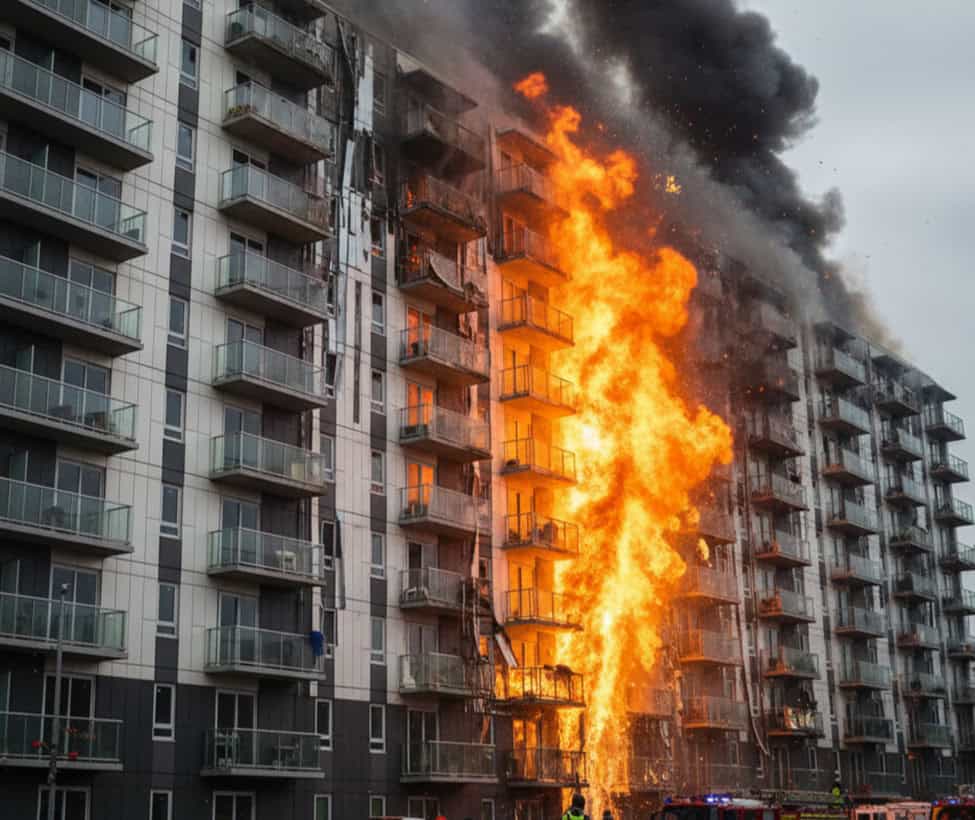
Even in 2025, fire protection system failures are among the leading contributors to catastrophic industrial losses. From closed valves and silent pump controller faults, to outdated suppression designs, these failures aren’t just hypothetical. They’re happening now, in real facilities, across warehouses, data centers, and energy storage sites. The financial ramifications extend beyond direct property damage, encompassing significant business interruption, supply chain disruptions, and long-term reputational harm.
As industrial hazards continue their rapid evolution in both complexity and intensity, conventional fire protection strategies often find themselves struggling to keep pace. The net result? A sharp increase in exposure, leading to insured losses that skyrocket into multi-million-dollar figures. What's frustrating is that more robust protection designs and diligent oversight could have prevented or mitigated most of these losses.
At Risk Logic Inc., we’ve seen firsthand how even well-intentioned, seemingly compliant systems can fall critically short under the harsh reality of real-world fire conditions. This article pulls back the curtain, sharing a risk engineer’s direct perspective on the common, persistent reasons modern fire protection systems fail. We will lay out proven, field-tested best practices designed to substantially reduce fire risk in your high-value industrial occupancies. We forge our insights from extensive on-site surveys and loss investigations across a truly diverse range of industries.
1. The Most Common Fire Protection System Failures (And Why They Still Happen)
It's a common misconception that simply meeting minimum code requirements guarantees robust risk resilience. From an engineer's viewpoint, code compliance is a baseline, not a ceiling. What we repeatedly observe is that many systems don't fail due to inherent flaws in their design documents. But rather from critical lapses in execution, lack of quality maintenance, or a fundamental misunderstanding of the actual hazard profiles within a facility. This persistent gap between design intent and operational reality is, frankly, a primary driver of the preventable losses we encounter.
Top Failure Points We See in the Field:
1.1. Impaired Systems That Go Unnoticed
- Closed control valves are, without question, one of the most common and devastating causes of fire sprinkler system failure. Whether it's a simple human error during maintenance, a slip in return-to-service protocols, or even a subtle mechanical failure, a closed valve effectively renders an entire section, or even the whole system, useless when you need it most. NFPA 25, Standard for the Inspection, Testing, and Maintenance of Water-Based Fire Protection Systems, explicitly outlines requirements for valve supervision and impairment procedures, yet these are frequently overlooked.
- Undetected fire pump issues—ranging from blinking red indicator lights and silent annunciator faults to wear, misalignment or lack of lubrication of mechanical parts—can persist for weeks or months if not properly monitored and addressed. These issues often go unnoticed until a demand scenario exposes the critical flaw.
- Alarm communication failures, especially prevalent in aging facilities or during network transitions, leave crucial detection and notification systems effectively blind. A fire alarm system is only as effective as its ability to communicate promptly to facility occupants and emergency responders.
1.2. Inadequate Protection for Modern Hazards
- Today’s high-piled storage and automated storage and retrieval systems (ASRS) facilities demand a far more robust sprinkler design than older, legacy systems were ever conceived to deliver. The sheer fuel load density and the potential for incredibly rapid fire spread in these environments necessitate specialized designs, often requiring granular reference toFM Data Sheets (e.g., DS 8-9 for storage) or NFPA 13, Standard for the Installation of Sprinkler Systems, annex material for specific commodities and storage arrangements.
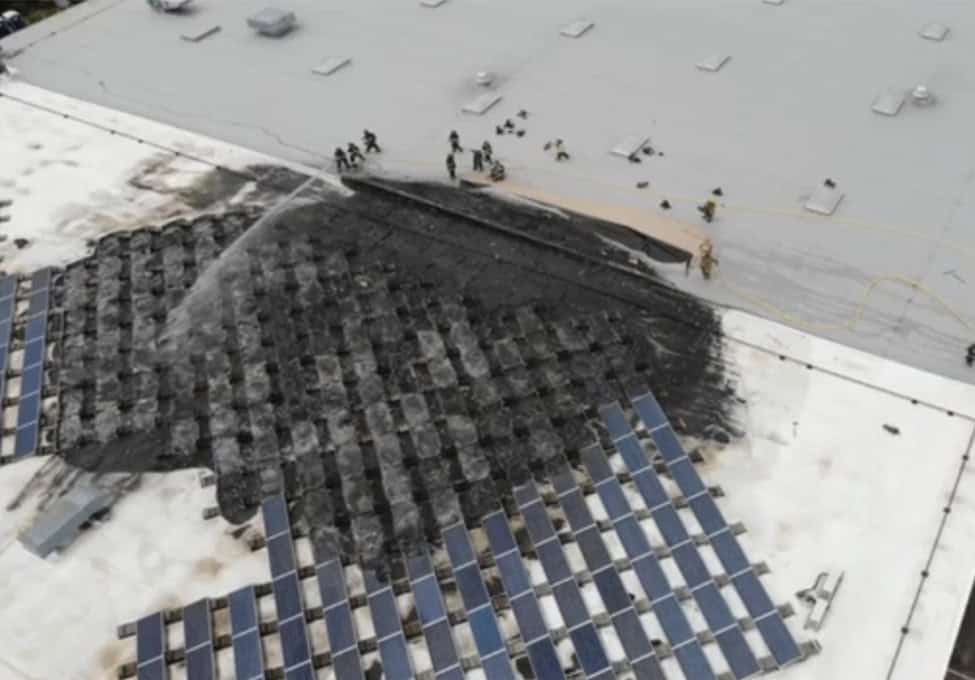
- Battery energy storage systems (BESS) and large-scale lithium-ion battery storage areas introduce unique and complex fire dynamics, including the potential for thermal runaway and self-sustaining fires. Specialized extinguishing agents and innovative application methods, often incorporating gas detection and targeted suppression, are critical here. For a deeper dive, you might find our article on Property Loss Control for Lithium-Ion Energy Storage Systems insightful.
1.3. Poor Maintenance and Testing Practices
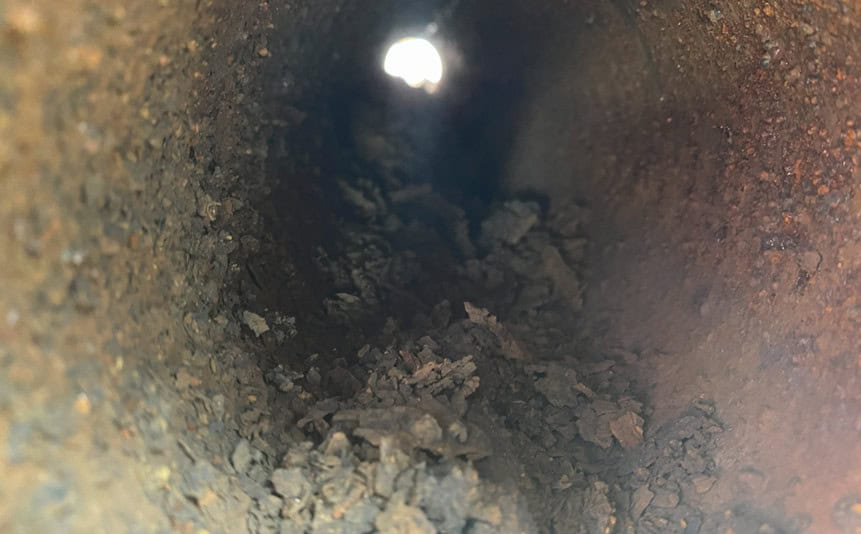
- Missing or inadequate inspections allow systemic issues such as internal pipe corrosion, physical obstructions (e.g., foreign debris, scale), and mechanical failures of components (e.g., check valves, pressure reducing valves) to progress unchecked.
- Too often, systems are merely tested to the absolute minimum requirements of the locally adopted NFPA 25 edition. This "check the box" mentality frequently misses deeper, hidden vulnerabilities that a more rigorous, performance-based test would reveal. At times, if the authority having jurisdiction isn’t lookingΓêÆit’s not getting done at all.
2. The Evolving Risk Landscape: Why Systems Are Underperforming
Today's fire protection systems are facing unprecedented demands in increasingly complex environments. Let's be clear: industrial buildings today bear little resemblance to those of a decade ago. The fundamental risk profile has shifted dramatically, yet many installed systems—and even some prevailing building codes—have struggled to keep pace with these accelerating changes. This disparity, this "protection gap," is where significant vulnerability arises.
What’s Changed in 2025:
- Storage heights are increasing: New logistics and distribution centers routinely feature storage heights of 40 feet or more, a stark contrast to historical norms even a few years ago. This isn't just a slight increase; it necessitates significantly more aggressive fire sprinkler designs, often demanding Early Suppression Fast Response (ESFR) sprinklers, strategic in-rack sprinklers, and much larger discharge densities to control fires involving these high-challenge commodities.
- Battery storage is booming: The rapid proliferation of BESS, particularly those utilizing lithium-ion technology, introduces unique and intense fire hazards. Specialized detection (e.g., gas detection, thermal imaging) and highly engineered suppression approaches (e.g., targeted clean agents, foam-water systems, or advanced water mist) are becoming absolutely paramount.
- Critical infrastructure uptime demands: Facilities such as data centers, advanced manufacturing lines, and pharmaceutical production sites operate under stringent uptime requirements. Any disruption, especially from a fire event, can result in catastrophic financial losses and long-term business interruption This reality elevates the stakes for suppression system reliability immensely, and places a premium on highly reliable, redundant systems with minimal potential for false alarms or inadvertent discharges. For further reading, see our article on Lessons from the North Hayes Substation Fire.
At Risk Logic Inc., we emphasize understanding fire protection as a dynamic system—not merely a static asset checked off during commissioning. Frankly, if you’re still relying on a 2005-era design to protect a 2025 hazard profile, you’re not just accepting risk; you're actively gambling with business continuity. A proactive, intelligent approach to risk assessment isn't just important; it's essential for survival.
3. Innovations in Fire Protection: What’s Actually Working
While the evolving risk landscape certainly presents significant challenges, the news isn't all grim. There are genuinely practical, field-proven innovations that are dramatically enhancing the reliability, responsiveness, and sheer intelligence of fire protection systems. Here’s a look at what we're seeing succeed in real-world applications, moving beyond theoretical concepts to deliver tangible, measurable improvements:
Smart Monitoring & System Health Sensors
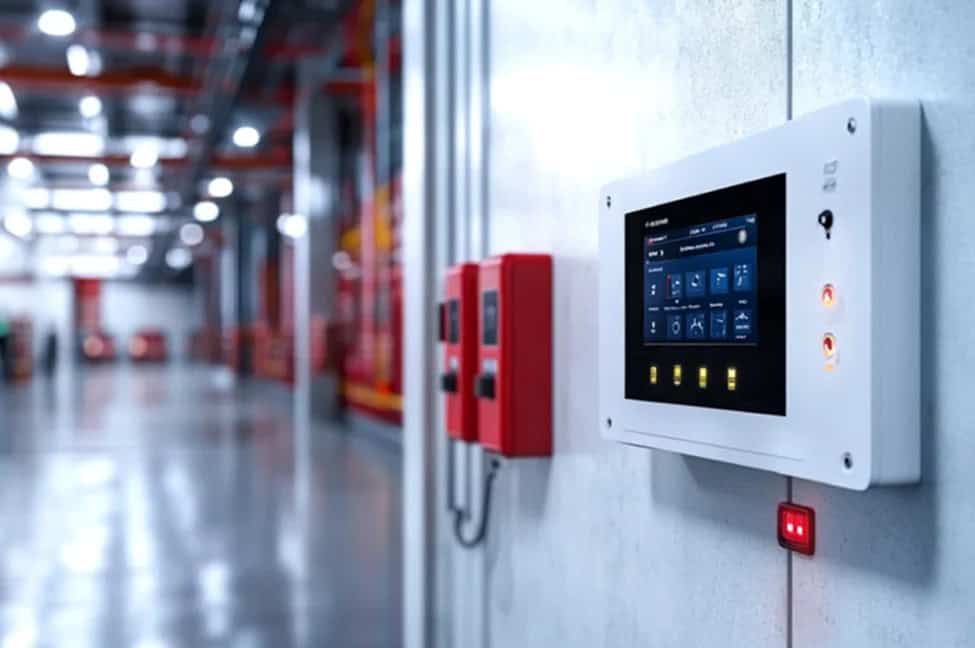
- Remote valve supervision via dedicated cellular networks offers continuous visibility, independent of a facility’s internal Wi-Fi or IT infrastructure. This ensures that even during power outages or network disruptions, critical control valve status (open/closed) is continuously transmitted, providing immediate alerts for impairments. This technology significantly reduces the risk of undetected closed valves, a leading cause of sprinkler system failures.
- Integrated flow switches, waterflow meters, and supervisory switches can now be seamlessly integrated into facility-wide Building Management Systems (BMS) or specialized fire protection dashboards. This provides a holistic view of system status, enabling facility managers and risk professionals to monitor system health and detect anomalies proactively.
Improved Testing Protocols
- Weekly/monthly churn tests for fire pumps are significantly more effective when coupled with net pressure logging and other visual cues. Consistent data capture and analysis enable early identification of issues such as impeller wear or valve malfunctions.
- Acoustic monitoring is an emerging technology for detecting internal pipe blockages and integrity issues. By analyzing how sound waves propagate through the piping network, experienced technicians can identify areas of significant sediment buildup, partial obstructions, or even compromised pipe integrity that might not be visible externally or detected by conventional flow tests. This is a non-invasive game-changer for older systems.
Alternative Suppression Agents
- In BESS facilities and other mission-critical environments where water as a primary means of protection may be insufficient or damaging, we advise clients on the correct application of specialized agents:
- Clean agent systems (e.g., Novec 1230, FM-200) are ideal for protecting high-value assets and sensitive equipment. They suppress fires through chemical and/or physical mechanisms without leaving residue, minimizing downtime and cleanup. These are often applied in data centers, control rooms, and archives.
- Water mist systems can be highly effective in certain applications, offering localized cooling and oxygen displacement with significantly less water usage than traditional sprinklers. They are particularly well-suited for sensitive electronics, machinery spaces, and in situations where water damage mitigation is a primary concern.
- Specialized foam systems may be appropriate for certain flammable liquid hazards or in conjunction with water for BESS applications where cooling and encapsulation are critical for fire control.
Digitally Driven Risk Management
- Facility teams are increasingly embracing QR-coded inspection systems. These digital platforms ensure that each valve, gauge, or controller is physically checked during walkdowns . Technicians scan a QR code to pull up the component's history, inspection checklist, and allow for real-time data input, including time-stamped photos.
- Digital twins are emerging as a powerful tool for simulating fire events and validating suppression system response in critical facilities. Companies like Siemens and Dassault Systèmes are developing platforms where a virtual replica of a facility allows engineers to run complex fire scenarios, analyze smoke propagation, evaluate sprinkler activation patterns, and fine-tune suppression strategies without risking actual assets.
4. Field-Tested Best Practices for Reliable Fire Protection
Based on decades of on-site experience, thousands of facility surveys, and loss investigations, here’s what we know works—consistently and effectively—regardless of facility type, industry sector, or geographic region. These are the risk engineering best practices that distinguish resilient operations from those vulnerable to catastrophic fire loss.
Best Practice #1: Don’t Just Test—Validate
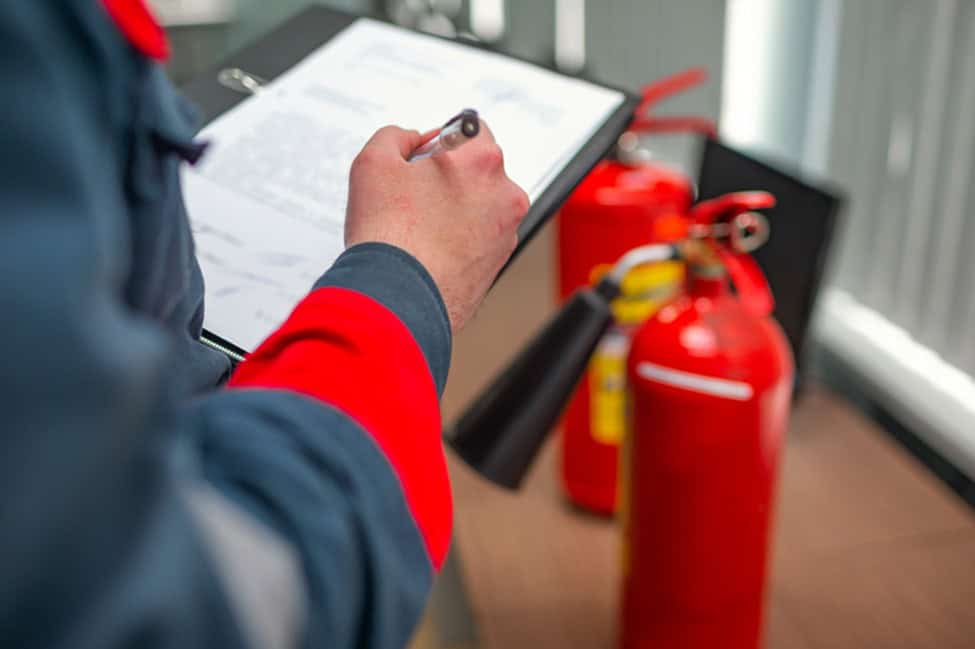
Move beyond simply meeting the minimum testing requirements outlined in NFPA 25, Standard for the Inspection, Testing, and Maintenance of Water-Based Fire Protection Systems. True validation confirms that your fire protection system will perform as designed under the most demanding conditions.
Best Practice #2: Watch the Data Trends
If you’re logging fire pump pressures, flow test results, valve status, or alarm events on a quarterly or annual basis—but never reviewing these historical trends—you’re missing a critical opportunity for proactive maintenance.
Best Practice #3: Train Staff Like a Fire Marshal Would
A properly trained and engaged facility team is your absolute first line of defense against fire protection system failures. The most sophisticated system is useless without competent personnel to maintain and operate it.
Best Practice #4: Design with Future Hazards in Mind
A critical aspect of long-term property loss prevention is designing fire protection systems not just for the current operational load, but for anticipated operational shifts and future hazard profiles. This foresight can prevent costly retrofits and enhance long-term resilience.
Best Practice #5: Document Everything Digitally
The days of filing away paper inspection tags or relying on binders for critical system documentation are over. Comprehensive, accessible documentation is a cornerstone of effective risk management.

5. Why It Matters: The Insurance & Business Continuity Perspective
From an insurance loss control standpoint, fire protection system failure is unequivocally a leading cause of large property losses. This often occurs in facilities that insurers previously considered "well-protected" on paper. Insurers, particularly those specializing in commercial and industrial property, understand that a system’s mere presence does not guarantee protection. They are increasingly scrutinizing the operational integrity and maintenance rigor of these critical safeguards.
When top-tier insurers evaluate facilities for property insurance coverage, they're not just looking for sprinklers on a blueprint. Their loss control engineers are conducting in-depth analyses, asking critical questions such as:
- How is the fire protection system supervised?
- How are fire system impairments managed, both planned and unplanned? What other steps are taken to minimize risk during the period when fire protection systems are partially or fully out of service?
- How do you currently analyze the consistency of your fire protection system's performance over time, and what methods are in place to uncover any hidden deficiencies through trend analysis?
- Could you describe the redundancy measures implemented for critical water supplies or alternate suppression types, particularly in your high-hazard areas, and how these ensure continuous protection?
- In what ways are your emergency response plans developed and regularly drilled, and how are these plans specifically integrated with your fire protection system capabilities to ensure a coordinated and effective response?
Facilities that proactively address these concerns benefit from more than just lower insurance premiums.
They do this by implementing robust inspection, testing, and maintenance programs. In addition, they engage experienced risk engineers and foster a culture of loss prevention. This also helps them achieve significantly improved risk scores. This leads to smoother and faster underwriting approvals. Most importantly, it means enhanced business continuity during real-world fire emergencies. This translates directly to a stronger competitive position, and greater resilience in the face of unforeseen events. For more on this topic, refer to our article on Human Factors and Commercial Risk Engineering.

A Smarter, Safer Path Forward
Fire protection system failures are rarely the result of one single, catastrophic event. They are often the cumulative product of many small oversights. This includes deferred maintenance and a slow degradation of vigilance that occurs over several years. At Risk Logic Inc., our core mission is clear. We identify and uncover vulnerabilities long before they escalate into devastating financial and operational losses for your business.
In 2025 and beyond, reliable industrial fire protection isn't simply about meeting minimum regulatory compliance. It is fundamentally about building resilience. This means a commitment to smarter system design. It also means maintaining your systems with uncompromising rigor. You also need to stay ahead of new risks your operation may not even recognize yet. Modern industrial hazards are dynamic. This demands more than a proactive approach. It requires an intelligent, informed, and truly adaptive strategy for property loss prevention.
Your facility's operation, profitability, and future depend on your fire protection systems. You should therefore do more than meet the minimum requirements. Ask sharper, more probing questions. Run tougher, more realistic tests. And, most critically, partner with experienced risk engineering consultants. They've spent years in the field and have seen what works and what doesn't. They've learned from hundreds of diverse, real-world industrial scenarios.
Want a fire protection reliability review at your site?
Contact Risk Logic Inc. to schedule a comprehensive survey or technical consultation with one of our experienced engineers.
Read more in: